Switching to a convection oven will completely change your kitchen habits. The cooking time is faster. Heat is distributed more evenly. All sides of the food brown better. In some cases, they can even lock in more nutrients. However, there is a catch here. You can’t just switch your standard recipes to this new oven and expect the same results.
A convection oven are equipped with a fan. This is not the case with ordinary ovens. The fan circulates hot air around the food. This is a small mechanical difference. It makes a big difference in how the heat interacts with the food.
Why recipes fail if you don’t tweak them
Most recipes found online or in books are written for traditional ovens. They assume the air is calm. The situation changes when forced ventilation is introduced. Food cooks faster. It’s much faster.
If you follow the time and temperature of the recipe exactly, you can leave it raw on the inside and burnt on the outside. Even worse, it will dry out your perfect roast. You have to adapt. Adjustment is easy. Usually you need to lower the temperature or reduce the cooking time.
How to Adapt Your Baking
There are general rules. Suitable for most dishes. At least one variable must be adjusted. We usually do both.
Lower the temperature
The most common solution is to dropping the heat. Many chefs recommend lowering the temperature to 25°F (about 15°C). If the recipe calls for 350°F, try 325°F. This gives the inside time to cook before the outside burns.
Reduce the Time
Lowering the temperature is not always enough. In general, the time also needs to be shortened. Start checking your food early. Check the 25% mark. If you bake for 60 minutes, look at the oven at 45 minutes. Use a meat thermometer to measure the meat. Check the doneness of the cake by inserting a toothpick into it.
Which Foods Benefit Most?
Not everything requires such adjustments. Delicate doughs can be sensitive to draft. May rise unevenly. But roasts? They like convection. Dry heat makes the skin crispy. It seals in juices. Vegetables caramelize faster. cookies and pastries also brown better.
Convection Oven Cooking Time Chart
Here’s a quick guide to common adjustments: Use this as a starting point. Be very careful with food.
| Cooker type | Normal temperature | Circulation temperature | Time setting |
|---|---|---|---|
| Roasts (Meat) | 325°F to 350°F | 325°F to 350°F | Reduce by 25% |
| Baked Goods | 350°F | 325°F | Reduce by 25% |
| Casseroles | 350°F | 325°F | Reduce by 25% |
| Vegetables | 400°F | 375°F | Reduce by 25% |
Safety first
Hot air moves very quickly. You might get burned if you’re not careful. Remember to use oven mitts. Open the door slowly to allow the steam to escape. Keep flammable materials away from the oven. Note that the fan is always running
Three rules for convective transformation
Ovens vary. They always are. However, the transition from conventional baking to convection baking is usually done in three easy steps. It can lower fever. It can save you time. Or you can do a bit of both.
This is the breakdown.
First calculate the temperature 25°F. The temperature is about 15 degrees. This is the most common adjustment.
Next, reduce the cooking time by 25%. Air movement speeds up cooking. The less time it takes to bake in the oven, the less likely dinner will be dry.
Third, distinguish the difference. Lower the temperature and time slightly. Maybe 10 degrees 10%. Depends on the food.
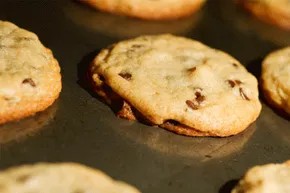
Get a cookie. The recipe says 350 degrees F 12 minutes *. There are several options for convection ovens.
Keep at 350°F and bake for 9-10 minutes.
* Reduce to 325°F for 12 minutes.
*Aim for 340°F for about 11 minutes**.
Small adjustments matter. Cookies take less time than baking. Turkey needs more.
Pay attention to the food
Set it and forget it. still.
Check your food 5-10 minutes before the timer hits zero. You are used to the oven. I learned their personalities. Relying too much on the clock can lead to overcooking.
Use the conversion table as a guide. It’s not a rule. These are just examples. Your recipe belongs to the boss.
Trial and error is part of the process
I’m trying to change ovens. I think so. You make mistakes. The edges may burn. You can leave the center indifferent.
This is a learning curve.
“Maybe the official Thanksgiving turkey isn’t the staple of the first convection run.”
Don’t take the risk of eating a big meal on the first day. Start small. cookie. toast. grilled vegetables.
Find that sweet spot. Cook your food to perfection without having to wander around the oven door.
Then you will no longer have problems with damaged dishes. The results are worth it. air circulation. Even the heat. The food looks better.
But before that? You’re flying blind. to a large extent.
There is a diagram. Online forum. Manufacturer’s instructions. But nothing can replace seeing the food with your own eyes.
Check the situation again. Keep adjusting. There you have it, perfect convection baking.