August feels like the end, doesn’t it? The heat hangs heavy. But in the soil, a different season is beginning to stir.
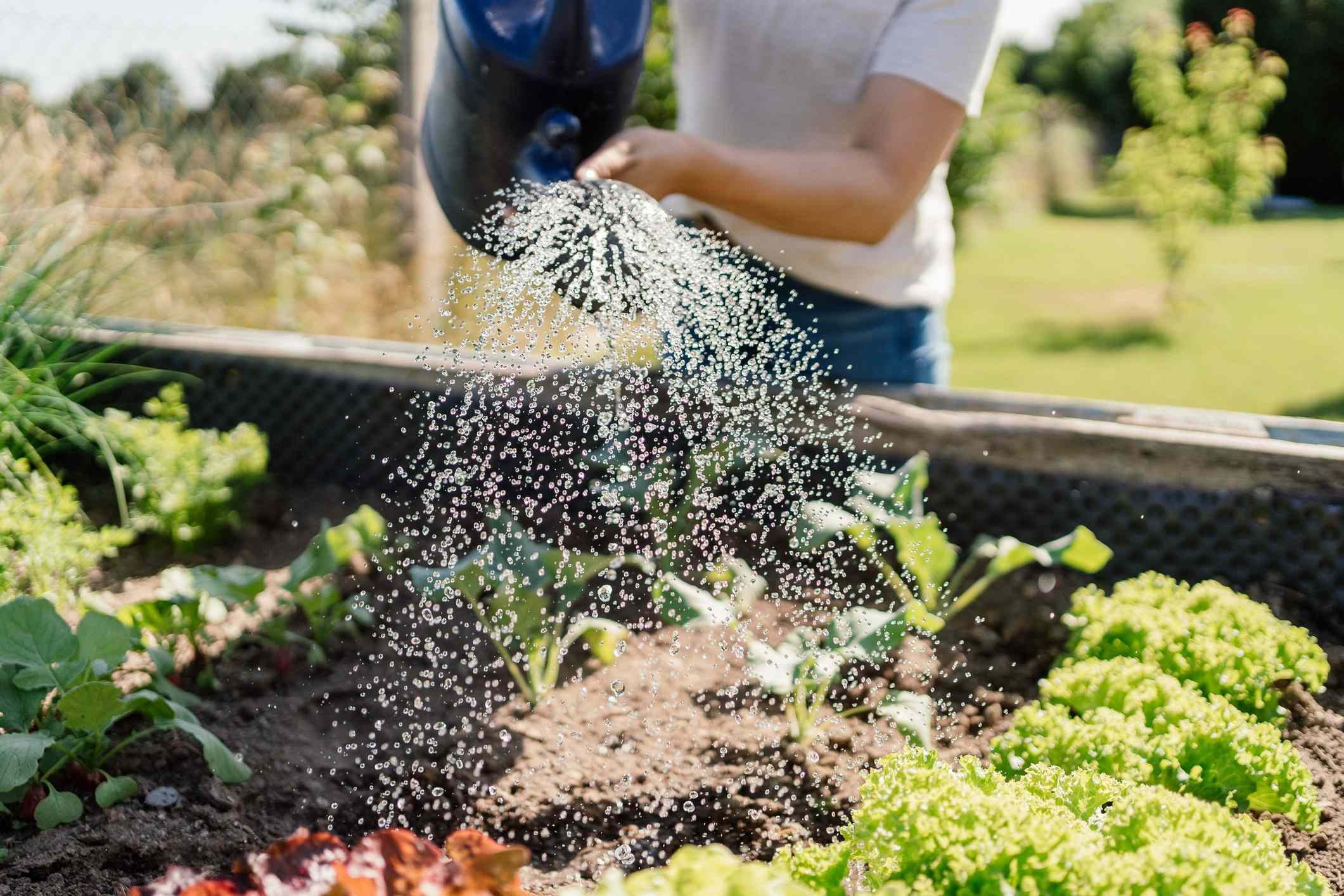
Most gardeners think fall planting belongs to spring. They wait for warmth and rain. But if you want a table loaded with fresh veggies in October or November, you need to act now. Some crops thrive in the late-summer heat while others just need a head start before the freeze.
Here is what you need to plant in August to guarantee a fall harvest.
Know your clock before you sow
Do not just throw seeds in the ground. Not yet.
First, look at your seed packet. Check the days to maturity. A carrot might take 75 days. A radish? Maybe 30. Next, find your local first frost date. This is non-negotiable. Count backward from that date. If today plus the days to maturity lands after the frost, you are too late. Or, you are choosing the wrong crop.
We pulled advice from pros on the ground to get this right. Celina DeBrito at Pippin Hill Farm. Anna Hackman at The Naked Botanical. Sara Rubens from Seed to Sanctuary. Plus, Lucie Bradley from Easy Garden Irrigation. These are the people actually growing things, not just theorizing about them.
Here are the 10 best vegetables to plant in August for a fall harvest.
01 Carrots
Carrots are the classic August starter. DeBrito swears by them. They take roughly 75 days from seed to digging time.
Why plant now? Cold weather. Carrots convert starch into sugar when temperatures drop. This is their defense mechanism. For you, it means a significantly sweeter carrot in October.
The catch? Moisture. Dry spells will stunt the roots. Keep the soil evenly moist from day one.
Plant in loose, well-draining soil. If your dirt is clay-heavy, amend it with compost or manure. That helps drainage and nutrients. They need full sun to partial shade.
- Zones: 3–10
- Spacing: 1 to 3 inches
- Soil: Loose, well-drained
02 Snap Peas
Forget the slow, flimsy varieties of the past. Anna Hackman stopped planting regular peas years ago. Why? Wind and cold ruined them before they could flower.
She switched to Sugar Ann Dwarf snap peas. Fast growers. About 52 days to harvest.
These are for cooler climates, or gardens where you can protect them. Plant them at least eight weeks before the first frost. They handle full sun or partial shade well.
- Zones: 3–11
- Spacing: 1 to 1.5 inches
- Soil: Loamy, moist, well-drained
03 Kale
Kale does not just survive the cold. It welcomes it.
Sara Rubens calls it an ideal late-season green. But here is the secret: plant in late July or August. The soil is still warm. Seeds germinate quickly. Roots establish deep before the real chill hits.
Once established, kale is tough. It survives light frosts with ease.
- Zones: 7–9
- Spacing: 12 to 24 inches
- Soil: Loamy, moist
- Sun: Full sun or partial shade
04 Broccoli
You can start broccoli indoors or sow it directly. Lucie Bradley prefers direct sowing. It saves the trouble of transplanting shock.
Broccoli needs cool weather to form those tight heads. Start in a sheltered spot. The soil should be rich, sandy, and slightly acidic to neutral. Test your soil first. Amending before planting is better than trying to fix it later.
If you start indoors, wait until it has two to four true leaves before moving it out.
- Zones: 3–10
- Spacing: 18 to 24 inches
- Soil: Rich, sandy
- Sun: Full sun
05 Beets
DeBrito notes beets as a solid August pick. They need 60 to 75 days.
Like carrots, beets get sweeter when the temperature drops. They are forgiving. They handle a range of conditions. Just keep the soil loamy and moist.
They are tolerant of full sun to partial shade. That flexibility is nice in late summer when the sun beats down but nights cool off quickly.
- Zones: 2–11
- Spacing: 2 to 6 inches
- Soil: Loamy, moist
06 Radishes
Need results fast? Radishes are ready in about 30 days.
Plant them in late August if you want a quick turnover. They thrive in cooler weather. The heat of August can actually be tricky if not managed, so water well.
Give them an inch of water a week. Ensure the soil is loamy and sandy for good drainage. Full sun is best. If they bolt (go to seed) too fast, it’s usually heat stress or lack of water.
- Zones: 2–10
- Spacing: 1 to 3 inches
- Soil: Loamy, sandy
- Sun: Full sun
07 Swiss Chard
Chard is low-maintenance. It is ready to harvest in as little as the four-week mark.
Bradley points out that young leaves are the tenderest and most flavorful. If your chard tastes bitter, you underwatered it. Consistent moisture keeps the leaves mild and sweet.
It tolerates light frost. If a hard freeze looks imminent, throw some garden fleece or cloches over the bed. That simple step can save your greens.
- Zones: 3–10
- Spacing: 12 to 15 inches
- Soil: Loamy, rich
- Sun: Full sun or partial shade
08 Turnips
Turnips mirror radishes. Fast. Cold-hardy. Ready in 30 days.
DeBrito warns about heat waves here. These crops are sensitive. If the heat spikes, they might bolt or develop poorly. Shade cloth helps during those intense August afternoons.
They like full sun once the heat breaks.
- Zones: 2–9
- Spacing: 2 to 6 inches
- Soil: Loamy, sandy
- Sun: Full sun
09 Cornflowers
Not a vegetable, but edible. DeBrito recommends planting cornflowers (bachelor buttons) in August.
They can overwinter. Meaning, you plant them now, they go dormant, and they bloom in spring. If you want edible petals for salads later, this is a two-for-one play.
They like full sun to partial shade and moist, well-drained soil.
- Zones: 2–11
- Spacing: 6 to 12 inches
- Soil: Moist, well-drained
- Sun: Full sun or partial shade
10 Kohlrabi
Kohlrabi loves cool temperatures. Bradley suggests it is a prime August sowing.
You can start it in containers. But it needs frequent watering and care. If you are lazy, maybe skip it. If you are attentive, plant it in the ground or raised beds. It grows well in well-draining, rich soil.
It requires full sun. Keep the spacing wide enough—up to 12 inches for larger varieties.
- Zones: 3–10
- Spacing: 1 to 12 inches
- Soil: Well-draining, rich
- Sun: Full sun
The ground is still warm. Use it.
These crops are not waiting for permission. They are waiting for you to check the calendar. Calculate the frost date. Pick the right seed. Get it in the dirt.
There is time. But not much.