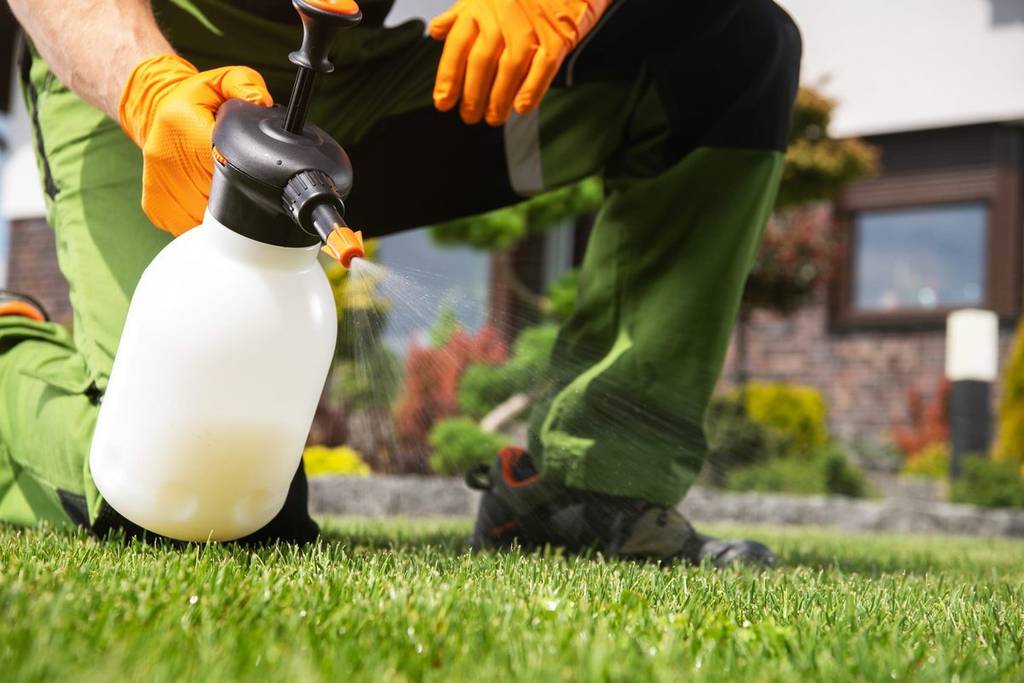
Let’s be honest. When you’re staring down a cracked patio slab colonized by stubborn dandelions and creeping thyme, efficiency often trumps ecology. Pouring bleach (eau de Javel in France, sodium hypochlorite elsewhere) on weeds seems like the logical, high-powered fix. It’s in your cupboard. It’s cheap. It kills bacteria, so why not plants?
It’s tempting. But it’s also a mistake that can ruin your soil and harm your health.
The idea of using bleach to de-weed paths and terraces looks good on paper. In practice, it’s aggressive chemistry disguised as gardening. You aren’t just killing the weed. You are altering the chemical landscape of your entire outdoor space. Before you grab that bottle, you need to understand what actually happens when sodium hypochlorite meets organic matter. And more importantly, what it leaves behind.
The Short-Term Fix vs. Long-Term Damage
Bleach works by oxidizing organic material. It breaks down cell walls. That’s why it’s great for mold. It’s equally effective at shredding the delicate tissues of broadleaf weeds. The result? Brown, crispy vegetation within hours.
“Bleach kills indiscriminately. It targets the plant, but it doesn’t stop returning.”
This is the first trap. Bleach is a contact herbicide, but unlike commercial options, it doesn’t offer residual control. The weed dies. The roots remain intact. Within weeks, if conditions are right, those roots will push up new growth. You are playing a whack-a-mole game with toxic chemicals.
But the real cost isn’t the regrowth. It’s the collateral damage.
Why Bleach is Bad for Your Soil Health
Gardening is about biology. Healthy soil is a living ecosystem teeming with bacteria, fungi, earthworms, and microscopic life. Bleach is a biocide. It is designed to kill life.
When you pour bleach into cracks between pavers or onto the edges of your lawn, it doesn’t stay contained. Rain washes it into the surrounding soil. It destroys the beneficial microbes that help break down organic matter and make nutrients available to plants. You are sterilizing your ground.
This doesn’t mean nothing will ever grow there again. Nature is resilient. But it means you have created a hostile environment. It takes time for microbial populations to recover. In that gap, your soil becomes less fertile, less structured, and more prone to erosion.
If you care about what grows around your weeds, bleach is a poor choice. It has no selectivity. It doesn’t know the difference between a weed and a flower bed. Runoff can travel. Wind can carry droplets. One careless pour can wipe out the plants you actually want.
The Health Risks You Can’t See
You’re wearing gloves. You’re thinking you’re safe. But sodium hypochlorite vapors are harsh. Mixing bleach with other common garden products, especially acids or ammonia-based cleaners, creates toxic gas. Chloramine gas. Chlorine gas. Both can cause severe respiratory distress.
Even without mixing, the fumes irritate eyes, skin, and lungs. If you have asthma, or if family members do, keeping
You grab the bottle. It’s in the cabinet under the sink next to the dish soap. It seems logical, right? If it kills bacteria on your countertops, it should kill the dandelions in your driveway.
It doesn’t work that way.
While sodium hypochlorite (the active ingredient in household bleach) is a powerful oxidizer, using it as a weed killer is a mistake that hurts your soil, your groundwater, and potentially your health. It is not a herbicide. It is a disinfectant. And applying it to your garden creates problems that last long after the weeds turn brown.
The illusion of control
Here is the reality of spraying bleach on vegetation.
The plant leaves will burn. They will yellow, collapse, and die. It looks like victory. But this is a surface-level victory. The chemical does not penetrate deep enough to kill the root system. Perennials like bindweed or thistle store energy in their roots. When the foliage dies, the plant resets. It pushes new growth within weeks.
You have wasted time. You have damaged your soil. And the weeds remain.
“Bleach is non-selective. It does not distinguish between the weed you hate and the rose bush you love.”
Spray drift is a real risk. A gust of wind carries microscopic droplets onto neighboring plants. Flower beds turn brown. Lawn grass suffers. You end up killing more than you intended because bleach has no mechanism to target specific weed species. It attacks all plant tissue it touches.
Soil contamination and chemical residue
The damage goes deeper than the leaves.
When bleach hits the ground, it alters the pH balance rapidly. It creates an inhospitable environment for beneficial microbes. Bacteria and fungi in the topsoil are responsible for breaking down organic matter and releasing nutrients. Bleach kills them.
You are sterilizing your garden bed.
This disruption affects soil structure. Without microbial activity, soil becomes compacted and less able to retain water. Nutrients become locked away. You might notice that plants in treated areas look stunted or yellowed, not because of the weed, but because the soil biology has been wiped out.
Recovery takes months. Sometimes years.
Groundwater risks
Rain is the enemy here.
If you apply bleach outdoors, the next rainfall washes it away. It doesn’t just evaporate. It infiltrates. It moves through the soil profile toward the water table.
If you have a well, this is a direct contamination risk. Sodium hypochlorite breaks down into salt and oxygen, but the process releases chlorine compounds that can linger in groundwater. Chlorine is toxic to aquatic life and harmful to human consumption. Even if you are on municipal water, the ecological impact on local streams and rivers is significant. You are introducing a harsh chemical into the local ecosystem.
Impact on local wildlife
Bees visit flowers. Worms aerate soil. Birds eat insects.
Bleach residue affects all of them. It can coat pollen and nectar sources. It can contaminate the water insects drink. It disrupts the delicate balance of your garden’s food web. You might not see the immediate death of a bee, but you contribute to the stress on local pollinator populations.
Is a few extra minutes of weeding worth that trade-off?
Natural alternatives that actually work
You don’t need harsh chemicals to manage weeds. You need strategy.
Manual removal
The most effective tool is still your hands. Or a hoe. Use a dandelion digger or a sharp knife to remove the taproot. If the root stays, the plant returns. This method is tedious but permanent for annuals and effective for many perennials if done correctly. It costs nothing and harms nothing but the weed.
Boiling water
For cracks in paving, driveways, or patios, boiling water is surprisingly effective. Pour it directly on the weed. The heat shatters the plant cells. It kills the top growth and weakens the root. Repeat as needed. It is safe for the soil and immediate in its action. Just be careful not to splash yourself.
White vinegar
Gardener’s vinegar (acetic acid, usually 20-30%) is stronger than kitchen vinegar. Spray it on a sunny day. The acid dries out the foliage. It works best on young, annual weeds. It does not kill roots deeply, so it may need reapplication, but it breaks down quickly in the soil without leaving toxic residues.
Mulching
Prevention is better than cure. Lay down a thick layer of organic mulch or cardboard around your plants. Block the light. Weeds need photosynthesis. Without it, they starve. Mulch also retains moisture and improves soil health as it decomposes. It is a long-term solution that builds your garden rather than destroying it.
The bottom line
Using bleach as a weed killer is a shortcut that leads to longer-term headaches. It damages soil biology, risks groundwater contamination, and fails to kill roots effectively.
Your garden is an ecosystem. Treat it with respect. Use physical removal, heat, or organic acids. Your plants, your soil, and your local water supply will thank you.