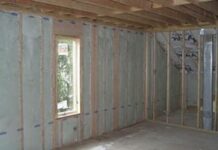
Building your own gym might cost a bundle upfront, but the long-term savings on membership fees are real. It’s not just about saving cash, though. It’s about making health the default option rather than a chore. Pair that with a smart thermostat, and you’ve got a double win. Energy bills drop. Comfort stays steady. The tech handles the adjustments so you don’t have to.
Then there’s the deck. It’s not just wood and nails. It’s an extension of your living room. Suddenly, your square footage is gone, but your usable space has doubled. Entertaining becomes effortless. Relaxation happens outdoors. Real estate agents will tell you it boosts resale value. They’re right. But you’re the one living there.
I used to draw floor plans as a kid. I’d cut out paper furniture and place it on my sketches. Money was no object in those drawings. Indoor pools. Two-story libraries with rolling ladders. Playrooms the size of a basketball court. My parents brought home builder catalogs from the 1980s. I studied them. Back then, a den or a sunroom was a luxury. Now? It’s standard.
Fast forward to today. What’s in your dream home? Do you design for yourself or for the next buyer? Tastes shift. Designs evolve. My late-70s house had a “master bedroom” with a closet smaller than my current linen closet. It’s a reminder that what feels grand now might feel cramped later.
So, what should you build in? Things that make life easier. Things future residents will thank you for.
10: Convenient Cleaning Spaces and Features
Why bother with cleaning features? Most people hate the “work” in housework. They do it because they have to. But if you design around it, the chore becomes manageable. Maybe even tolerable.
Let’s start with laundry. A poorly designed laundry room is a nightmare. A well-designed one? It’s almost pleasant. You need storage. Cabinets. Hooks. Open shelving. Keep clutter out of the living room. A built-in cabinet with a fold-down ironing board saves floor space. A counter or small table gives you a proper folding surface. Don’t fold on the sofa. Your back will thank you.
Add a sink for hand-washing delicates. If you have a large household, consider a built-in drying rack. Or hang one from the ceiling. Shirts that need immediate hanging? Mount a bar. And forget lugging baskets up and down stairs. Install a laundry chute. You need a clear path—no wires, no pipes—from an upstairs hallway down to a basket in the laundry room. It’s a game-changer.
Mudrooms often share space with laundry rooms, but they don’t have to. A mudroom keeps the chaos at the door. Coats. Jackets. Gloves. Rain boots. Shoes. Sports gear. Backpacks. Purses. If you don’t have a dedicated room, carve out a corner. A standalone cabinet with baskets and hooks works. Or build a wall of hooks and shelves.
And the vacuum? Stop dragging it around. Install a central vacuum system. The motor sits in the garage or utility closet. Tubes run through the walls. Inlets pop up in key areas. Plug in a hose. Turn on the switch. Done. The dust stays out of the air. Your home stays cleaner. Your resale value goes up.
9: Green and Energy-efficient Features
Energy efficiency isn’t just a buzzword. It’s about control. A smart thermostat learns your schedule. It adjusts the temperature when you leave. It cuts waste. You save money. You reduce your carbon footprint. It’s a small change with a big impact.
But it goes beyond the thermostat. Insulation matters. Windows matter. Appliances matter. When you choose energy-efficient features, you’re investing in comfort. No more drafty rooms. No more overheated bedrooms. The house works for you.
Consider solar panels. They’re expensive upfront. But the long-term savings are significant. Plus, many governments offer tax credits. Check your local incentives. They can cut the cost in half.
Water efficiency is another area. Low-flow showerheads. Dual-flush toilets. They don’t feel like much of a change. But the water bill drops. The environmental impact shrinks. It’s a simple swap with a huge result.
“Energy-efficient features reduce utility bills while enhancing comfort.”
This isn’t just about being green. It’s about being smart. The market rewards efficient homes. Buyers are looking for lower operating costs. They want to know the roof won’t leak. They want to know the HVAC system is new. They want to know the windows don’t rattle in the wind.
Build it right. Build it to last.

The buzzwords “green” and “energy-efficient” are everywhere, but for a homeowner, they translate to concrete actions. If you’re starting from scratch, you can work with architects who orient your house to the sun’s path, optimizing window placement to slash heating and cooling loads. But if your home is already built, you aren’t out of luck. You can retrofit for efficiency. It saves money. It also boosts resale value for eco-conscious buyers.
The paths diverge into four main buckets: energy efficiency, air quality, water conservation, and energy generation. Start with the basics. Swap out major appliances for Energy Star rated models. Upgrade to a high-efficiency water heater and a modern HVAC system. Good filtration in those systems improves indoor air quality. So does painting with low-VOC paint and choosing renewable flooring like bamboo. Swap single-pane glass for double-paned windows. They hold heat in winter and block AC in summer.
Want to push further? Look at water. You can install gray water systems to reuse non-potable water for toilets and irrigation. Or just catch rainwater. For power, solar panels are the obvious choice, but small wind turbines work too in the right spots. These upgrades cost money. If sustainability matters to you, it’s a worthy investment.
Xeriscaping and Low-Maintenance Landscapes
The era of the thirsty front lawn is fading. Many homeowners are tired of the relentless cycle of weeding, raking, and mowing. Enter xeriscaping. This landscaping style prioritizes drought-tolerant plants and minimizes traditional grass. It cuts water usage. It cuts labor. The result is still a pretty yard.
You don’t have to go full desert, though. Use spreading plants like English ivy to cover ground with minimal care. If you’re a gardening enthusiast, go big. A planned English garden or a maze-like hedge can be a labor of love. It requires space and time, but the resources are there if you want to indulge.
For those who just want to relax, the backyard is now an extension of the living room. Think sunrooms, screened porches, verandas, decks, and patios. Some setups mimic a second kitchen, complete with outdoor burners, sinks, and even TVs. A large built-in grill or a brick pizza oven turns the yard into a party hub.
Swimming Against the Current
A pool or hot tub is already a luxury upgrade. To get more avant-garde, consider an infinity pool with vanishing edges. Or look at a stationary pool. These are compact units, often installed indoors. They generate a current so you can swim in place. It’s exercise without taking up a backyard.
Building a Safe Room
Remember the Jodie Foster movie Panic Room? The premise is simple: a secure room that keeps everyone out. You might not be protecting millions of dollars, but the concept applies to tornado zones or general security fears. What actually makes a room safe?
FEMA has specific guidelines for residential safe rooms. Key features include:
* Location: Ground floor or underground.
* Foundation: Solid and reinforced.
* Door: Steel, resistant to battering, bullets, and fire.
* Structure: Steel studs (not wood) for fire resistance. Reinforced ceiling to stop debris intrusion.
* Walls: Concrete or metal mesh.
Once the cage is built, add systems. A separate ventilation system, power supply, and telephone line ensure you’re independent if the main house fails. If lines go down, keep a satellite phone or ham radio handy. Stockpile essentials: cots, clothing, first aid supplies, ready-to-eat food, water, a portable toilet, and flashlights. You need to be self-sufficient for a while.
Hidden Passages and Secret Rooms
Safe rooms and secret rooms aren’t the same thing. One is for protection. The other is for concealment. Secret rooms are a nod to mystery novels, but they’re real. You might see a bookcase hiding a doorway or a faux fireplace that swings open. Maybe you install a staircase that rises on a button to reveal a space behind.
Making a room truly undetectable requires professional help. Some companies specialize in building these hidden spaces. It’s a niche market, but the demand is there for homeowners who want privacy or just a little intrigue in their daily routine.
Building a Sanctuary That Actually Works for Your Pets
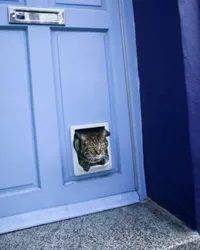
If your animal companions are family, treating the house like a human-only zone is a missed opportunity. You don’t need to gut the entire structure to accommodate them. The entry point is often the simplest fix: a pet door. You can go basic with a flapping flap, but if security is a concern, look into electronic models. These use a magnet on the collar to unlock the flap, ensuring that raccoons or stray dogs don’t wander in while your cat is out. It’s a small investment that offers significant peace of mind.
Once they step outside, the terrain matters. A fenced yard is the standard, but fences have their flaws. Cats will climb over them. To stop this, install fence toppers or capping. Invisible fences are another route, mostly for dogs. They deliver a mild static correction when the pet crosses the boundary. It works quickly, though some owners find the psychological aspect of it stressful for the animal. If you want a dedicated outdoor space for cats that doesn’t risk local wildlife, consider a catio—a screened enclosure that lets them breathe fresh air without escaping.
Back inside, layout changes can make daily life smoother. If you have the square footage, a dedicated pet room is a luxury. It needs light, a warm bed, and a feeding station. For cats, vertical space is everything. Install cat trees, wall-mounted ramps, or even ceiling hammocks. If you’re really committed, install a dog shower. A low sink with a handheld sprayer is far easier on your back than lifting a muddy pup into a tub. Flooring choices also dictate maintenance levels. Tile and hardwood are superior to carpet because they resist stains and odors. Heated floors? That’s a nice-to-have for cold-climate owners. Some extreme pet owners even cut openings between rooms for cats to pass through, bypassing the need for doors.
Playrooms and Game Rooms: Defining the Space
Playrooms were rare when I was young. Toys lived in bedrooms, confined to boxes and bins. If you wanted to play elsewhere, you risked a mess. Today, dedicated play spaces are common. They separate the chaos from the sleeping quarters. A playroom can hold bigger structures—a climbing wall, an indoor basketball hoop, or even a fireman’s pole connecting to a bedroom above. Storage is key here. Built-in cabinets hide the clutter. Open shelves display the favorites. The goal is simple: when bedtime comes, the toys stay put. This separation is a huge relief for parents who are tired of stepping on LEGOs at night.
Game rooms operate on a similar logic but target adults. It’s the modern “man cave.” You might see dart boards, pool tables, or poker chips. If the space allows, add arcade cabinets. Air hockey, Skee Ball, classic pinball. The experience is enhanced by authenticity. Charge for tokens. Have machines spit out tickets. It recreates the arcade atmosphere without leaving the house. The line between a playroom and a game room is thin. Both are about creating a zone where the main household noise doesn’t dominate the living areas.
The Bathroom Retreat
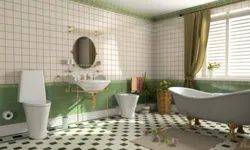
The bathroom is often the first room renovated. It’s also the one most people skimp on because they assume it’s just functional. That mindset leaves bathrooms cold, sterile, and unpleasant to use. A true bathroom retreat treats the space as a sanctuary for personal care and relaxation.
Start with the layout. Can you separate the toilet and shower from the vanity? A water closet adds privacy and reduces noise. If space is tight, consider a wet room design where the shower area is fully waterproofed, eliminating the need for a curbed stall. This is easier to clean and more accessible for aging in place.
Fixtures define the experience. A rain showerhead feels luxurious, but check your water pressure first. If it’s low, you’ll get a pathetic drizzle instead of a spa-like downpour. Frameless glass doors look cleaner than curtains and are easier to maintain. For the vanity, double sinks are a game-changer for couples. If space is limited, a single wide counter with a deep basin works.
Materials matter. Natural stone feels great underfoot but can be slippery when wet. Porcelain tiles mimicking stone offer the look with better slip resistance. Heated flooring is a non-negotiable for many. It transforms a cold morning routine into a comfortable one.
Lighting sets the mood. Avoid harsh overhead lights that cast shadows on your face. Use sconces at mirror level or integrated LED strips behind the mirror. Dimmers are essential. You want bright light for shaving and applying makeup, and soft, warm light for evening baths.
Ventilation is the unsung hero. A powerful exhaust fan prevents mold and keeps the space fresh. If you’re renovating, upgrade the ductwork. A noisy fan ruins the retreat vibe. Look for models with low decibel ratings.
Finally, storage. A vanity with drawers is better than doors if you need to access items quickly. Open shelving can look stylish but collects dust. If you use it, keep it tidy. Mirrors make the space feel larger and reflect light. In small bathrooms, a large mirror can double the perceived size of the room.
The goal is to create a space that feels like an escape, even if it’s just for ten minutes a day. It’s not about spending a fortune. It’s about intentional choices that prioritize comfort and functionality over trends.
The Ultimate Home Theater Setup
You have the kitchen. You have the spa-like retreat. Now you need the place to unwind that doesn’t involve looking at a screen on your phone or laptop. The home theater isn’t just a room with a TV anymore. It is a dedicated environment for immersion.
Start with the walls. Drywall isn’t enough. You need mass to stop sound from escaping into the rest of the house and noise from creeping in. Acoustic paneling or specialized soundproofing insulation in the studs is the first step. It costs more upfront, but it saves you from hearing every bass thump of the movie from the bedroom upstairs.
The screen matters. A standard flat screen is fine for news. For a movie night, you want a projector. But projectors need darkness. Blackout curtains are non-negotiable. You want to kill the light leak from under the door and the streetlamp outside. Motorized shades take the guesswork out of it. They drop when the movie starts. They rise when the credits roll.
Lighting is tricky. You can’t have bright overheads. Recessed LED downlights with dimmers are the standard. Or go lower. Install cove lighting behind the screen or along the baseboards. Indirect light creates depth without glare. You want the light to bounce off the walls, not hit your eyes.
Seating dictates the experience. You don’t want stiff chairs. Look for recliners with cup holders. Or better yet, build a theater-style row system. You need to be able to lie back. Headroom matters. If you are building a dedicated room, check the ceiling height. If you are retrofitting a basement, make sure you have enough room to stand up after sitting.
Connectivity is the hidden cost. You need more than an HDMI cable. Think about your source devices. Streaming box? Blu-ray player? Game console? They all need to talk to the sound system. A AV receiver with HDMI 2.1 support ensures you can handle 4K at high refresh rates. Don’t cheap out on the receiver. It is the brain of the operation.
Sound needs to surround you. A soundbar is a compromise. For a true home theater, you need a 5.1 or 7.1 speaker setup. That means multiple speakers around the room and a subwoofer for the low-end rumble. Place the subwoofer in a corner for maximum bass response, but experiment. Bass traps in the corners help clean up the sound so it doesn’t muddy the dialogue.
Finally, the floor. Hardwood reflects sound. It makes the room echo. You want absorption. Thick area rugs with dense padding help. Or install carpeting. It sounds old-fashioned, but it works. It dampens the noise and adds comfort underfoot.
This room is for you. Not for hosting. Not for showing off. It is for the late-night sci-fi binge or the Sunday football game where you can actually hear the crowd roar. It changes how you watch things. Suddenly, you aren’t just viewing content. You are inside it.
And just like that, the rest of the house feels a little less important.

Commercial cinema is becoming a luxury I can’t justify. The tickets are pricey. Bringing a small child is a logistical nightmare. And don’t get me started on the people who treat a public screening like a living room party. They talk. They kick seats. They ruin the immersion.
But bring that experience into your own basement or spare bedroom? Now you have control. You control the volume. You control the snacks. No ads. No strangers.
The Room and The Screen
A true home theater setup isn’t just a big TV in the corner. It’s an environment. You need darkness. You need isolation. Soundproofing matters if you live in a duplex or have thin walls.
Furniture should be purpose-built. Recliners with cup holders. Trays for popcorn. If you’re serious, install a mini-fridge or a popcorn machine in the room. Stop running to the kitchen every time the credits roll.
Then there’s the screen itself. You have options.
- LCD/LED: Bright, reliable, and widely available.
- Plasma: Deep blacks, though less common now due to power consumption.
- DLP (Rear Projection): The old-school giant. Requires space.
Some purists argue anything under 70 inches doesn’t count. That’s a gatekeeping argument. If you sit back four feet from a 40-inch 4K panel, it looks sharp. If you sit ten feet from a 65-inch screen, it’s overwhelming. Geometry wins.
Want 3D? Sure. Just buy enough active shutter glasses for your guests. It’s a cost and convenience factor, not a technical barrier.
Mounting is key. Wall-mount the TV or use a motorized lift that drops from the ceiling. This keeps the room flexible. When the movie ends, the screen disappears.
For content, an HD Blu-ray player is non-negotiable for quality. Streaming is convenient, but uncompressed or lightly compressed video from a disc still looks better.
Audio: The Missing Half
Visuals are only half the experience. You need premium sound.
A simple soundbar is a compromise. For a real home theater sound system, you want surround sound. This means multiple speakers placed around the room to create a 360-degree audio field. Add a subwoofer for those chest-thumping bass effects.
You don’t have to wire this yourself if you’re not handy. Many retailers offer installation services. They handle the cabling, the mounting, and the calibration. It’s worth paying for if you want it to work right out of the box.
Integrated Home Electronics: The Nervous System
Once you’ve built the room, why stop there? The next level of renovation isn’t a room. It’s a system.
This is integrated home electronics. Or home automation. Or smart home tech. The terms swap around, but the function is the same: central control.
Imagine a touchscreen on the wall. Or just your phone. From there, you control everything.
- Audio: Speakers installed in the ceiling of every room. Even the garage. Play your entire Spotify library in the kitchen while you cook. Move to the bathroom, and the music follows.
- Climate: Programmable thermostats are basic. Integrated systems let you adjust the temperature in specific zones. Leave the house? The system knows. It drops the heat. You return? The house is warm.
- Lighting & Blinds: Turn lights on before you walk in the door. Lower blinds automatically when the sun hits the screen.
- Security: Monitor cameras. Check motion detectors. Get alerts if a window is broken.
- Safety: Detect gas leaks. Water leaks. Smoke.
It’s not just about turning on the TV from the toilet. That’s the fun part. The real value is efficiency and security. You reduce energy waste by managing HVAC and lighting remotely. You sleep better knowing the system is watching for intruders or fires.
Can you do this yourself? Yes. Many systems are DIY-friendly now. But the wiring can be complex. If you’re dealing with whole-house audio or whole-house lighting, hire a pro. If it’s just a smart thermostat and a couple of bulbs, grab a ladder and a screwdriver.
The line between “convenience” and “necessity” is blurring. Once you have a central hub, you realize how many manual tasks you wasted time on every day.
Frequently Asked Questions
Can I build a home gym in a small space?
Yes. Use resistance bands. Adjustable dumbbells. A folding bench. Mount storage to the wall. Keep the floor clear.
Is it possible to install a deck without professional help?
Technically, yes. Practically? It’s risky. Hire professionals. They handle permits. Structural integrity. Local codes. Do it wrong, and it collapses. Do it right, and it lasts decades.