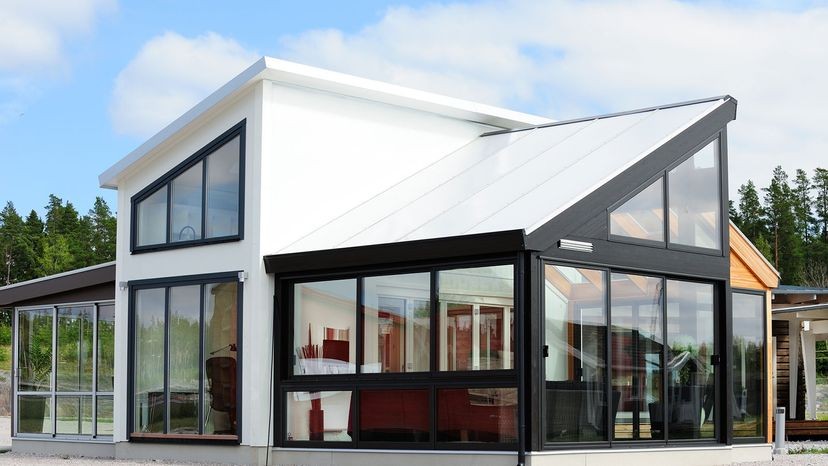
On a scorching afternoon, a standard black roof can hit 150°F (65°C). That heat doesn’t just stay on the shingles. It radiates into your attic. It raises indoor temps. It forces your AC to run harder. In dense urban areas, that trapped heat contributes to the urban heat island effect. The air stays hotter longer. Rural and suburban homes suffer too. Higher energy bills. More discomfort.
The fix is a cool roof. This isn’t a single product. It’s a system designed to reflect sunlight and release absorbed heat. A cool roof stays more than 50°F (28°C) cooler than a traditional one. It cuts cooling costs. It reduces strain on the power grid. It’s a practical step for homeowners who want lower bills and better comfort without overhauling their entire house.
Certification programs like LEED, Energy Star, and the DOE Building Technology Program define these roofs by two metrics: solar reflectance and emissivity. Think of them on a scale from 0 to 1. Zero is true black. One is true white. Higher numbers mean less heat absorption. You don’t need to become a physicist to choose the right material. You just need to match the roof type to the solution.
Modified Bitumen for Low Slopes
Your roof’s slope dictates your options. Low-sloped roofs—those rising less than 2 feet for every 12 horizontal feet—have stricter cool roof requirements than steep ones. If you have a flat or low-slope roof, modified bitumen is a common starting point.
This material consists of sheets of plasticized or rubberized asphalt. Reinforcing fabric holds it together. It’s fastened with hot asphalt or cool adhesives. Traditional versions are black or gray. They absorb heat. But you can upgrade them. Applying a white reflective coating at the factory boosts solar reflectance. It meets cool roof standards without replacing the entire structure. Check local codes. Some municipalities require this for new commercial construction. Homeowners can follow suit for existing low-slope sections.
Single-Ply Membrane Options
Single-ply membranes offer another route for low-slope roofs. These are prefabricated plastic or vinyl sheets. They contain solar reflective coatings or materials within the sheet itself. You don’t need extra surfacing. The cool properties are built in.
Installation varies. Sheets are rolled onto the deck. They’re attached using chemical adhesives, mechanical fasteners, or ballast like gravel or pavers. The three most common types are polyvinyl chloride (PVC), ethylene propylene diene monomer (EPDM), and thermoplastic polyolefin (TPO).
Not all single-ply membranes qualify as cool roofs. You have to check the specs. Look for high solar reflectance values. EPDM used to be mostly black and heat-absorbent. Modern versions often include reflective grains or coatings. PVC and TPO typically start with higher reflectivity. Match the material to your climate. In hot zones, higher reflectance pays off faster.
Why This Matters for Your Wallet
The math is straightforward. Less heat absorption means less heat transfer into your living space. Your AC unit runs fewer hours. Energy bills drop. The urban heat island effect shrinks. Cooler cities mean lower overall temperatures. It’s a win for the planet and your pocketbook.
You can apply these techniques to new builds or retrofits. Coatings add reflectivity to existing surfaces. Green roofs replace hardscape with vegetation. Each option has a different upfront cost and lifespan. Factor in your budget. Consider your roof’s current condition. A cool roof isn’t just about comfort. It’s about efficiency. It’s about stopping the heat before it enters your home.
The next steps involve picking the right material for your specific roof type. Some options work best on steep slopes. Others require professional installation. The goal is simple: keep the heat out. Start by evaluating your current roof’s slope and material. Then compare the cool roof alternatives. The choice you make will determine how much energy you save next summer.
Upgrade to Reflective Built-Up Layers
If you are dealing with a flat or low-slope structure, you are likely looking at built-up roofing (BUR). It is the classic tar-and-gravel system. It is cheap. It is easy to fix. And because of that, it remains the go-to choice for many commercial and residential flat roofs. The construction is straightforward: you layer asphalt or bitumen with fabric, then cap it with gravel, mineral granules, or crushed stone.
The problem with traditional BUR is its color. It is usually black or dark gray. That dark surface absorbs sunlight and holds onto heat. It acts like a heat sink for your entire building. You can change that dynamic without tearing off the whole system.
One option is swapping the top layer. Replace the black gravel with white gravel or reflective marble chips. This increases solar reflectance immediately. Another method is using a mineral surfaced cap sheet. This material has reflective granules or coatings baked into it during manufacturing. You can also inject special pigments into existing asphalt surfaces to turn them into “cool roofs.” This usually involves two coats: one reflective layer and one emissive layer designed to release heat quickly.
Cost is rarely a barrier here. Installing a cool built-up system costs about the same as a standard one. Some products run slightly higher, but the energy savings often offset that difference within a few years. You are paying for longevity and lower utility bills, not just materials.
Spray On or Roll On a Cool Coating
Cool roof coatings are another route, but they have strict conditions. They work best on low-sloped roofs that are already in decent shape. If your roof is sagging or leaking extensively, a coating is just a bandage.
These coatings fall into two buckets: cementitious and elastomeric.
Cementitious coatings contain concrete or ceramic particles. They are thick and heavy. They improve reflectance, but they do not provide waterproofing on their own. You must apply them over a surface that is already thoroughly waterproofed. If the roof leaks, the water gets trapped behind the cementitious layer and causes damage you can’t see.
Elastomeric coatings are different. They contain polymers. This makes them flexible, less brittle, and highly adhesive. Crucially, elastomeric coatings act as a watertight membrane. They bridge small cracks. They seal seams. This makes them a more forgiving option for DIYers or contractors working on older roofs with minor wear.
You can apply these coatings by spraying, rolling, or brushing. The result is a bright white, paint-like surface. It looks uniform. It reflects heat effectively. These coatings are popular in re-roofing projects because they extend the life of an existing roof without the labor-intensive process of tear-off and replacement. New construction rarely uses them from the start, preferring integrated cool materials, but for an existing flat roof, it is a practical upgrade.
Select the Perfect Shingle
When you move to a pitched roof, shingles become the primary defense. But “perfect” is a relative term. It depends on your climate, your budget, and your willingness to maintain the surface. Standard asphalt shingles absorb heat. You need to look for specific attributes to keep the attic cool.
Granule composition matters. Some manufacturers embed ceramic beads or reflective pigments into the asphalt granules. These cool roof shingles reflect more sunlight than traditional black-granule options. They look similar from the ground, but the difference in thermal performance is measurable.
Material choice also plays a role. Clay and concrete tiles are naturally cooler than asphalt because of their mass and color, though they require a stronger structural frame. Synthetic polymer shingles can be engineered for high reflectivity while mimicking the look of wood or slate.
Installation precision affects performance too. Poor ventilation under the shingles traps heat regardless of the surface material. You need intake vents at the
You’ve likely heard that cool roofs are the answer to soaring summer bills, but most of the advice online focuses on flat commercial buildings with white membrane tops. What about the typical American home with a pitched roof? The rules change slightly, but the options are still robust. You don’t need to gut your house to get that reflective benefit.
For steep-sloped roofs, standard asphalt shingles can be swapped out for cool asphalt shingles. These aren’t magic. They use specially coated reflective granules that bounce sunlight away instead of absorbing it. Wood, polymer, and metal shingles can also be treated with these coatings to boost solar reflectance.
Here is the catch: shingles generally aren’t as reflective as the white membranes used on low-slope roofs. They trade peak performance for aesthetics. That familiar look keeps them popular in residential construction.
Cost and Color Trade-offs
Let’s talk money. A cool shingle with white granules costs about the same as the old, standard dark asphalt granules you’re used to seeing. If you want the roof to match a specific aesthetic—say, a deep charcoal or warm terracotta—that specially coated colored granule will cost a little more. But you aren’t paying a premium for performance; you’re paying for the color. The technology is there regardless of the hue.
5. Make It Metal
Unpainted metal roofs are naturally reflective. They have high solar reflectance. But they have a flaw: low emissivity. They tend to hold onto the heat they do absorb. This makes them better suited for steep roofs rather than flat or low-sloping ones, which get hammered by sunlight all day long.
A factory-applied cool roof coating can fix this. It improves the heat-releasing properties of the metal. Some coated metal roofs actually qualify as cool roofs now. If you are on a budget, a standard unpainted metal roof is a cost-effective solution for steep applications. It is already reflective. You need no additional technologies or materials to achieve cool roof status. It’s simple. It works.
4. Pick a Tile, (Almost) Any Tile
Tiles aren’t as common as shingles, but they are effective. Both traditional and “cool-colored” tiles work well for cooling a steep-sloped roof. Some traditional tiles have naturally reflective properties, depending on the clay type and color.
“Cool-colored” tiles take it a step further. They are created with pigments that reflect solar energy in the infrared spectrum. You’ll usually find these in earth tones—brown, green, terracotta. Many qualify as Energy Star materials for steep-sloped roofs. The cost? Comparable to traditional roofing tiles. You aren’t paying extra for the cool tech, just for the durability and style.
3. Get a Little Misty-Eyed
Maybe you don’t want new materials. Maybe you want to keep your current roof and just lower the temperature. Consider a roof mist cooling system. It’s also called an evaporative cooling system.
It works by spraying an extremely small amount of water across the roof. The water evaporates, pulling heat away from the surface. Think of it like sweating. Your body cools down as the moisture evaporates. The roof does the same.
At its most basic, this can be little more than a garden hose set to the mist setting and aimed across the roof. (This trick works on stone patios and wooden decks too.) More sophisticated systems feature a misting pump with a built-in thermostat, timer, and 360-degree misting nozzles. These nozzles are strategically placed so the water hits every part of the roof. These systems are available for both industrial and residential use.
2. Go Green (Literally!)
A rooftop garden isn’t technically a cool roof in the strictest sense. But it achieves many of the same benefits. It also reduces stormwater runoff, which is a bonus.
A green roof, or rooftop garden, is a vegetative layer grown on the rooftop. There are varying levels of materials in between the plants and the structural deck. Some have irrigation systems. Some don’t. The plants shade the building from direct sunlight. They reduce surface temperatures and surrounding air temperatures through evaporation and transpiration. That’s the process where plants remove moisture from the soil and emit it through their leaves.
Rooftop gardens are so effective, they can lower a city’s ambient temperatures by up to 5 degrees Fahrenheit (minus 15 degrees Celsius), according to the U.S. Environmental Protection Agency (EPA).
The downside? Cost. Green roofs range from $10 to $24 per square foot for materials and installation. That’s more expensive than other cool roof options. But you get benefits beyond cooling. Beautification. Improved air quality. Noise reduction. Hard to put a price on that.
1. Rock On!
Ballasted roofing systems use a different approach. A membrane is laid on the roof deck. Then, concrete pavers or natural stones are placed on top to hold it in place.
These stones provide an insulating barrier against solar heat. It’s like an adobe building in the desert or an old stone farmhouse. The thick stone walls stay cool inside. Ballasted roofing systems are relatively inexpensive. You can even combine ballasted areas with rooftop gardens to reduce the overall cost per square foot of a landscaped roof.
Note that these systems don’t meet current Energy Star guidelines for cool roofing options. However, the EPA recognizes their effectiveness in energy savings. They also meet the cool roof standards in Chicago, which has been one of the earliest adopters of rooftop gardens and other green roofing technologies.
Frequently Asked Questions
How does a cool roof contribute to environmental sustainability?
A cool roof reduces energy consumption by decreasing the need for air conditioning. This lowers greenhouse gas emissions and helps fight urban heat islands.
What are the cost implications of converting to a cool roof?
The initial cost of installing a cool roof can be higher than traditional roofing. But the long-term savings on energy bills and the potential for tax credits or rebates often offset the upfront investment.
The market is shifting. You have more choices than just “white roof” or “black roof.” Whether you go with coated asphalt, metal, tile, or even a bit of greenery, the goal is the same: keep the heat out. The tools are in your hands. Or rather, on your roof.