You look at a drill bit. It’s just a twisted piece of steel, right? Wrong. That simple shape is actually engineered for specific battles against specific materials. You wouldn’t use a wood bit on a glass bottle. You’d break both.
Most homeowners grab the first bit they find. They assume size is the only thing that matters. But the material you’re drilling into dictates the geometry of the tip. Wood is the easy win. Metal requires speed and lubrication. Concrete? That’s a whole different beast.
The Universal Twist Bit for Soft Materials
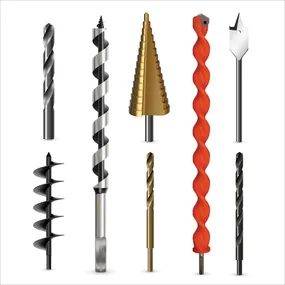
The twist bit is the workhorse. It’s everywhere. You’ll find it in almost every toolbox. These bits are designed to peel away material, creating a clean hole in soft substances.
Use it for:
– Softwood
– Hardwood
– Thin sheet metal
It’s not magic. It’s a spiral flute that pulls chips out of the hole. But don’t expect it to handle masonry. Sure, you can jab a twist bit into brick if you’re desperate. It will take forever. The bit will overheat. You might snap it. Just don’t do it for serious projects.
Masonry Bits for Hard Surfaces
When you hit concrete, brick, or stone, you need masonry bits. These aren’t just thicker. They’re built differently.
Look at the tip. It’s usually made of tungsten carbide. That’s the hard, brittle material that crushes stone instead of cutting it. The flutes are wider, too. Why? Because concrete dust is heavy. It clogs standard twist bits instantly.
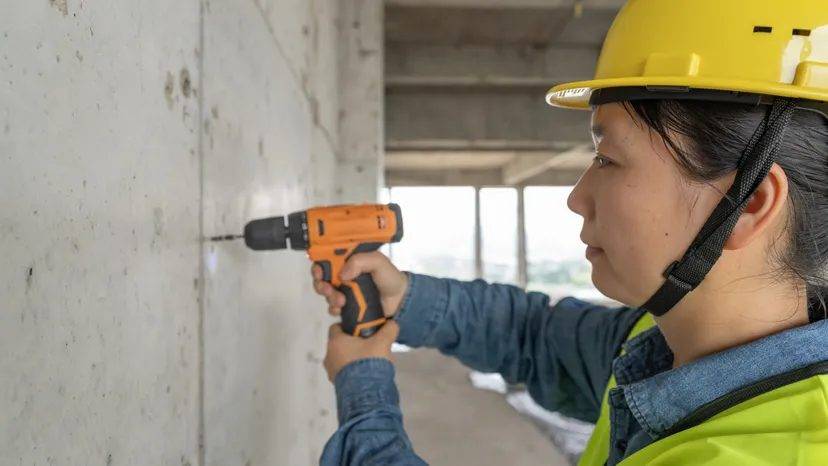
You need a hammer drill for these. A regular drill spins. A hammer drill spins and hammers. The bit pistons in and out as it rotates. That impact breaks the aggregate. The rotation clears the dust. Together, they punch through stonework with efficiency a standard drill can’t match.
If you try to use a twist bit on concrete, you’re fighting the material. With a masonry bit and a hammer drill, you’re working with it. That’s the difference between a weekend project and a headache that lasts all week.
Why Size and Measurement Matter
All these bits come in standard sizes. Metric units are the norm now. Diameter is the first number. Length is the second.
But length isn’t always what you think. A “long” bit might just have deeper flutes. A “extra long” bit reaches into deep cavities. Know what you’re buying.
| Bit Type | Best For | Tool Pairing |
|---|---|---|
| Twist | Wood, Metal | Standard Drill |
| Masonry | Concrete, Brick | Hammer Drill |
| Forstner/Spade | Clean Wood Holes | Standard Drill |
Don’t guess. Check the label. Check the tip. Match the tool to the task.
The secret to punching through solid concrete isn’t just power; it’s geometry and material. Tungsten carbide tips are the gold standard here. They’re tough, durable, and when you’re dealing with unyielding concrete, sharpness is non-negotiable. Masonry bits work in a specific two-stage process. Notice the design? The tip is wider in diameter than the shaft. This creates a clearance hole. When the narrower shaft slides into the opening, it doesn’t rub against the sides. Less friction. Better cooling.
Speed matters more than you’d think. Cranking the RPMs higher might feel productive, but it’s a quick way to ruin a bit. Concrete drilling requires patience. Lower speeds keep the carbide tip from overheating and dulling prematurely. If you’re using a hammer drill, stick to bits specifically engineered for it. These have reinforced carbide or diamond tips that bite into hard surfaces faster and cleaner than standard twist bits ever could.
Can you use a regular drill? Sure. For a quick hole in soft block, a standard drill with a masonry bit will get the job done. But for anything substantial? You’re fighting gravity and resistance. The motor strains. The bit overheats. You end up breaking two bits before you make it through an inch. A hammer drill changes the physics entirely. It adds a percussive force that shatters the aggregate while the rotation clears the dust.
Cutting Through Tile Without Shattering It
Tiles are deceptive. They look solid but act brittle. One slip and you’ve got a cracked facade. Drill bits made for tile mimic masonry bits in shape but differ in execution. They are significantly sharper. The edge is honed to slice through the glaze and ceramic body without applying lateral pressure that causes chipping. Use a steady hand. Let the sharpness do the work. No hammer mode needed unless you’re hitting the substrate behind the tile.
For larger openings—like for plumbing pipes or electrical conduits—standard bits won’t cut it. You need coring drill bits. These are massive compared to standard twist bits. They feature a hollow cylinder with diamond-tipped teeth along the cutting edge. Think of it as a cookie cutter for concrete. The diamond teeth grind through the material, leaving a clean, cylindrical plug in the center.
These aren’t for handheld drills. You need a heavy-duty hammer drill or an impact gun to drive the torque. The resistance is immense. If you’re drilling deep cores, heat buildup becomes a major issue. Concrete is a poor conductor of heat; it traps it right at the bit interface. A lubrication system or a steady stream of water is often necessary to keep the bit cool. Without it, the diamond segments can glaze over or detach.
Concrete Drill Bit FAQ
What drill bit is okay for concrete?
Masonry drill bits are the go-to choice. They feature tungsten carbide tips designed specifically to fracture and remove hard materials like concrete, cinder block, or natural stone. Avoid standard high-speed steel bits; they will burn out instantly.
Can you use a regular drill to drill into concrete?
Technically, yes. Practically, no. A standard drill lacks the hammering action required to break up the aggregate. You’ll likely strip the bit, overheat the motor, or break the bit entirely. A hammer drill is the efficient choice for saving time and equipment.
Is it good to drill concrete at a slower speed?
Absolutely. Slower speeds prevent thermal damage to the carbide tip. Start slow to establish the hole, then gradually increase pressure. The sweet spot for most concrete drilling is between 350 and 750 RPM. Anything faster generates excessive heat.
What is the most common drill bit size?
For most homeowners, a 3/8-inch chuck size is standard. It handles the majority of tasks like hanging shelves or mounting TV brackets. For heavy-duty work, like drilling into foundation walls, you’ll need a 1/2-inch or 5/8-inch chuck to accommodate larger bits and higher torque requirements.
Are concrete and masonry drill bits the same?
Not exactly. The distinction lies in the cutting head. Concrete drill bits often use a harder Widia plate (a tungsten carbide