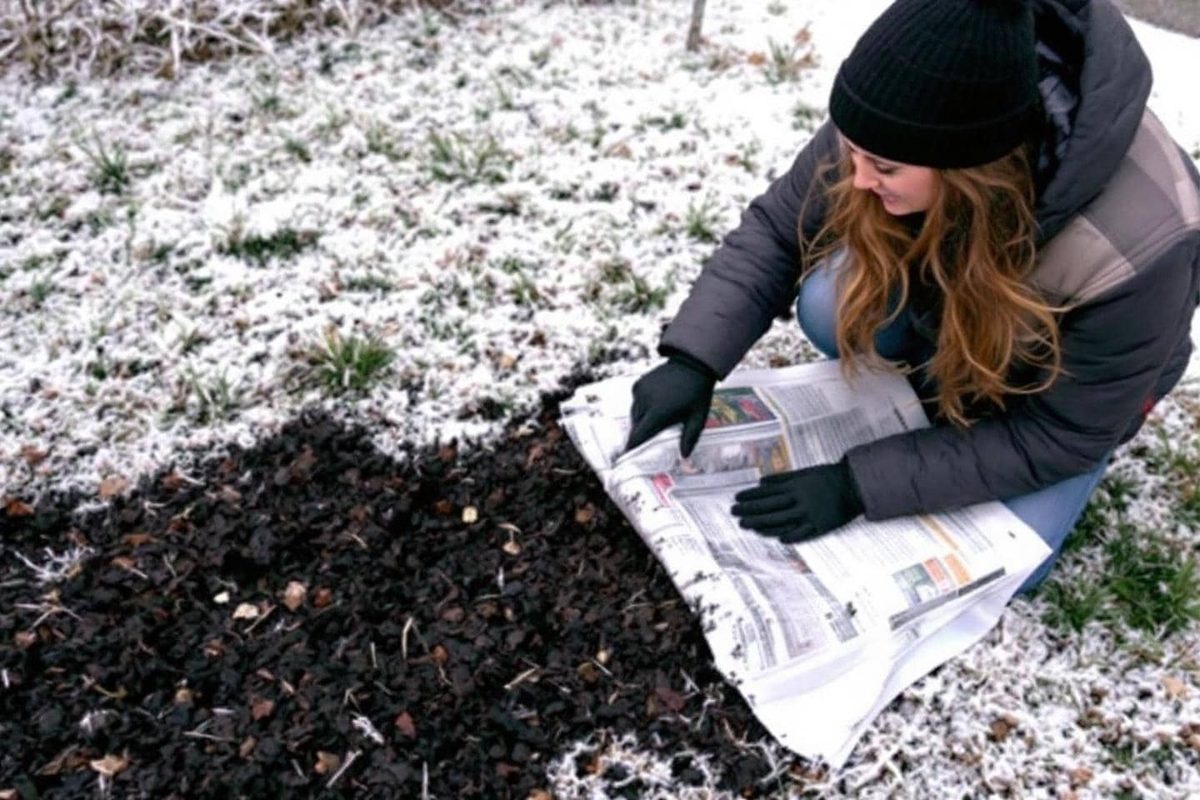
That old copy of the newspaper on your coffee table? It’s not just trash. It’s a weapon.
Gardening is full of weird hacks. Some fail. Some work. You only know if you test them. Paper is a morning ritual. Coffee. News. But underneath that ink, it hides a power most gardeners ignore. We are in December now. The garden is resting. The frost is biting. We want minimal work. Yet, there is a truth hiding in plain sight: recycling newspaper as mulch can change your routine. It makes your garden more resilient against winter. This is a simple technique. It is brilliant. And it is within reach of anyone.
Stop Weeding Without Chemicals
Sweat is not required. Neither are chemicals. Weeding feels like a burden. It doesn’t have to be. Paper can ruin the plans of unwanted plants. It is not just recyclable waste. It becomes a rampart. A shield. It stops invaders in their tracks.
Block Weeds Without Effort
Forget herbicides. Forget vinegar or salt recipes that damage the soil. A few sheets of your favorite daily paper, wet and spread around your plants, suffocate young weeds. They choke out dandelions or quackgrass roots. The secret is simple. Light is blocked. No sun means no photosynthesis. The weeds give up. They surrender.
Create a Soft but Impenetrable Barrier
When wet, paper conforms to the soil. It creates a barrier. It is flexible. It is also unbreachable. Weed seeds lose oxygen. They lose light. They cannot germinate. No more hunching over on Saturdays. Your back is saved. You have time for Christmas decor. Or just a quiet cup of tea.
Moisture, Coolness, and Water Savings: The Hidden Secret of Recycled Pages
We think of paper as just weed control. It is also a moisture guard. Winter or dry spring, the soil stays soft. It stays fertile.
How Newspaper Keeps Soil Loose and Fertile
Think of the paper as an invisible sponge. It catches dew. It holds autumn rain. It traps morning mist. Under that inked cover, the earth does not dry out. It avoids winter cracking. It prevents early spring seeds from drying up. The result? Soil that is loose. Alive. Easy to work with when the warm days return.
Reduce Watering Is Possible
Less evaporation means less watering. The math is obvious. Even in the depths of winter, moisture reserves matter. A garden protected by newspaper enjoys a tempered microclimate. Humidity stays trapped. Coolness enters. Your water bill drops. You help the planet. You help your wallet.
Low-Cost Mulch: Smart Recycling for a Smart Garden
Do you need trendy garden gear? Expensive bags of mulch from the nursery? No.
Why Invest When Everything is Already at Hand?
Used newspapers pile up at home. Waiting for the bin. Why not give them a useful second life? This checks every box. Zero waste. Economy. Accessibility. Why throw it away? Use what is already there. Especially in winter. When compost is scarce. And traditional mulch is waiting.
Reusing Newspaper: The Eco and Economic Hack
A few sheets. A basin of water to wet them. Done. By reusing the old paper, you avoid extra waste. You act for your garden. Many French gardeners are rediscovering this. They love the double effect. Organic garden. Economy. Two birds with one stone.
Avoid Beginner Mistakes: Precautions Before You Start
Be careful. Not all printed stuff belongs under tomatoes. A successful mulch starts with material choice.
Inks and Coatings: What to Avoid
Not all newspapers are equal. Stick to standard paper. No toxic inks. No glossy finishes. Avoid heavily colored inserts. This prevents garden pollution. Skip magazines. Skip advertising catalogs. Skip plasticized additives. These resist decomposition. Worse, they release substances harmful to soil microbes.
Ideal Thickness and Perfect Coverage
The recipe for success is specific. Spread three to five sheets of paper on the soil. Less, and the result crumbles. Too thick, and water cannot penetrate properly. Wet them generously so everything stays in place. Then, if you want, cover with organic mulch. Shredded wood. Dead leaves. Dry grass. For aesthetics. And optimal protection.
It works. But it requires patience. The paper decomposes. It feeds the earth. You just have to let it.
Why Newspaper Mulch Converts Skeptics Overnight
The proof is in the planting. Gardeners who roll their eyes at using newsprint usually change their tune after the first season. The results are not subtle. They are consistent across climates, from freezing zones to moderate temperate regions.
The benefits start before the snow even falls. Beds stay cleaner. Spring germination becomes uniform instead of patchy. Storms cause less damage to young shoots. The soil structure loosens up. Even container gardens on balconies benefit from this low-cost trick. It works where it matters most.
What Happens to the Paper in Winter
By January, the paper begins its slow transformation. It does not just sit on top. It melds with the topsoil. Earthworms take notice immediately. They burrow through the wet pages, aerating the ground as they go.
This creates a loose, crumbly texture. That is what every gardener wants. The hard crust that forms after rain disappears. Weeding time drops significantly. You gain hours back in your schedule. Hours you can spend planning next season’s crops instead of pulling weeds.
Combining Newspaper with Organic Matter
Paper alone is a barrier. It blocks light and suppresses weeds. But it lacks nutrients. To maximize efficacy, layer it with organic materials. Wet the newsprint first. Then add a thick blanket of biomass.
Good options include:
– Fresh lawn clippings
– Chopped hedge trimmings
– Dry leaves collected from walks in the woods
This combination offers dual protection. The paper stops weeds from establishing roots. The organic layer feeds the soil. It shelters beneficial microfauna. The result is a self-sustaining ecosystem under your feet.
Building a Living Soil Profile
The most lush gardens do not rely on a single material. They alternate layers. Use newspaper as the foundational weed barrier. Top it with whatever is available locally. In some regions, that means straw. In others, it might be wood chips or vegetable scraps.
The goal is simple. Keep the soil covered. Keep it alive. Never leave dirt exposed to the elements, even in the dead of December. This practice is practical. It is also deeply ecological. It turns morning trash into tomorrow’s resource.
Who knew the front page could be the best ally for your vegetable patch? As winter sets in, the garden looks dormant. But underneath, heat is retained. The ground prepares for spring. The work is done before the seeds are even sown.