It happens to the best of us. You’re standing on your porch, key in hand, and the lock just won’t budge. Panic spikes. Do you break down the door? Call an expensive locksmith? Or do you try to force it with brute strength?
Stop. Forcing the issue is a mistake that often turns a minor annoyance into a expensive repair job. The solution doesn’t require professional tools or Herculean strength. It relies on a single, simple intervention that anyone can perform in under a minute.
Why Your Lock Seized Up
Before you start spraying or sawing, you need to understand the enemy. French-style locks (and most residential cylinders) are exposed to the elements. They face a brutal combination of environmental stressors.
Humidity from rainy seasons creates corrosion. Wind carries dust, sand, and debris directly into the keyhole. Over time, natural wear degrades internal components like springs, pins, and tumblers. They lose their flexibility. If you’ve been yanking the key or jiggling it aggressively, you’ve likely packed that debris tighter into the mechanism. The result is a jam that feels permanent.
Recognizing a Gripe vs. a Break
There is a fine line between a lock that is stuck and one that is broken. A gripped mechanism presents specific warning signs. The key catches. The turn is stiff. You hear a resistance, but no metal-on-metal snapping sounds. It feels like the internal pins are just too dry to slide.
Forcing a key when you feel this level of resistance is dangerous. It can shear the key off inside the cylinder. Once the key snaps, the game changes completely. Now you need specialized extraction tools. Distinguishing between a simple lack of lubrication and actual mechanical failure is the first step in saving yourself time and money.
The Magic of Specialized Lock Lubricant
The remedy for a stubborn lock is not WD-40, cooking oil, or pencil graphite (despite the old myths). The correct approach uses a specialized lock lubricant spray. These products are engineered specifically for the delicate internal geometry of a cylinder.
Why Generic Grease Fails
Standard penetrating oils and degreasers are often too aggressive for lock cylinders. They can leave behind a sticky residue. This residue acts like a magnet for dust and dirt. In a few months, that “fix” becomes a gummy mess that locks the door tighter than before.
A dedicated lock spray has a low-viscosity formula. It penetrates deep into the pin stacks and the keyway without leaving a heavy film. It cleans out existing grime while providing a slick surface for the pins to move. The goal is dry lubrication. You want the pins to slide, not to sit in a pool of oil.
How It Works on Cylinders and Deadbolts
Inside the cylinder, tiny pins must align perfectly for the shear line to pass. When these pins are dry or dirty, friction prevents the plug from turning. The spray acts as a restorative agent. It coats the pins and the springs, reducing friction to near zero. The mechanism regains its original fluidity. No disassembly required.
Step-by-Step: Lubricating Without Disassembly
This process is straightforward. You don’t need a toolkit. You need patience and the right product.
1. Apply the Spray Correctly
Grab a can of lock-specific lubricant. Shake it well. Insert the thin straw nozzle into the keyhole. You want to get as deep as possible, but not so deep that you damage the internal components.
Spray two to three short bursts. Do not flood the lock. These modern sprays are potent. A little goes a long way. Most are odorless and won’t stain your door frame or paint. If you have a key already cut, insert it slightly to help guide the spray into the deeper chambers, but do not force it.
2. Work the Key to Distribute the Product
This is the critical step that most people skip. You cannot just spray and walk away. The lubricant needs to reach every pin.
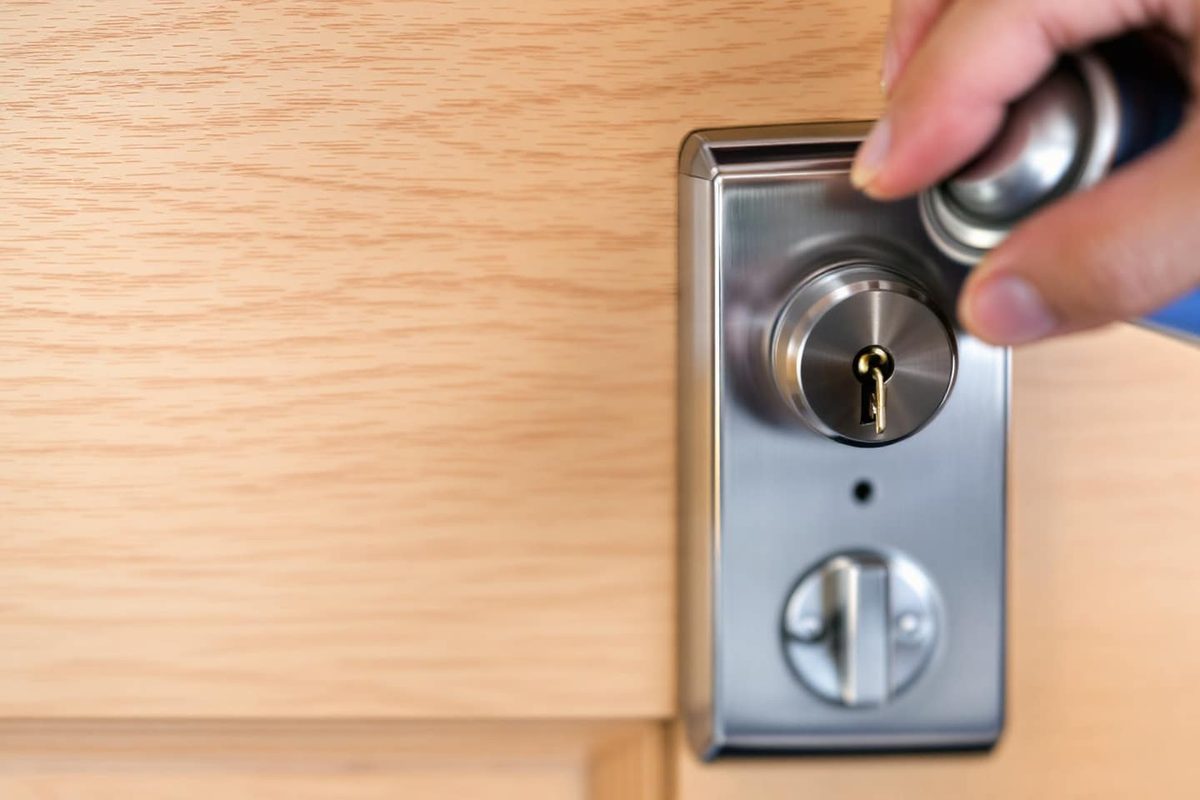
Insert your key. Turn it slowly. Back and forth. Do not use force. Let the key do the work. You are mechanically spreading the lubricant into the tumblers and the plug. You should feel the resistance drop. The key will begin to turn smoother. If it still sticks, add one more tiny burst and repeat the motion.
The key is patience. Let the chemistry do the work. Force creates damage.
The Result
Within seconds, the lock should turn with ease. The door opens. No locksmith bill. No broken key. Just a well-maintained mechanism. This simple maintenance trick extends the life of your hardware significantly. It prevents the slow decay caused by dust and humidity.
Next time the key feels stiff, resist the urge to kick the door. Reach for the spray. It’s a small investment for a problem solved in minutes. The door is open. The tension is gone. But the maintenance doesn’t stop here. Keeping a lock working smoothly requires more than just a one-time fix.
[End of Part 1]
The spray trick works when you are stuck, but it is a bandage. Real peace of mind comes from knowing how to stop the problem before it starts. You can extend the life of every lock and avoid that sinking feeling of a jammed mechanism again.
Regular Maintenance: The Prevention That Saves Your Lock
The most effective habit is simple. Apply a specific lock lubricant once or twice a year. Do not overdo it.
Seasonal changes bring humidity, freezing cold, and dust. A discreet spray into the mechanism is enough to handle these threats. But here is the catch. Too much product attracts grime. It turns into a sticky paste that makes the lock worse. Less is more.
Simple Tips for a Fluid Cylinder Year After Year
Add these steps to your toolkit. They are not complicated, but they matter.
- Stop forcing the key. If it resists, do not crank it. Force bends pins and breaks springs. Reach for the spray instead.
- Shield the hardware. Direct rain and wind degrade metal over time. A simple awning or cover makes a huge difference.
- Avoid grease. Cooking oil or WD-40 is not the answer. These substances are too thick. They trap debris and damage internal springs.
- Consider graphite for old locks. If the cylinder is vintage, powdered graphite works well. For modern locks, stick to the dedicated spray lubricant.
Basic upkeep and a little attention prevent most headaches. It extends the lifespan of your security hardware. You get tranquility.
The Right Way to Lubricate
When a lock acts up, panic helps nothing. Risking damage with aggressive jiggling is a mistake. The solution fits in your hand.
Use a specific spray. Apply it directly into the mechanism. Insert the key. Turn it back and forth. This spreads the product evenly through the pins and tumblers.
Method and regularity are key. Doors open without effort. No bad surprises.
A small gesture yields a big result. Turn a lock issue into a minor anecdote. Simplicity often works miracles in DIY projects. Keep it simple. Keep it dry.