You love hummingbirds. You hate the buzzing cloud that usually accompanies them.
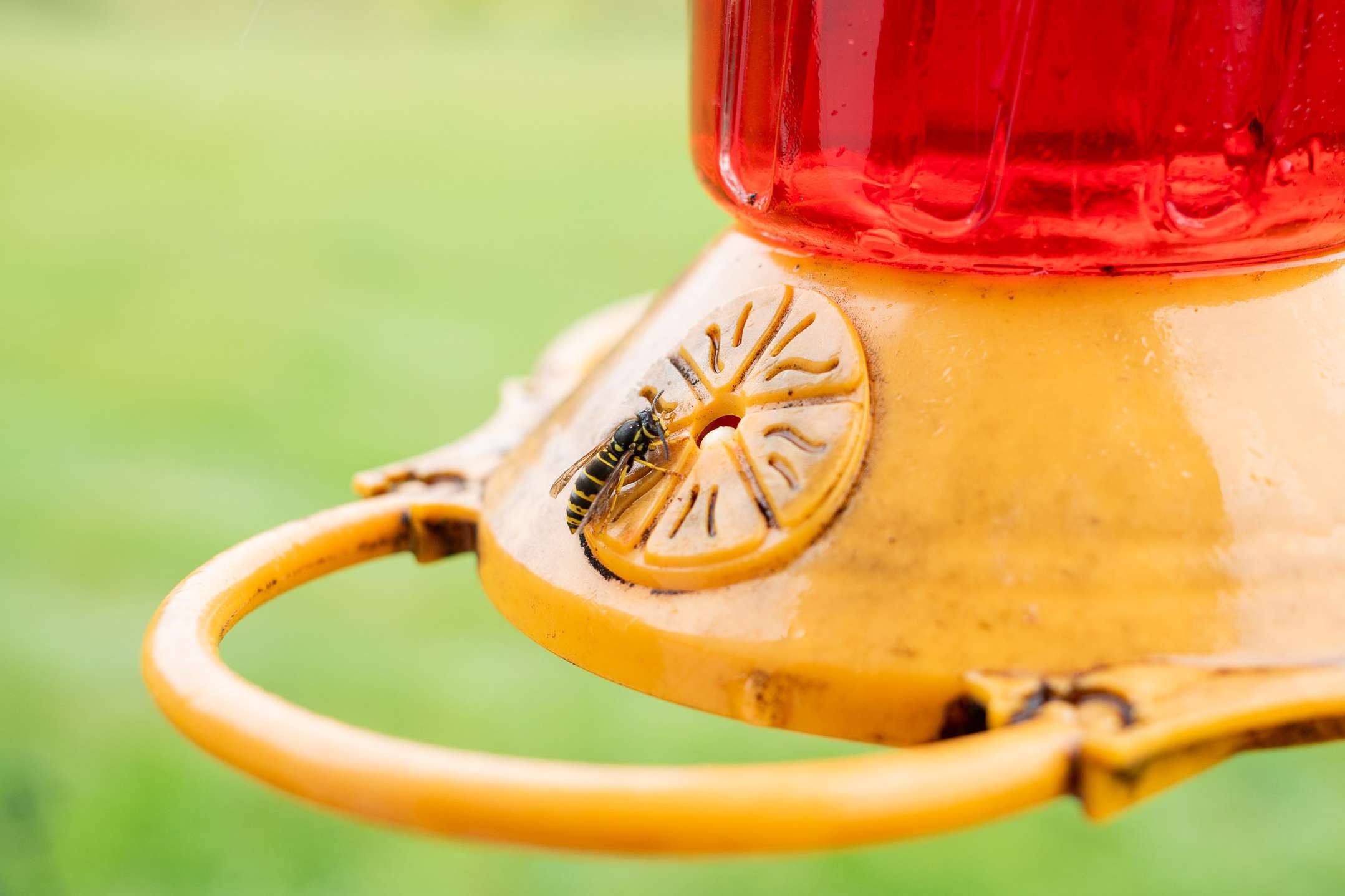
It is a classic garden conflict. You set out sugar water to watch those iridescent jewels dart by, only to have yellowjackets and honeybees crash the party. They drain the reservoir in hours. They crowd out the birds. And honestly? They are just annoying.
You want to keep the pollinators alive. You don’t want to spray poison. You just want the feeders to work for the birds, not the bugs.
Here is how you actually do it, based on advice from entomologists who study this exact headache.
Why Bees Ignore Your Warnings and Attack the Nectar
Bees and wasps are driven by hunger. When wild flowers are scarce, a hummingbird feeder looks like an all-you-can-eat buffet. It is high sugar, zero effort.
Once a scout bee finds your feeder, it doesn’t keep it a secret. It rallies the hive.
“Yellowjackets are extremely persistent when they found an easy food source,” says entomologist Chris M. Williams. “Once the easy-to-gather is found, it is difficult to dissuase the bees and wasps from returning”
That persistence is the problem. They remember. They return. They multiply at the port.
How to Keep Bees Out of Hummingbird Feeders Without Harming Them
Williams admits nothing is foolproof. Bees are smart. But layering these strategies works.
Avoid Yellow, Blue, and Purple Feed
Color matters. More than you think.
Hummingbirds see red. Bees do not. That is your primary defense. If your feeder is yellow, blue, or purple, you are waving a flag at every bee for miles.
Red is the safe zone. It screams “hummingbird food” and whispers “nothing here” to insects. Check the feeding ports too. If the plastic bits inside are colored, you are still inviting trouble.
Choose a Feeder Shape That Frustrates Insects
Gravity-fed tube feeders are basically open doors for bees. The nectar sits right there, surface-level, waiting to be sucked up.
Saucer-shaped feeders are different. They force the bee to contort itself to get a drop. A hummingbird’s long, thin tongue slips in easily. The bee? It struggles. It gives up. It flies elsewhere.
Install Bee Guards on Every Port
If you can’t change the shape, change the access.
Bee guards are small plastic cages that fit over the feeding hole. They block the body but leave the tongue path clear. You can buy these commercially. Or you can make them.
Williams recommends using an 8-mesh screen. Cut it. Bend it. Fit it over each port. The mesh holes are small enough to stop a bee’s body, but large enough for the hummer’s proboscis. It is simple engineering that works.
Clean the Feeder Weekly, No Exceptions
Spilled nectar is a beacon.
Drips dry into sticky residue. That residue smells like sugar to a bee from three yards away. You have to dismantle the feeder every week. Hot water. A small brush. Scrub the inside. Wipe the outside until it is spotless.
If it looks clean to you, it might still be sticky to a bug. Be ruthless with the scrubbing.
Dilute the Sugar Mix
Standard recipe: one part sugar to four parts water.
That is 25% sugar. It is potent. Williams suggests watering it down. Try one part sugar to five parts water. It is less sweet. Bees prefer the stronger concentrate. Hummingbirds will still drink it, though you might need to refill it slightly more often.
It is a trade-off. Less stickiness, less appeal to the pests.
Move the Feeder. Often.
Bees learn locations. Hummingbirds learn them too, but they are more flexible.
Move the feeder. Just a few yards. Every few weeks. It resets the insects’ memory map. The bees look for the spot, find nothing, and eventually move on to easier targets. The birds adapt.
Plant Flowers That Distract Bees
If you have a garden, use it.
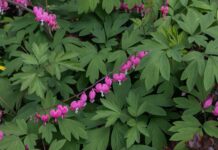
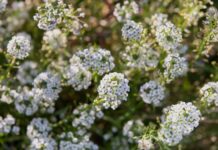
Plant bee balm, Mexican petunias. Zinnias. Butterfly weed. Lavender. These flowers offer nectar and pollen. Real food. If you provide a buffet elsewhere, they might not bother with your plastic feeder.
Plant flowers that bees love, and hummingbirds will enjoy them too.
It is a diversion tactic. Give them a better option.
Create a Separate Bee Station
Still too crowded? Build a decoy.
Find a shallow saucer. Fill it with sugar water (the diluted kind). Throw in some stones so bees don’t drown. Place this station far away from the hummingbird feeder—at least six feet, preferably more.
Refill it often. Check it daily.
It sounds like extra work. But it saves the feeder. The bees go to the saucer. The birds go to the port. You get both without the chaos.
Does it require effort? Yes. But watching a hummingbird feed in peace is worth the extra wash.