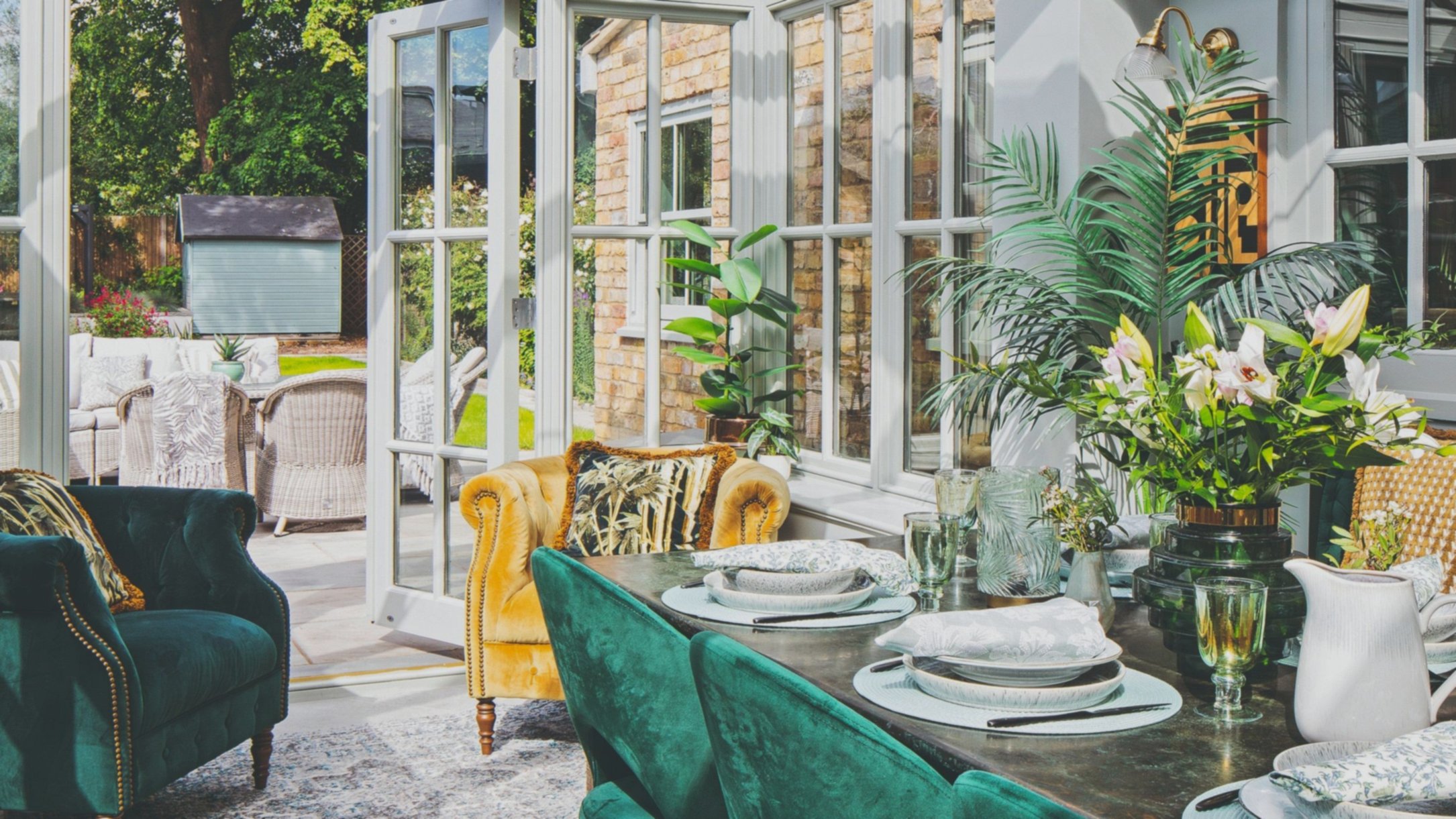
For many homeowners, a conservatory is a dream addition that offers a bright, sun-drenched connection to the garden. However, the very feature that makes them beautiful—vast amounts of glass—often turns them into “heat traps.” As summer temperatures continue to rise, many are left wondering if installing air conditioning is a smart upgrade or a costly mistake.
The challenge lies in the physics of the structure: glass provides minimal thermal insulation, meaning conservatories heat up rapidly in the sun and lose warmth quickly in the winter.
The Verdict: Is Air Conditioning a Good Idea?
Experts suggest that air conditioning is a viable solution, but its effectiveness depends entirely on scale and specification.
Because conservatories are difficult to regulate, a standard domestic unit may struggle to keep up with the intense “heat gain” from sunlight. According to industry specialists, the decision should be based on how you use the space:
- High-use spaces: If the conservatory is a regular living area, air conditioning can transform it into a functional year-round room.
- Sizing is critical: A unit that is too small will fail to combat the heat radiating through the glass, leading to inefficiency and discomfort.
- Orientation matters: A south-facing conservatory faces much higher thermal loads, requiring more powerful systems than north-facing counterparts.
Choosing the Right System: Portable vs. Wall-Mounted
When deciding on a cooling method, homeowners generally choose between two main categories. Each has distinct pros and cons regarding efficiency and comfort.
1. Portable Units
These are often the first choice due to their lower upfront cost. However, they are generally considered a short-term or occasional fix.
* Drawbacks: They can be noisy, take up floor space, and are less efficient.
* The “Ventilation Loophole”: Most portable units require a hose to be vented through a window, which can inadvertently allow warm air to leak back into the room.
2. Wall-Mounted Split Systems
For those seeking a permanent solution, split systems are the professional recommendation.
* Benefits: They are significantly quieter, more powerful, and much more effective at managing the high heat loads typical of glass-heavy rooms.
* Investment: While the initial cost is higher, they offer better long-term performance and comfort.
Maximizing Efficiency: It’s Not Just About the AC
Installing an air conditioner into a poorly insulated room is like trying to cool a house with the windows wide open. To get the best return on your investment, experts suggest a “layered” approach to temperature control.
Structural Upgrades
To reduce the workload on your AC unit (and lower your electricity bills), consider these structural improvements:
* Solar Control Glass: Using heat-reflective glass can significantly reduce the amount of thermal energy entering the room.
* Roof Upgrades: Replacing old polycarbonate roofs with insulated tiled roofs is one of the most effective ways to stabilize year-round temperatures.
* Skylights: Opting for heat-reflective skylights helps manage light without the excessive heat.
Passive Cooling Methods
Before investing in expensive machinery, try these cost-effective methods:
* Shading: Blinds, solar control films, or external roof shading can block heat before it enters the room.
* Ventilation: Since heat rises, opening roof vents or installing extractor fans can help flush hot air out of the top of the structure.
The Bottom Line: Value and Lifestyle
Beyond mere comfort, upgrading a conservatory can be a strategic financial move. While a poorly designed or unusable conservatory can actually devalue a property, a well-equipped one adds value.
“Well-designed conservatories can add 5-10% to a home’s value, and installing an integrated AC unit can provide an additional 2.5%,” notes air conditioning expert Tom Houlker.
Furthermore, modern units offer secondary benefits, such as air filtration, which can improve indoor air quality and provide relief for allergy sufferers by filtering out outdoor particles.
Conclusion
Air conditioning is a highly effective way to make a conservatory usable year-round, provided the unit is correctly sized for the heat load. For the best results, combine a permanent wall-mounted system with shading and insulation upgrades to ensure maximum comfort and energy efficiency.