Conservatories are a popular choice for homeowners looking to add light and extra living space without the heavy disruption of a full-scale extension. Because they often fall under “permitted development,” they frequently bypass the lengthy planning permission process and strict building regulations.
However, this ease of construction comes with a significant caveat: the legal status of your conservatory depends heavily on how it connects to your home. If you want to remove the door between your house and your conservatory to create a seamless, open-plan living area, you may inadvertently be breaking the law and devaluing your property.
The “Thermal Separation” Rule
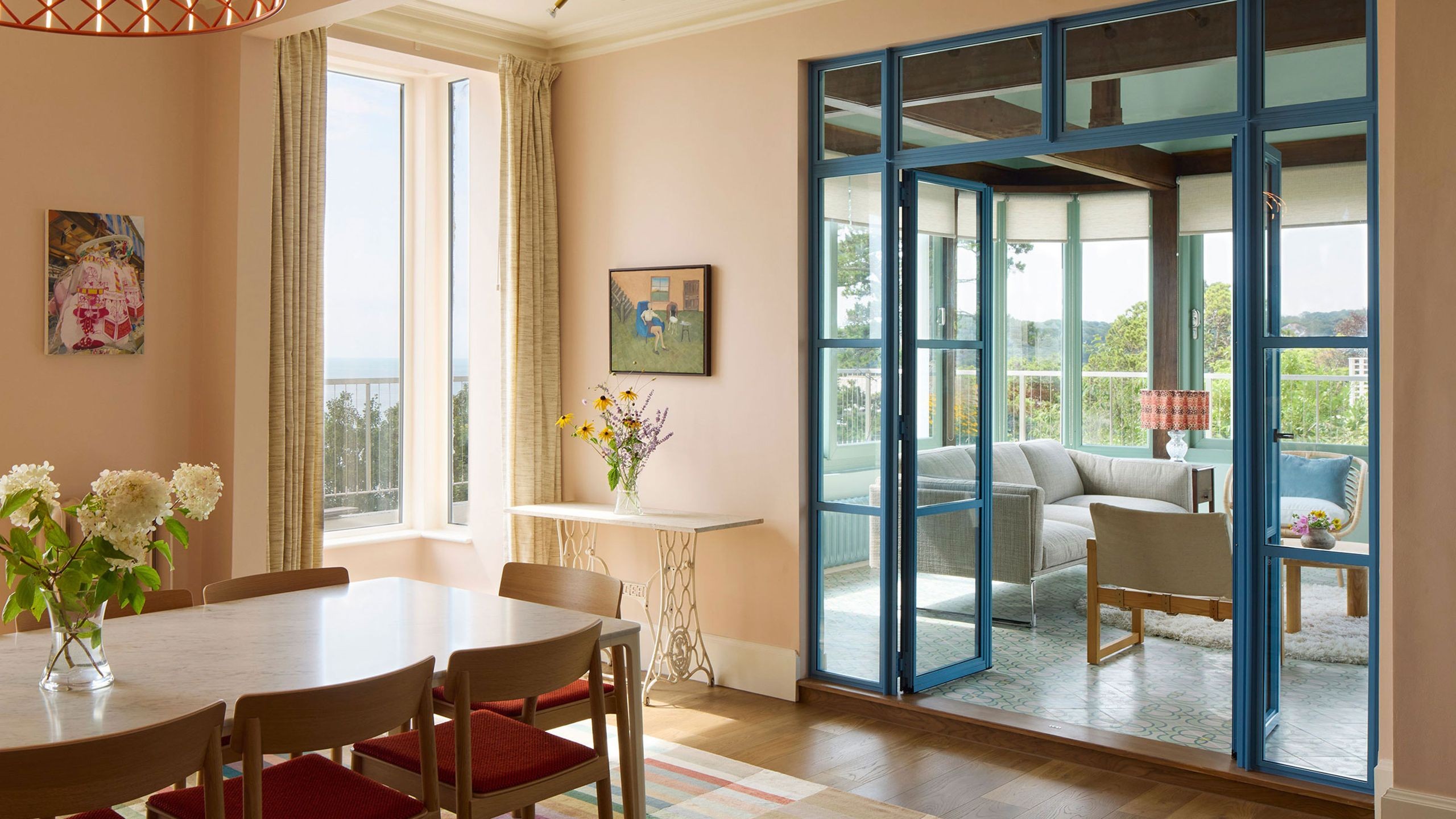
The primary reason many conservatories are exempt from building regulations is that they are treated as separate structures. To maintain this exemption, there must be a physical barrier—such as a door, wall, or window—separating the conservatory from the main house.
According to experts, this separation serves two vital purposes:
- Fire Safety: A physical barrier acts as a buffer, preventing a potential fire in the conservatory from spreading rapidly into the main living areas of the home.
- Energy Efficiency: Conservatories are notoriously difficult to temperature-control. A separating door prevents your main home’s heating system from working overtime to compensate for the heat loss in the glass structure.
The Bottom Line: If you remove the separating door to create an open-plan space without upgrading the structure, the conservatory is legally reclassified as an extension, and you are technically in breach of building regulations.
Transitioning to an Open-Plan Extension
If your goal is to merge the two spaces into one large, flowing room, you cannot simply knock down a wall. You must transition from a “conservatory” to a “full extension” by meeting much stricter standards.
To do this legally and safely, you should consider the following:
- Upgrade the Roof: Standard conservatory roofs are often insufficient for permanent living spaces. Experts suggest using retrofit roofing companies to improve insulation and thermal performance.
- Enhance Insulation: The entire structure must meet modern energy efficiency standards to ensure the new space is comfortable year-round.
- Structural Approval: Any new openings created in your home’s existing walls require formal building regulations approval.
- Fire-Rated Doors: If you choose to keep a door but want a more modern feel, ensure any new installations (such as bifold or sliding doors) are specifically fire-rated.
Maintaining Exemption: The Checklist
If you wish to keep your conservatory as a separate, exempt structure, it must generally adhere to these criteria:
* It must be single-storey and built at ground level.
* It should not exceed 30m² in size.
* It must have its own independent heating system with separate controls, rather than being tied into the main house’s central heating.
* All glazing and electrical installations must still comply with standard safety regulations.
Potential Pitfalls for Homeowners
The “Inherited” Problem
If you purchase a home where the conservatory is already open to the house without proper documentation, you may face issues during a future sale. While enforcement action is unlikely if the work was done years ago, solicitors will flag the lack of building regulations approval. In such cases, you may be forced to either reinstate the door or pay to upgrade the entire structure to meet extension standards.
Planning Permission vs. Building Regs
Do not confuse building regulations with planning permission. While many conservatories fall under “permitted development,” you may still need formal planning permission if you live in a listed building or a conservation area.
Summary for Homeowners
Expanding your living space via a conservatory is a smart move, but “opening it up” is a structural and legal transition. To avoid legal headaches and property devaluation, always consult a professional to determine if your project requires building regulation approval.