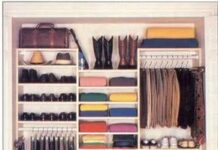
Men and women look different. Naturally, their wardrobes reflect that. Trying to force a shared closet into a fair compromise feels like a diplomatic negotiation between two very different species. You need a strategy. Without one, you get the “war of sexes” over hanger space. We are going to talk about how to split the real estate so nobody ends up camping out in the laundry room.
The Uniformity of Unisex Basics
Let’s get the boring stuff out of the way first. Slacks. Belts. T-shirts. These items are essentially gender-neutral in storage needs. They don’t demand special treatment. You can stack these, fold these, or hang these with minimal fuss. The friction point isn’t here. It’s in the rest of the inventory.
Why Gender-Specific Storage Matters
A woman’s closet is a museum of specialized items. We’re talking dresses. Skirts. High heels. Handbags. Necklaces. These things have structural requirements. A handbag needs structure. High heels need specific shelf depths. You can’t just shove a stiletto into a drawer designed for men’s loafers. It doesn’t work.
Men’s wardrobes are a different beast. Suits. Shirts. Ties. Jackets. Sweaters. The equivalents exist, but the dimensions are off. Men’s garments tend to be longer. A suit coat hangs lower than a woman’s blazer. This isn’t just about aesthetics. It’s about cubic footage.
The Efficiency of Double-Rodding
Here is where the geometry gets interesting. A man’s side of a his and her closet can be optimized for density. Why? Because nothing he owns is particularly long. A suit jacket. A shirt. You can install a double rod. Hang the pants or shorter shirts below the main hanging rail. Double-rod everything.
Shoe shelves on the male side don’t need to be tall. Dress shoes or running shoes are low-profile. You can stack them without wasting vertical air. This is space efficiency. It’s clean. It’s functional.
The woman’s side is the bottleneck. You cannot double-rode a full-length gown. It won’t fit. Dresses require full-length hanging space. That’s non-negotiable. If you try to force a maxi dress under a double rod, you’re going to wrinkle the fabric and ruin the silhouette.
Then there are the accessories. Knee-high boots. Wide-brimmed hats. These items are vertical giants. They eat up shelf space that could otherwise be used for folded sweaters. If you don’t plan for them, they end up on the floor. That’s chaos.
Zoning for Vertical Height
So how do you actually divide the square footage? You look at the vertical axis. The man’s side gets aggressive double-rodding. The height of the shoe shelves stops just above the highest boot or shoe in his collection. That’s it.
The woman’s side requires custom adjustments. You need enough clearance for dresses. You need wider shelves for handbags. You need higher vertical spaces for those knee-high boots. It’s not just about hanging clothes. It’s about accommodating the silhouette of the item.
The Logistics of Division
The next section breaks down the actual mechanics of this division. We’re looking at shelf heights. Rod placements. And the specific measurements that make the system work for both partners.

You can’t just throw clothes into a closet and expect it to stay tidy. You need standard operating procedures. Think of this like setting up a workshop. If you don’t have a system, chaos wins. Control your space by defining how items are handled before you even hang them.
Remove Belts from Pants
Start with slacks, skirts, and dresses. Take the belts off. Leaving them on stretches the fabric out of shape. Put the belts on a dedicated rack instead.
When you hang slacks, match the inside seam to the outside seam at the bottom edge. Hold the pants at the hem. You’ll see the natural crease line form. Don’t button or zip them up. That misaligns the crease. Just follow the line to the waistband. Gently fold the zipper and placket into the crease. Fold the pants near the middle of their length. Slide them onto the hanger. Keep that fold centered on the bar.
You might want to hang slacks by their full length using a clamp hanger. Be careful. These can leave pressure marks on cuffs and waistbands. Getting those marks out is difficult. If you can avoid them, do it.
Button Up and Organize Bags
For blouses, shirts, and dresses, fasten the buttons. Top button? Sure. Top two? Fine. Every other button all the way down? Best of all. This prevents wrinkles. It keeps collars straight. It stops the placket from twisting.
The worst habit you can develop is pulling a garment off a hanger by the fabric. Don’t do it. Take the hanger off the rod first. Then unbutton the garment from the hook. It takes a second longer. It saves the clothes.
Handbags go on shelves or in cubbyholes. Face them all the same direction. Keep them upright. Create divided compartments. Assign one color or a range from light to dark to each slot. Buckle or snap closures shut. If straps fit inside, tuck them in.
Create a Dividing Line
A his and her closet needs a divider. Real or imaginary. It separates “his” side from “her” side. But don’t let the line ruin the function. The goal is usability for both people.
The simplest fix? Install a wall in the middle, or near the middle. Once you agree on that line, treat each side as a separate entity. A woman’s closet. A man’s closet. They can have different needs.
Women usually get more space. They tend to own more categories of clothing. And more items within each category. Men’s wardrobes are often simpler. Adjust the square footage accordingly.
Keep a Clean Floor
In this design, nothing touches the floor. No supports. No appointments. It’s not just aesthetic. It’s practical.
You can run a vacuum or dust mop into every corner. Dust collects everywhere. Reach it all. Many shelves hold sweaters and shoes in transparent Lucite drawers. These units are expensive. You can’t fit every pair of shoes or every sweater.
Use them for dressier, costlier shoes. The ones you wear seldom. Store the everyday kicks elsewhere.
Every part of your closet can be configured differently. You decide what works. Look at the design elements. Pick what’s productive for your situation. If your space is small, skip the drawers. Ditch the luggage rack. Leave out the dirty clothes basket. Simplify.
What happens when you finally step back and look at your organized space? Does it feel like a win or a compromise?


The Shared Space Strategy
Splitting a closet down the middle sounds logical on paper. In practice, it often becomes a source of friction. One person’s “organized chaos” is the other’s nightmare. Getting it right requires more than just buying two hangers. It demands a system that respects different storage habits while maintaining visual harmony.
Most couples fall into predictable traps. You buy matching bins and assume order will follow. It doesn’t. Clothes are messy by nature. Shoes don’t fit themselves. The key is defining zones that suit individual needs without encroaching on shared territory.
Start with the vertical space. Upper shelves are for out-of-season items or infrequently used gear. Keep those boxes uniform. Clear plastic works best so you can see what’s inside without digging. Label everything. Even if you think you’ll remember what’s in “Winter Sweaters,” you won’t in three years.
Lower areas need to be accessible. Drawer units work better than wire bins for folded items. They pull out fully. You can see every stack. No more tombstoning clothes in the back. Use dividers inside drawers. Socks, underwear, t-shirts. Each gets its own section. This prevents the “laundry pile” effect where one person’s clean clothes get buried under the other’s.
Hardware Matters
The hardware you choose sets the tone. Sliding rods can stick. Hanging rods should be at different heights if your sizes differ significantly. But don’t go too crazy with adjustments. A single adjustable rod with multiple hole options is usually enough.
Shelving needs to be sturdy. Light wood or wire shelves sag over time. That sagging shelf makes folding difficult. A sagging shelf makes everything look messy. Opt for solid wood or heavy-duty wire with a powder-coated finish. It resists rust and holds weight.
Consider lighting. Dark corners hide clutter. Install LED strip lights under shelves. Motion sensors are a nice touch. They turn on when you open the door. No more fumbling for a light switch in the dark. Good lighting makes spotting a stain or a missing button easier. It also makes the space feel larger.
The “Stuff” Problem
Every closet has a “stuff” problem. That drawer full of cords. The bin of expired coupons. The shoes that don’t fit but you can’t throw away. These items eat up space. They create visual noise.
Create a “maybe” box. Put questionable items in there. If you don’t open the box in six months, donate it. This works for both partners. It prevents the hoarding impulse from taking over the shared space.
For shoes, use clear over-door organizers or stackable boxes. Avoid piles on the floor. Piles attract dust and look disorganized. Even if the shoes are expensive, they need a home. A dedicated shoe rack or a simple shelf with dividers works. Keep the same style of shoe storage for both partners to maintain symmetry.
Maintenance Routines
A neat closet doesn’t stay neat without effort. Establish a weekly reset. Ten minutes on Sunday. Hang up clothes that aren’t worn. Fold what’s been tossed on the chair. Vacuum or sweep the floor.
Make it a shared responsibility. Take turns. If one person forgets, the other steps in. Don’t let resentment build over chore distribution. The goal is a functional space, not a competition.