You cannot fulfill every wish list item. It is impossible. But you do not need to. Focus on the basics. Safety is the baseline for every child’s room. This applies to your baby. It applies to the teenager. It applies to you, really.
Start by inspecting everything. Furniture. Toys. Paints. Fabrics. Check them all. Even where you place the crib matters. Is it near the door? That placement decision involves risk assessment. You need to look closer at these details before you buy or build.
Baby Nursery Safety Essentials
The nursery is where it begins. Your baby’s first space requires constant vigilance. Sleeping safely is not just a preference. It is a requirement. You need specific decorating strategies that prioritize health and security over aesthetics.
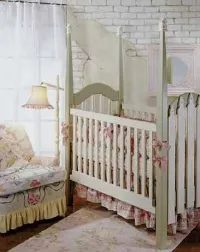
Consider the crib’s location. Avoid placing it under windows. Keep it away from blind cords. Choose non-toxic paints. Look for firm mattresses. Every choice reduces risk.
The Toddler Transition
Toddlers are different. They are mobile. They are curious. They are dangerous to themselves. The “terrible twos” phase means your decor must withstand impact and climbing. Secure heavy furniture to the wall. Cover outlets. Round sharp corners. Your decorating ideas must cater to their need for exploration without the risk of injury.
Older Kids and Specific Needs
Preschoolers need space for active play but also quiet corners. Grade-schoolers require organized storage for school supplies and toys. Preteens seek privacy and personal expression. Teenagers want a retreat that reflects their style.
For teens, involve them in the process. Collaborate on the design. This ensures the room suits their taste while maintaining safety standards. You get a safe space. They get a stylish one.
Key Safety Considerations by Age Group
- Babies: Focus on sleep safety. Firm surfaces. No loose bedding. Proper crib spacing.
- Toddlers: Anchor furniture. Childproof locks. Soft flooring.
- Preschoolers: Secure shelving. Safe art supplies.
- Grade-Schoolers: Ergonomic desks. Secure window treatments.
- Preteens/Teens: Ventilation. Emergency exits. Balanced decor.
Next Steps for Safe Decor
The following pages detail these specific strategies. Start with the baby nursery. Then move to the toddler. Then the older children. Each stage has unique hazards. Each stage requires different solutions.
Explore more ideas in these categories:
– Kids’ Rooms
– Baby Nursery Decorating Ideas
– Toddler Bedroom Decorating Ideas
– Kids’ Bedroom Decorating Ideas
– Teen Bedroom Decorating Ideas
– Playroom Decorating Ideas
– Kids’ Bathroom Decorating Ideas
Safety Tips for a Baby’s Nursery
Begin here. Your baby’s room is the starting point for safe habits. Learn the tips that keep your baby sleeping soundly.
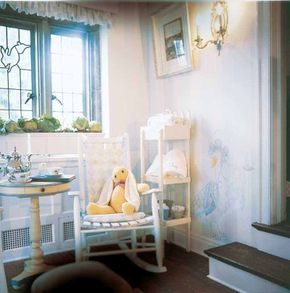
You need a safe sleep spot. A changing station. And a chair that won’t kill your back during those 3 AM feedings.
It sounds simple. It is simple. But getting it right matters.
Babies thrive on contact. Science backs this up. Physical and mental development relies on being held. Cheek to cheek. If you are exhausted, making that cuddle easy reduces stress for both of you. Do that first.
The Sleep Zone
Babies spend most of their time asleep. The bed is non-negotiable.
Bassinets are cute. They are also time-limited. Once the baby rolls, they are out. If you use one, ensure the base is rock-solid. No wobbling. Cradles have the same issue. If it rocks more than a few inches, the baby falls out.
A sturdy crib is the practical choice. Swaddle the infant. It mimics the tightness of the womb.
Here is the hard rule: No stuffed animals. No pillows. Except during play.
Use secure bumper pads. Thin blankets only. Anything thick can smother. Babies are clever. They will maneuver themselves into dangerous positions if you give them the space and soft materials to do so. Keep the sleep surface bare.
The Changing Station
This station gets hammered. Every few hours.
You can build one from a waist-high chest of drawers. Just add a guardrail. Add a waterproof pad.
Is it better than a dedicated changing table? Probably not for safety. A chest of drawers is versatile later. But a dedicated unit with a safety strap is safer now.
If you buy a unit, look for open shelves below. You need diapers and wipes within arm’s reach. One hand on the baby. One hand grabbing supplies. You cannot juggle three things with two hands.
Lighting and Atmosphere
Midnight trips need light. But not bright, blinding light.
Install an overhead dimmer. Wire it so you can switch it on from the doorway. You are groggy. You do not want to fumble for a switch near the crib.
For naps, you need room-darkening shades. Blackout curtains work best.
Visual Stimulation
Newborns see in black and white. Subtle pastels mean nothing to them.
High-contrast colors work. Simple patterns. A circle with two dots and a curve? That looks like eyes and a smile. Babies love it.
If you hate stark black and white, pick a pastel base you can live with for years. Pair it with a dark or bright accent color you can paint over when the toddler years hit.
Or just stick to calm pastels. Use toys for visual stimulation instead.
Sound and Touch
Sight is weak. Hearing and touch are strong.
At birth.
Give them texture. Soft melodic sounds. Mobiles that move. Crib toys that play music.
Check the hardware. Hanging toys must be secure. No small detachable parts. Choking hazards are real.
Beyond the Nursery: Toddler Safety
Once the baby becomes a toddler, their reach expands. Their curiosity explodes.
The rules change. The next section covers safety for the older child.
To get more decorating ideas for your children’s rooms, check out:
-
Kids’ Rooms
-
Baby Nursery Decorating Ideas
-
Toddler Bedroom Decorating Ideas
-
Kids’ Bedroom Decorating Ideas
-
Teen Bedroom Decorating Ideas
-
Playroom Decorating Ideas
-
Kids’ Bathroom Decorating Ideas
Safety Tips for a Toddler’s Room
Prioritize Stability and Clean Surfaces
Once a baby figures out how to crawl, the safety stakes skyrocket. They are mobile, curious, and fully capable of reaching things they shouldn’t. They see colors clearly now. They don’t, however, understand that a beautiful mural on the wall is just paint. Don’t get carried away with complex themes yet. Keep the design simple. Focus your energy on making every square inch of the room safe and clean.
Start with the basics. No hanging tablecloths that can be yanked down. No exposed electrical outlets within reach. Keep breakable or heavy items off tables and shelves entirely. Sharp corners? Cover them or move the furniture. If a toddler can grab it, they will pull it down.
Sturdy Furniture and Floor Safety
Toddlers are natural climbers. They use any vertical object to pull themselves up to a standing position. Choose furniture that is heavy and stable. A wobbly chair is a hazard. A lightweight dresser is a tip-over risk.
For the inevitable falls, the floor needs to be forgiving. Vinyl resilient tiles and wood flooring are softer than ceramic tile or stone. If you have hard floors, add carpeting or rugs. If you skip wall-to-wall carpeting, use slip-proof pads under every rug. Slipping is just as dangerous as falling. Nonslip rugs make a massive difference on any surface.
When to Ditch the Crib
Watch your child closely. Depending on their height and activity level, you may need to switch to a low youth bed now. If there is even a chance they can climb out of the crib, do it. Waiting until they escape is too late. A fall from a crib can cause serious injury. A toddler bed with low sides is safer.
Preparing for the Next Stage
This phase ends when they outgrow the toddler limitations. The next stage brings new challenges. You will need to adapt the space as they grow into preschoolers. The rules change. The risks change. Keep the foundation solid now. The rest can wait.
Explore More Room Ideas
Looking for broader inspiration? Check these categories:
- Kids’ Rooms
- Baby Nursery Decorating Ideas
- Toddler Bedroom Decorating Ideas
- Kids’ Bedroom Decorating Ideas
- Teen Bedroom Decorating Ideas
- Playroom Decorating Ideas
- Kids’ Bathroom Decorating Ideas

By age two, the world is suddenly vivid. Colors pop. Details matter. And movement is no longer a tentative crawl but a full-speed sprint. You can finally decorate with intention, leaning into storybook whimsy or cartoon favorites. But here is the hard truth: don’t overinvest. A toddler’s tastes shift like sand. Spend big on durability and safety, not fleeting trends.
Keep safety in mind, and avoid decorative items with small parts — anything reachable will be subjected to a taste test!
The Great Transition: From Crib to Bed
If they haven’t left the crib yet, this is the window. Youth beds—sports cars, rocket ships, castles—look great in catalogs. In reality, their appeal is often short-lived and the build quality is questionable. Skip the gimmick if you’re skeptical.
The practical alternative? A good-quality twin box spring and mattress on the floor. It’s an interim solution, lasting maybe a year or two, but it eliminates the fall risk and saves you from a major purchase that might gather dust. Add a colorful, washable comforter and you’re done. It’s clean. It’s safe. It works.
Taming the Toy Chaos
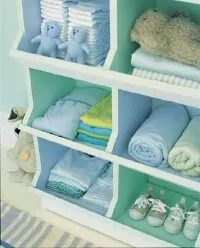
Storage is paramount. Kids accumulate playthings at an alarming rate but are easily overwhelmed by cleanup. Simplify the process. Use low, open storage bins, baskets, and shelves. Choose pieces with smooth surfaces and rounded corners. No sharp edges. No pinch points.
Under-the-bed storage drawers on wheels are a game-changer. They keep less-used items accessible but off the floor. A classic toy chest with a flat top doubles as a play surface and storage. Just reinforce the hinges and remove the lock. You don’t want fingers getting trapped.
For clothes, a low chest of drawers is usually sufficient. Add a few low, rounded pegs for jackets, overalls, and robes. Hangers are a hassle for small hands. Either plan to hang dressy outfits yourself or provide extra pegs so your child can help without frustration.
Living Room Integration
Toddlers want to play wherever you are. So, integrate storage into the family room. If you have the space, dedicate low shelves for toys. If space is tight, station a couple of large, handsome baskets in the room. Cleanup takes seconds. Chaos disappears.
Flooring That Withstands Life
Children this age play on the floor. Make sure it’s clean and comfortable. Wall-to-wall carpeting offers comfort but suffers badly under craft projects and spills.
Consider layering. A washable rug or two over resilient or wood flooring works well. Avoid using carpeting remnants over existing carpets or rugs; the rough burlap backing will damage what’s underneath.
Avoid very dark or very light solid colors. They show every spill and stain. Opt for midtone hues with gray, brown, or taupe undertones.
- Choose olive green instead of lime green.
- Pick royal blue instead of baby blue.
- Go for teal instead of turquoise.
- Select burgundy instead of bright red.
- Use mauve or antique rose instead of pink.
A strongly patterned rug in midrange jewel tones, including most Oriental rugs, hides stains better and adds timeless style.
Furniture That Fits
Child-size tables and chairs come into their own now. Affordable sets at ready-to-finish shops are charming. Customizing pieces yourself might make them treasured heirlooms.
That small table can become a lamp table later. Small chairs work as timeless accents for potted plants on the porch or a stack of towels in the bath.
Tight on space or budget? A round-cornered end table and a footstool or ottoman can stand in as pint-size furniture. Just check the proportions. Let your child try it out. Is there enough table surface to spread out projects? Do their feet fully touch the floor? If not, it’s not right.
Lighting and Nighttime Fear
Complete the room with a small bedside table for a lamp and storybook. If space is tight, a floor lamp works. Ensure it has a heavyweight base to prevent tipping during boisterous play. Never use halogen lights where children can reach them. They get dangerously hot.
Between ages two and five, children are mentally developed enough for scary thoughts but lack the ability to distinguish reality from fantasy. Even if you filter out violent TV, nighttime can still be frightening.
Close closet doors. Put on a small night-light. Provide a security blanket or “lovie” to cuddle. These items count for more than any decorative accessory. They provide comfort. They provide sleep.
School is coming. It’s another scary step. For now, focus on the safety and functionality of the current space. The next phase is just around the corner.
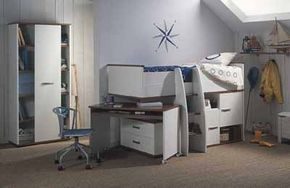
Kids between six and eight start having actual opinions. They can tell you what they want. They just can’t always distinguish between a fantasy and a physical possibility. You have to translate their wild ideas into something buildable. If your child insists on sleeping in a tree house, compromise with a bunk bed that has a trompe l’oeil mural of leaves. It gives them the dream without the structural danger.
Movies and cartoons rule this age. A single border of strippable wallpaper or a matching pillow can satisfy a hero obsession. It’s low effort, high impact.
Bedding and Safety Standards
Most six-year-olds are ready for a loft bed. Or a bunk. Safety is the only hard line here. Upper berths need rails on both sides. The mattress must sit below the top rail. No gaps. If the room is small, a loft bed with a desk underneath is a clever hack. You get vertical space back. You can often fit two of these units into a tight shared bedroom.
Sleepovers change the game. Suddenly, you need extra sleeping arrangements. A trundle bed is the gold standard. An inflatable mattress works too. So does a sleeping bag on a rug. But you have to handle the logistics. Young guests need safety. Install a night-light in the bedroom and the bath. Add a lighted path to the bathroom. Dark halls are scary for kids.
Setting Up the Study Zone
By age eight, the tiny table and chairs are gone. If you haven’t installed a desk, do it now. Even if your kid does homework at the kitchen table, they need a dedicated spot in their room. It’s about habit building. Stashing paperwork. Starting work.
Plan for a student desk. Or a full-size desk with an adjustable chair. Add a two-drawer file cabinet. Storage matters here. If your child uses a computer anywhere in the house, ensure the desktop allows for strain-free posture. Kids shouldn’t fight backaches while trying to focus on math. Good task lighting is non-negotiable. Prevent eyestrain. Put a lamp on the desk. Put another by the bedside.
Taming the Toy Explosion
Toys multiply. Rapidly. The choking hazard is past. Now you’re dealing with tiny Lego blocks and Barbie shoes migrating across every surface. You need storage. Cubbyholes. Drawers. Compartments. Be inventive.
If you want your child to help clean up, use open storage containers that look good. But don’t expect perfection. Systems that require neat folding rarely work. Toss-it-in systems are better. Let them stack or throw. As long as similar items are grouped and off the floor, you’ve won.
Clearing the Clutter
To clear space, kids this age might part with old clothes or toys. They might also be ambivalent. Don’t force it. Some kids get altruistic. Donate to those in need. Others prefer a garage sale. Let them keep the cash from old items. That’s a powerful motivator.
If all else fails, move outgrown items to the attic. Or the basement. Store them for later. The goal is simple: make room for everyday living. Kid style.
Preparing for the Preteen Shift
The transition from grade-schooler to preteen is coming. The room will need to change. It has to. Safety and style will shift. Get decorating ideas for a safe preteen space on the next page.
To get more decorating ideas for your children’s rooms, check out:
-
Kids’ Rooms
-
Baby Nursery Decorating Ideas
-
Toddler Bedroom Decorating Ideas
-
Kids’ Bedroom Decorating Ideas
-
Teen Bedroom Decorating Ideas
-
Playroom Decorating Ideas
-
Kids’ Bathroom Decorating Ideas
Safety Tips for a Preteen’s Room
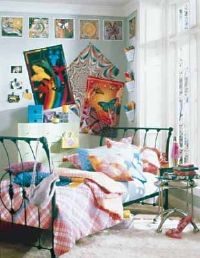
Kids aged nine to twelve sit in that awkward, electric limbo between childhood and the teenage years. It is a time where bedroom decor stops being about “cute” and starts being about identity. Their rooms become the primary stage for self-expression and the first line of defense for peer approval.
Toys don’t disappear, but their role shrinks. Suddenly, hobbies, collections, electronics, music gear, and clothes take center stage. All this stuff needs to go somewhere. That’s where the design challenge begins. You can turn storage into decoration, but only if you plan it out.
Preteens and teens want control. They want a real hand in how their space looks. Encourage that. Let them display equipment, trophies, and motifs that symbolize their accomplishments. Just make sure you leave wall space for the inevitable celebrity posters and memorabilia. They need to see themselves represented in their own four walls.
The Fabric-Covered Bulletin Board
One of the best investments you can make for this age group is a large cork bulletin board. We are talking 22×26 inches or larger. But don’t just hang raw cork. Frame it stylishly. Cover it in kid-friendly fabric.
This is where you get creative. If your kid loves rainbows, use a rainbow fabric. If they are into race cars, go with that. For a more ageless, chic look that won’t look childish by age thirteen, consider a leopard or zebra skin print. Jewel-tone stripes work well. Funky patterns that match the room’s color scheme are a safe bet. It keeps the board useful but elevated.
Ditch the Bunks, Embrace the Daybed
Bunk beds and other childish structures usually fall out of favor around this time. Unless your kid is obsessed with the setup, they are likely done with them. A bunk bed set that converts into two twin beds or a daybed with a studio apartment vibe meets their needs better.
Girls may start wanting a dressing table. Student desks from the early years might be outgrown. The open-bin storage units from toddlerhood? Useless now.
If you bought furniture with an eye to the future, a classic twin bed or a daybed with a trundle will hold up. If not, now is the time to upgrade. A full-size (double) bed is a smart move. Or a more grown-up-looking twin bed. Dressers and chests of drawers gain new importance. Hutches or bookcases with open shelving are essential for displaying trophies and other treasures.
The Desk Setup and Internet Risks
A full-size desk and an adjustable-height chair are non-negotiable now. Many preteens prefer doing homework in their rooms. They need ergonomic support.
Internet safety is a real concern here. Unsupservised use can be dangerous. But a computer is likely a schoolwork necessity. You might want to designate the bedroom desk for paperwork and simple project typing. Leave the Internet-connected computer in the family room. It’s a boundary that works for many families.
Wherever they work, they need good task lighting. Position it so there is ample illumination on pages. No glare on the computer screen. Simple physics that prevents headaches and eye strain.
Floor Space and Clothing Chaos
Preteens don’t play on the floor much anymore. They do love to lounge there, though. If you have a “no messy snacks in the bedroom” rule down pat, you might indulge them in a new carpet. New rug or not, a few big colorful floor pillows will be an instant hit with the after-school and sleepover crowd.
Clothes become everything at this age. They are more interested in what they wear than ever before. Unfortunately, they are seldom more interested in taking care of those clothes.
Plenty of drawers, cubbyholes, or shelves can make it worth their while to be neater. When everything is visible, it is easier and faster to put together outfits on rushed school mornings. Hooks or pegs still work better than hangers for the casual stuff, but you can start the switch. Offer some hangers. Let them experiment.
If you are waiting until your preteen is a little older to redecorate, you will find safe decorating tips for teen bedrooms on the next page.
To get more decorating ideas for your children’s rooms, check out:
- Kids’ Rooms
- Baby Nursery Decorating Ideas
- Toddler Bedroom Decorating Ideas
- Kids’ Bedroom Decorating Ideas
- Teen Bedroom Decorating Ideas
- Playroom Decorating Ideas
- Kids’ Bathroom Decorating Ideas
Safety Tips for a Teenager’s Room
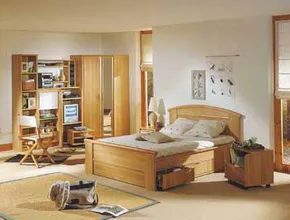
Updating the Space for Adulthood
If you missed the window for preteen updates, the clock is ticking. Now is the time to step up the design game. The goal isn’t just a fresh look; it’s a space that withstands the chaos of growing up. You and your teen should collaborate. A shared vision prevents resentment later. Start small. New paint is cheap. A fresh bedspread costs little but makes a massive visual impact.
Furniture and Floorings
Hand-me-downs are not trash. They are raw material. A quick sanding and a fresh coat of stain can turn a dated dresser into a modern statement piece. If you need new storage, look at ready-to-assemble units. Stores like IKEA or local equivalents offer customizable options. A computer armoire or a hutch desk can anchor the room without breaking the bank.
Flooring sets the tone. Skip the pastel velvet carpets. They stain easily. They scream “childhood.” Instead, choose robust tweed midtones. They hide dirt. They last longer. Oriental-style rugs with jewel tones add an opulent touch. They mimic the aesthetic of a grown-up’s home. This matters. Teens want to feel independent.
Replace beanbag chairs. They look juvenile. Swap them for a small, sturdy easy chair. It serves a dual purpose: guest seating and a reading nook. The more the room resembles a hip studio apartment, the better. This style translates well into college dorms or first apartments. It’s a practical investment in their future living skills.
Organization and Security
A dramatic bed frame grabs attention. But organization keeps the chaos at bay. If the budget allows, hire a professional closet consultant. They maximize every inch. Walk-in closets are dreams. But even small closets benefit from professional planning.
DIY is a valid alternative. Specialty retailers sell racking and stacking systems. You can install these yourself. Measure twice. Cut once. A messy closet leads to a messy mind.
Planning the Future
Large framed cork bulletin boards are essential. They hold posters. They hold memories. If you already have boards, refresh the fabric. Add extra panels if space permits. Teens have hobbies. They also have homework. And they have college planning.
Make it easy for them to organize their lives. A safe, secure space at home reduces stress. It provides a base of operations. Safety tips should be part of the renovation. Secure heavy furniture to walls. Check for outlet covers. These details ensure peace of mind for parents.
Resources and Credits
For more ideas, explore dedicated sections on kids’ rooms, nurseries, and playrooms. The transition from toddler to teen requires different strategies.
Mary Wynn Ryan has written extensively on interior design. Her books include The Ultimate Kitchen and Cottage Style. She understands how to blend function with style.
Heidi Tyline King covers arts, culture, and decorating projects. Her work in All About Paint and Wallpaper provides technical insight. Together, they offer a blend of aesthetic vision and practical advice.