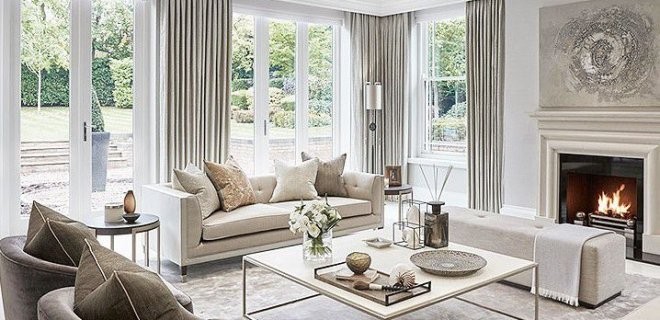
There’s a reason your feed is full of worn leather and brass fixtures. It’s not just an aesthetic choice. It’s a rebellion against the sterile, cookie-cutter look of big-box stores. Vintage decor brings character. It fills a room with history. But let’s be honest. Buying genuine antiques is expensive. And often, the pieces don’t fit modern plumbing or electrical standards.
The real trick isn’t spending thousands. It’s knowing how to source second-hand items and give them new life. You don’t need a restoration degree. You just need patience and a willingness to get your hands dirty.
Why Vintage Works Better Than New
Modern furniture often feels disposable. Vintage pieces have survived. They have stories. When you bring an old dresser into a bedroom, you’re not just storing clothes. You’re anchoring the space in time. The wear on the wood isn’t damage. It’s proof of existence.
“Second-hand items don’t just decorate a room. They define its soul.”
This style relies on asymmetry. It thrives on mismatched patterns that somehow work together. A 1970s shag rug under a mid-century modern chair. A floral pillow on an industrial sofa. The contrast creates visual interest. New stores rarely get this right. They aim for uniformity. Vintage embraces chaos.
Where to Start Sourcing
You don’t need to travel to Paris or London. Look in your own neighborhood. Thrift stores are obvious. But look deeper. Estate sales offer better finds. Garage sales are hit-or-miss. Online marketplaces like Facebook Marketplace or Craigslist can yield gold if you know what to type into the search bar.
Look for:
– Solid wood construction (avoid particle board)
– Heavy metals (brass, cast iron)
– Natural fabrics (linen, wool, velvet)
– Visible signs of wear (patina, scratches)
The goal is to find the skeleton. The structure must be sound. Cosmetic flaws can be fixed. Structural failure cannot.
The DIY Refresh: Tools You Actually Need
You don’t need a full workshop. Start simple.
Sandpaper : Grits 120 and 220. Start coarse to strip old varnish. Finish smooth for a new coat.
Paint : Latex or chalk paint. Chalk paint adheres well without priming. It’s forgiving for beginners.
Brushes : Synthetic bristles. Natural bristles hold water and swell. Stick to synthetic for latex.
Wax : For finishing chalk paint. Adds durability and a soft sheen.
Safety first. Wear a mask. Old paint may contain lead. Sanding releases dust into the air. Open windows. Turn on fans. Don’t skip the protective gear. It’s not worth the health risk for a dresser.
Step-by-Step: Refinishing a Wooden Piece
- Clean it. Use trisodium phosphate (TSP) or a heavy-duty degreaser. Remove years of kitchen grease.
- Strip it. If the finish is flaking, use a chemical stripper. Apply thickly. Wait. Scrape off.
- Sand it. Move with the grain. Never cross-grain. It leaves scratches that show through
### Add Lace for Instant Vintage Charm
When you think vintage decor, lace is usually the first detail that pops into your head. It’s not just for doilies anymore. You can use it on almost anything.
Think table runners. Bedspreads. Pillow shams. The range is wide.
It’s a quick way to shift the vibe in a room. No major overhaul needed. Just layer it on.
Match the style to your taste. Intricate floral patterns? Go for it. Simple geometric lace? That works too. The right touch changes the atmosphere instantly.
It’s about texture. Softness against hard surfaces. Old-world elegance mixed with modern lines.
Grab a piece of lace fabric or a finished item like a vintage tablecloth. Drape it. Tie it. Use it as a centerpiece runner.
It’s an easy win. Small change. Big impact.
Lace adds texture and softness. It transforms spaces without breaking the bank.
You don’t need to replace furniture. Just accessorize.
Which rooms need a softer touch? Try starting with the dining table or the bedroom nightstand.
It’s a simple swap. But it works.
Why a Focal Point Matters in Vintage Decor
You walk into a room. Most eyes drift to the loudest object. That is the rule. In vintage styling, you do not get to ignore this. You must create a focal point. Without one, a room feels flat. It feels like a waiting room.
Think of a living room painted in soft neutrals. Cream walls. Beige carpet. Boring. Now place a tall lamp with a shade covered in red flowers. Or hang a distressed clock on the wall. Suddenly, there is direction. The eye lands there. The theme locks in.
These small details matter more than you think. They tell the story. A single vintage clock is not just a timepiece. It is a statement. It says you care about history. About texture. About the past.
How to Choose Your Centerpiece
Do not scatter attention. Pick one spot. Let it shine.
- The Lamp: A floor lamp with brass details and a floral shade. Place it in the corner. Next to a reading chair. It draws light and attention.
- The Clock: A wall clock with a wooden frame. Maybe some wear on the edges. Hang it above a mantel. Or on a blank wall. It adds vertical interest.
- The Furniture: An armchair with velvet upholstery. Deep blue or forest green. It becomes the anchor.
“These details define the character of your room and strengthen the vintage theme.”
Where to Place It
Placement is everything. You cannot just throw an object in a corner and hope for the best.
- Eye Level: The focal point should be at or near eye level. Not too high. Not too low.
- Against Contrast: If your walls are light, choose a dark piece. If your walls are dark, choose a light or bright accent.
- Surrounding Space: Leave room around it. Do not clutter it. The eye needs a path to the focal point.
Tools and Materials Needed
You do not need a contractor. You need basic tools.
- Level: To ensure your clock or art hangs straight.
- Hammer and Nails: Or anchors if you are renting.
- Measuring Tape: To get the height right.
- Cleaning Cloth: Dust off the vintage piece before display.
Safety First
Vintage items can be fragile.
- Check the structure. Is the clock backing loose? Is the lamp shade stable?
- Use wall anchors for heavy pieces. Drywall alone will not hold a large mirror or a heavy clock.
- Keep flammable shades away from hot bulbs. Use LED bulbs. They run cooler.
Why This Works
A room without a focal point feels unfinished. It lacks intention. Adding one piece ties everything together. It gives the space personality. It makes the vintage style feel intentional, not accidental.
Start small. Pick one item. Hang it. Step back. Look at the room. Does it feel balanced? Does it tell a story? If yes, you are done. If no, adjust. Move the lamp. Change the clock. Find what works.
The rest of the room will follow.
The Case for Legs Over Bulk
Vintage style isn’t just about what you buy. It’s about what you don’t buy. You skip the heavy, floor-hugging dressers. You avoid the massive, monolithic sofas that anchor themselves to the subfloor. Instead, you look for legs. Specifically, those tapered, slender ones.
Think of the mid-century modern revival. Or the French Provincial aesthetic. Both share one trait: elevation.
Why leggy furniture works.
It’s visual weight. When a piece of furniture touches the floor with a wide base, it reads as heavy. Static. Dead. A sofa with exposed legs breaks up the floor space. It lets light pass underneath. It makes a room feel larger than it is. This is especially true in smaller homes or rooms with low ceilings.
Consider a dining table. A pedestal base is stable but bulky. Four tapered wooden legs? They recede visually. You can sweep the floor easier. A broom slides right under. Less dust bunnies. Less nagging about cleaning the “dead zone” under the sofa.
Sourcing the Right Pieces
You don’t need to buy new to get this look. In fact, buying new often gives you the opposite: chunky, modern joints and thick plastic-coated legs.
Where to look.
– Thrift stores: Look for solid wood items. Avoid particle board. If it’s light, it’s cheap. If it’s solid oak, maple, or walnut, it’s worth the lift.
– Estate sales: Older homes often have furniture from the 1950s-1970s. These were built with turned wood legs.
– Online marketplaces: Search for “tapered legs” or “spindle base.” Filter by pickup only. Shipping furniture with long legs is a nightmare. You’ll break them or pay a fortune.
What to avoid.
Skip any piece with a wide, solid skirt. Those are from the 80s and 90s. They trap dust and look dated. They also scream “rental property.” You want timeless. You want pieces that look like they’ve been in the family for decades.
DIY Fixes for Current Furniture
Maybe your current sofa has short, stubby feet. Or your table has a heavy, square base. You don’t have to throw it out.
Simple swaps.
Some furniture legs are detachable. Check the underside. If there are screws or metal plates, you can replace them. Hardware stores sell universal furniture legs. You can buy tapered wooden ones, metal hairpin legs, or brass casters. Measure the hole diameter. Match the screw thread. It takes ten minutes.
Adding legs where none exist.
If a piece has a solid base, you can sometimes add legs. You’ll need a drill and a jig. Mark the center of each corner. Drill pilot holes. Attach metal brackets. Screw on wooden legs. This works best with dressers or bookcases. Be careful with weight distribution. If you add four thin legs to a heavy bookshelf, you risk tipping. Add a cross-brace on the bottom if needed.
Balancing the Look
Leggy furniture is great. But too much of it can feel sparse. Or unstable. You need weight elsewhere.
Use rugs.
Why Neutral Tones Anchor Vintage Style
You do not need a palette explosion. In fact, the opposite is true.
Natural tones create that specific vintage warmth. They build harmony. Think cream. Soft gray. Black. Coffee brown. Beige. These are your workhorses.
Mix them with white and ivory. Use them on upholstery. Paint your walls. Lay down floors. The result is a grounded, cohesive look.
The Role of Wallpaper
Do not underestimate pattern.
Floral wallpaper is a staple. It breaks up the neutrality. It adds character without overwhelming the space.
Stick to pink and white tones.
This combination supports the vintage vibe perfectly. It feels nostalgic but not dated.
Practical Application
Start with the large surfaces.
- Paint walls in ivory or cream.
- Choose beige or gray for flooring.
- Select furniture with coffee or black accents.
Layer the pink and white floral wallpaper on one accent wall.
This creates depth. It stops the room from feeling flat.
The key is restraint. Let the natural tones dominate. Use the patterns for interest. The balance feels intentional. It feels lived-in.
Is your current palette too stark?
Try introducing a cream sofa. Add a gray rug. Hang those floral curtains.
It shifts the energy. Suddenly the room breathes. It feels softer. More welcoming.
That is the power of natural color. It does not shout. It whispers.
Elbiseyi ellerine al. Ağırlığına dikkat et. Kumaşın dokusunu parmak uçlarınla hissede. Bu hisseden bir şey gelmiyorsa, ya sahte bir modern kopyadır ya da çok iyi korunmuş ama “gerçek” olmayan bir şey. Vintage nedir diye soruyorsan, cevap basit ama ince. Vintage, en az yirmi yıl eski olmalı. Ama sadece yaşlı demek değil. Tasarım önemli. Kalite önemli. Ve en önemlisi, o dönemin ruhunu taşıyor olması.
Konfeksiyon devri başladıktan sonra üretilen her şey “antique” veya “retro” olabilir. Ama vintage, o dönemin üretim tekniklerini, kumaş seçimlerini ve estetik anlayışını yansıtan parçadır.
Gerçek Vintage Kıyafetleri Nasıl Ayırt Edersin?
Tee-shirtin etiketine bak. Dikişleri incele. Butonları kontrol et.
Modern üretimde polyester, naylon gibi sentetik lifler çok yaygındır. 1980 öncesi parçalarda ise yün, pamuk, ipek veya keten gibi doğal lifler baskındır. Bu, kıyafetin nefes almasını sağlar. Sentetikler terletir, doğal kumaşlar teri emer. Bunu unutma.
Etiket incelemesi yaparken şunlara dikkat et:
* Dikiş detayları: Eski parçalarda dikişler daha sık ve ince olur. Makine dikişi yerine el dikişi izleri görmek harika bir işaret.
* Butonlar: Plastik butonlar 1950 sonrası yaygınlaştı. Öncesinde korno, kabuk, ahşap veya metal butonlar kullanılırdı.
* Fermuarlar: Eski bir fermuarın çekicisi metal olur. Çekik kısmı da metal. Modern plastik fermuarlar daha yenidir.
* Baskı ve Desen: Eski baskı teknikleri (serigraf gibi) daha kalın ve dokulu hissettir. Dijital baskılar düzdür.
Bir gömleğin içindeki etiketi çıkart. “Made in USA” yazıyor mu? “Made in Italy”? O dönemlerdeki üretim yerleri, kalite standartlarını da belirler. Amerika’da üretilmiş 1970’lere ait bir denim kot, bugünkü Çin üretimli bir kottan çok daha dayanıklıdır.
Eski Eşyalarda Ne Aramalısın?
Kıyafetler kadar ev eşyaları da vintage arşivinde önemli yer tutar. Mutfak dolabını aç. Bir tabak ya da bardak ele al.
Altındaki işaretlere bak. Porselen, seramik veya cam parçaların altında marka logosu ve desen kodu vardır. Bu kodları internetten aratmak