Winter isn’t just for hiding indoors. While your garden might look like it’s sleeping, January is actually a critical window for intervention. You might think letting nature take its course is the safest bet. It isn’t. There is a simple, low-effort task that yields massive returns if you do it right now.
It’s time to scrape the soil.
No, not with a shovel. Not deep. Just a light raking of the top layer around your trees and shrubs. It sounds trivial. But skipping this step could cost you healthily later in the season. Here is why that specific January gesture matters and exactly how to execute it without damaging your landscape.
The Hidden Benefits of Surface Cultivation
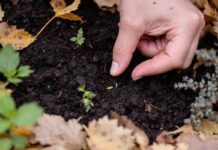
Scraping the earth—often called surface cultivation or light hoeing—is about breaking up the crust. In winter, rain and freeze-thaw cycles pack soil particles tight. This compaction is bad news for roots. When you use a cultivator or a simple garden claw to scratch the surface, you are undoing that damage.
1. Restoring Airflow to Roots
Roots don’t stop working in winter. They just slow down. They still need oxygen to maintain basic cellular functions. Compacted soil suffocates them. By grating the surface, you create pathways for air to reach the root zone. This aeration is non-negotiable for plant survival during dormancy.
2. Waking Up Microbes
Your soil is an ecosystem. Bacteria, fungi, and earthworms are busy beneath the surface. A sealed-off soil surface starves these organisms of oxygen. Loosening the top inch gives them a boost. These microbes are the engine of soil fertility. They break down organic matter and release nutrients your trees will desperately need when spring hits.
3. Preventing Water Runoff
Have you ever seen water pool on a garden path during a rainstorm? That’s surface crusting. Water beads up and rolls off instead of sinking in. This leads to waterlogged roots and potential rot. Scraping the soil breaks that hydrophobic layer. It allows moisture to infiltrate evenly. This is particularly important in areas with heavy clay soils.
Why January Beats December or February
Timing is everything in gardening. Why rush in January when it’s cold? Because the conditions are uniquely favorable.
The Soil is Workable, Not Frozen
In many climates, the ground isn’t frozen solid in January. The surface thaws during the day. It’s plastic and easy to manipulate. Digging in deep frost damages soil structure. Waiting until spring might mean the soil is already too wet or already sprouting, making disturbance harder. January is the sweet spot.
Early Pest Control
Overwintering pests are hiding in the soil. Larvae, fungus gnats, and fungal spores sit on the surface or just beneath. Turning that top layer exposes them. It brings them into contact with winter air and natural predators. It’s a passive defense mechanism. You don’t need chemicals. You just need to disrupt their hiding spots.
Preparing for Spring Surge
Trees mobilize resources weeks before you see green leaves. If your soil is compacted, that resource uptake is inefficient. By preparing the bed in January, you ensure the root system has zero resistance when growth triggers. It’s about setting the stage before the curtain rises.
How to Scrape Soil Without Destroying Your Trees
This isn’t excavation. It’s maintenance. Here is how to do it safely.
Choose the Right Tool
Use a hand cultivator, a garden claw, or a stiff rake with flexible tines. Avoid sharp shovels. You want to scratch, not slice. A tool with curved tines is ideal for lifting and aerating without cutting through roots.
Watch Your Depth
This is where most people fail. Do not dig deep. Two to five centimeters is enough. Anything deeper risks severing feeder roots. These fine roots are responsible for most water and nutrient uptake. Damage them, and the tree suffers for years. Think of it as a gentle massage, not a surgery.
Keep Distance from the Trunk
Never scrape right against the bark. Leave a twenty-centimeter radius clear around the trunk. This protects the cambium layer. It also prevents moisture from pooling against the wood, which can cause rot. Start your scraping at that twenty-centimeter mark and work outward toward the drip line.
Follow Up with Mulch
Once the soil is aerated, seal the benefits. Apply a thin layer of organic mulch. Wood chips, straw, or leaf mold work well. This layer retains the aeration you just created. It protects the soil from future compaction by rain. It also regulates temperature. Don’t pile mulch against the trunk (the “mulch volcano” mistake). Keep it fluffy and distant.
The January Advantage
There is a misconception that winter is a time of zero activity. It’s a time of preparation. Scraping the soil is a small gesture with outsized benefits. It improves drainage. It boosts microbial life. It deters pests.
You aren’t just clearing space. You are optimizing the environment for the next growing season. The work is quick. The tools are simple. The reward is a healthier landscape with less effort in the spring.
So, grab that claw. Go outside. Scratch the earth. Your trees will thank you when the buds break.