We live in an era of “miracle” cleaners. The shelves are groaning under the weight of expensive, chemically-heavy products promising a sparkling home. Yet, the real heavy lifters aren’t in the fancy plastic bottles. They are in two simple, inexpensive powders and liquids that have finally broken out of the “DIY” underground and into mainstream cleaning circles.
Baking soda and hydrogen peroxide.
This isn’t just another trendy TikTok hack. It’s a functional, affordable duo that tackles stubborn stains and hides-in-plain-sight bacteria without the harsh fumes or skin irritation. If you are looking for how to clean effectively without poisoning your indoor air, this combination is worth your attention. It balances hygiene, ease, and safety in a way most commercial products simply can’t match.
Why this specific cleaning combination works
Homeowners often ask which natural cleaner actually kills germs without damaging surfaces. The answer lies in the chemistry. When you mix baking soda (sodium bicarbonate) with hydrogen peroxide, you get more than just a wet paste. You get a mild abrasive scrub combined with a powerful oxidizing agent.
The reaction creates a fizzing action that helps lift dirt from pores and grout lines. It doesn’t just mask odors; it neutralizes them. Unlike bleach or ammonia-based cleaners, which can irritate lungs and eyes, this mixture is gentle on most hard surfaces and safe for your skin with basic precautions. It works on the first try. There is no waiting period, no rinsing with excessive water, and no lingering chemical smell—just clean.
How to prepare and use the mixture correctly
Most people mess this up by mixing the ingredients too far in advance or using the wrong ratio. Here is the practical, step-by-step guide to getting it right.
The Ingredients
* Baking Soda: Standard household baking soda. No need for the expensive organic kind.
* Hydrogen Peroxide: Use the standard 3% concentration found in any pharmacy or supermarket. Higher concentrations can damage some surfaces and require more safety gear.
* Water (Optional): Only if you need to thin the paste for a spray bottle.
The Ratio
Aim for a thick paste consistency. A good starting point is:
* 1 part hydrogen peroxide
* 2 parts baking soda
The Mixing Process
1. Mix in a small bowl: Combine the ingredients until you get a consistency similar to toothpaste.
2. Use it immediately: Do not store this mixture in a bottle for later use. The hydrogen peroxide degrades when exposed to light and air, losing its potency. The fizzing action is part of the cleaning mechanism; if it sits too long, the reaction stops.
3. Apply to the surface: Use a sponge, an old toothbrush, or a cloth to spread the paste over the stain or dirty area.
4. Let it sit: Allow it to work for 5–10 minutes. This dwell time is critical for breaking down oils and killing surface bacteria.
5. Scrub and wipe: Agitate the area with your brush or sponge, then wipe clean with a damp cloth.
**Where to
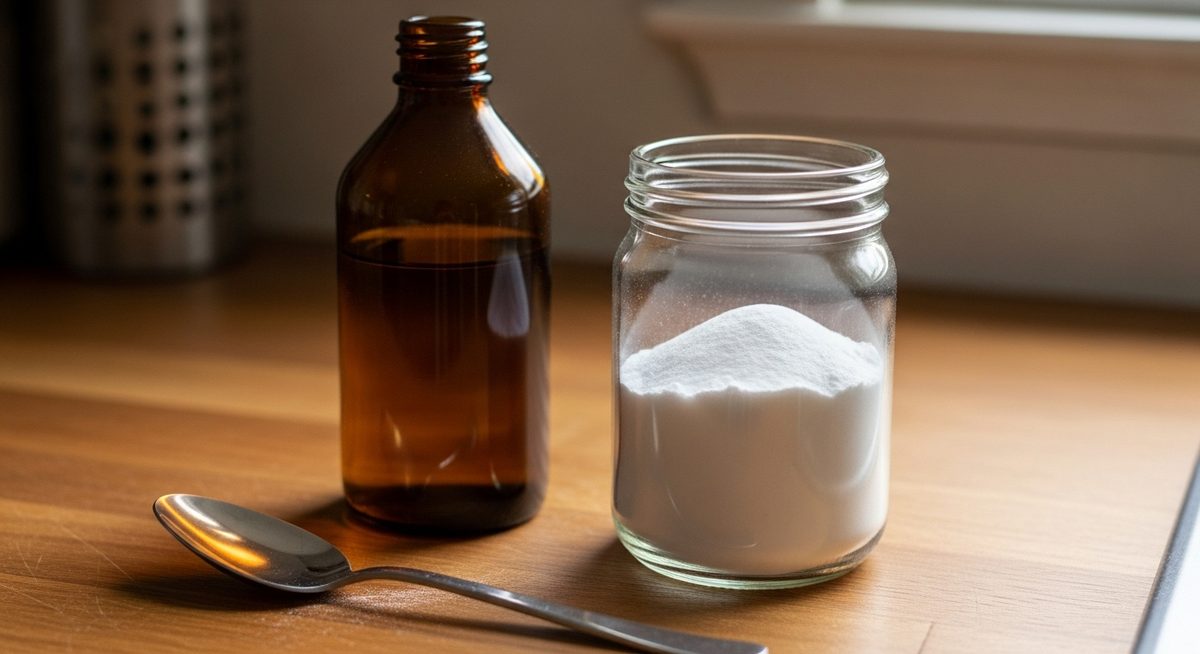
You can’t improvise with these two powerful ingredients. Precision matters. If using regular baking soda and hydrogen peroxide paste, follow these specific ratios to ensure effectiveness on most household surfaces:
- 2 tablespoons (approx. 30 g) of baking soda
- 50 ml of 3% hydrogen peroxide
Combine them in a small bowl. First add the baking soda and then pour in the hydrogen peroxide. Stir quickly. The mixture turns into a slightly foamy paste. It is ready to use immediately. Apply it directly to the dirty area with a stiff brush or cloth. If you are working on a large area, mix a new batch for each section. The chemical reaction will be weakened if you let the mixture sit in the bowl too long before applying it.
Where this mix works best
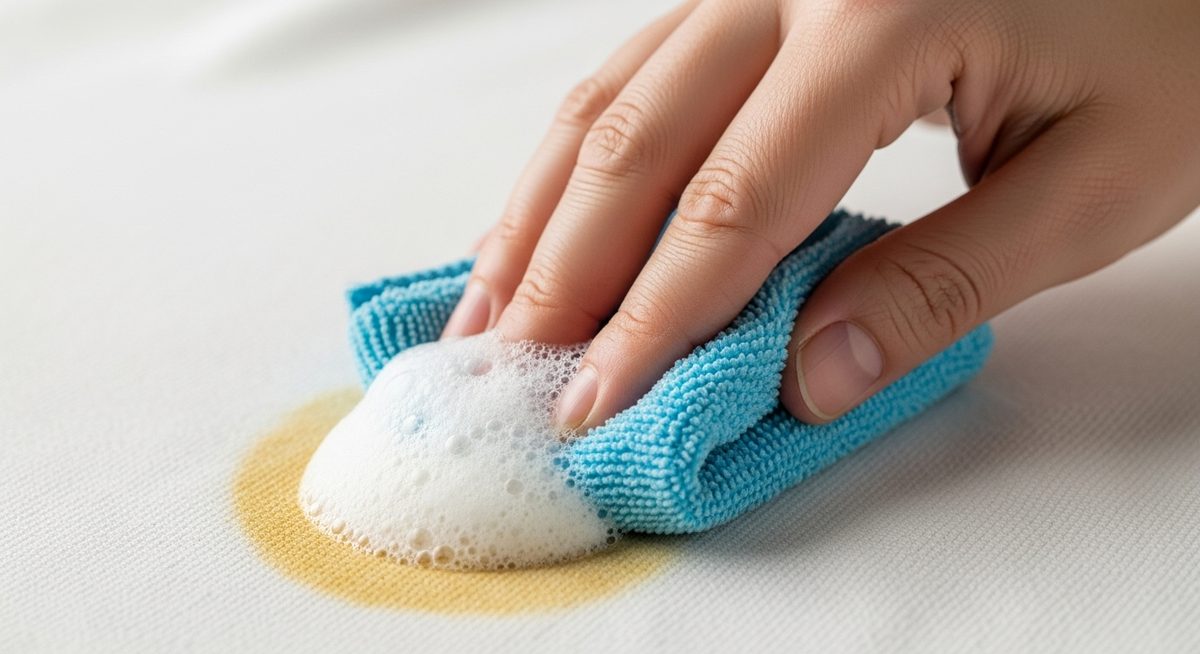
This blend excels exactly where traditional cleansers fail. Stained carpets, darkened grout lines and calcium-marked sinks get their shine back almost immediately. The secret is in the texture. The foamy paste works through micro-explosions in the fibers and pores. It removes dirt without aggressive scrubbing or long soaking times. It only takes a few minutes to see results, even on stains you thought were permanent.
In the kitchen, this solution rejuvenates cutting boards, sinks, countertops and the interior of microwave ovens. It dissolves grease, removes cooking odors and removes bacteria. In the bathroom, it cleans cloudy shower doors, cleans grout lines and cleans dirty ceramics. You can stop juggling multiple bottles of chemicals. Homemade preparation does the hard work.
Disinfects without strong chemicals
In addition to stain removal, the combination of baking soda and hydrogen peroxide works as a natural disinfectant. It eliminates common pathogens without irritating surfaces or leaving toxic residues. This is a significant advantage for sensitive areas. This safer approach benefits food preparation counters and bathroom sink edges that are frequently touched by children.
The process is simple. Apply the paste. Let it rest for a few minutes. Rinse thoroughly with clean water. The surface looks visibly and invisibly clean. You achieve hygiene and peace of mind at the same time. No compromises required.
Tips to maximize efficiency
You can improve the effect on floors, fabrics or stubborn stains by trying this technique: First, sprinkle baking soda on the surface. Let it rest for a few minutes. Then apply a hydrogen peroxide solution. The resulting effervescence doubles in strength. It removes dirt deep into thick carpet fibers or sofa upholstery.
Spread the paste thickly on the vertical surface with an old toothbrush. This prevents dripping. However, never prepare this mixture in advance. Its effectiveness is based on immediate activation. Do not store anything; Mix only what you need.
Be careful with sensitive materials. Raw wood and aluminum can lose their luster with repeated exposure. Always test the paste on an inconspicuous area before starting a full weekly cleaning.
Integrating this duo into daily cleaning
The main advantage of this pair is its versatility. It does not replace all cleaning products. Avoid use on waxed wood, very sensitive surfaces or electronic devices. Otherwise, it becomes indispensable for refreshing bathroom, kitchen utensils, dull shoes and worn out toys.
When you choose baking soda and hydrogen peroxide, you choose a soothing, economical and respectful treatment. It fits effortlessly into simple cleaning routines. For long-term use, remember to wear gloves to protect the skin. Rinse well with water after each use. Just leave sensation of pure cleanliness and a lighter mind.
This simple combination offers a real alternative to industrial cleaning agents. It offers chemical-free cleanliness without compromising on ease of use or results. A small domestic revolution is at hand. It changes your cleaning habits sustainably and at the same time protects your health and the environment. The question is not whether it works, but why you haven’t switched yet. The paste is waiting in the bowl. The dirt is still there.