It is invisible. It’s important. It’s the part of your bathroom that you ignore until it decides to let you down.
A bathroom trap – a curved pipe hidden under a sink or shower – holds a surprising amount of everyday dirt. If you ignore it, it becomes a breeding ground for bad odors and stubborn clogs. It spoils the atmosphere of a room focused on cleanliness and relaxation. Regular cleaning should not be an afterthought. But what happens if you skip it? The reality is messier than you think.
Why does the bathroom siphon get dirty so quickly
At first glance, the siphon looks innocent. It’s just a piece of plastic or metal. But dirt accumulates faster than you expect. To understand why, take a look at what flows through it every day.
Hair, soap and limescale: a deadly trio
Every time you brush your teeth, shave, or wash your hair, debris goes down the drain. The siphon catches everything.
Hair easily wraps around the bend in the tube. Over time, these strands form dense mats. Soap – whether in bar form or liquid – leaves a sticky film on the pipe. In many areas, hard water causes limescale deposits. This mineral deposit acts like glue. It binds hair and soap residue into hard, stone-like clumps.
In just a few weeks, this combination shrinks the flow of water. The flow slows down. The water sits.
The hidden costs of neglect
It’s not just about aesthetics. A dirty siphon affects the hygiene of your entire bathroom.
Moisture and organic matter create the perfect environment for mold. It grows rapidly in the dark, moist recesses of the siphon. When this substance breaks down, an unpleasant smell spreads throughout the room. Persistent clogs can cause water backup. In severe cases, there is standing water under the sink.
Worse, the pressure from the clogged pipe can compromise the trap seal. A leak might develop. The water can drip onto the floor or damage the cabinet below. A seemingly small maintenance task can turn into an expensive repair task.
Warning signs: If an alarm sounds from the bathroom
You don’t have to wait for a flood to know something is wrong. Pay attention to these leading indicators.
- Slow draining: The water takes longer than usual to drain. This is often the first sign of build-up.
- Rotten smell: A sewage-like smell coming from the drain indicates that the trapped dirt is rotting.
- Gurgly Sounds: Air from a partial blockage can cause bubbling sounds as water flows past.
- Visible dirt: If you see black or gray sludge when you look down the drain, it’s time to take action.
Ignoring these signs will not remove them. It just gives them more time to do damage.
Recognizing the silent signals of a failing bathroom sink
Your bathroom doesn’t need to speak to tell you something is wrong. It gives off clear, unmistakable signals when the plumbing needs attention. Ignoring these signs leads to messy, expensive surprises. Learning to spot them early is the difference between a quick fix and a full-blown disaster.
Bad odors that just won’t go away
If your bathroom smells like wet dog or rotting garbage, stop and look at the sink. A persistent, foul odor is never normal. It usually means the P-trap—or siphon, as it’s often called in DIY circles—is dry or clogged.
The smell comes from the slow decomposition of gunk trapped inside the U-shaped pipe. Hair, soap scum, toothpaste, and body oils combine to create a breeding ground for bacteria. This mix ferments. It releases hydrogen sulfide and other nasty gases. The result is a humid, organic stench that clings to towels and tiles.
Sometimes, you’ll walk in and smell it immediately. Other times, it’s subtle at first. But here’s the trick: if you pour a glass of water down the drain and the smell vanishes for a few hours, you’ve confirmed the issue. The water in the trap evaporated or was sucked out, allowing sewer gases to escape. Refilling it with water seals the trap and blocks the odor. Simple. Effective.
Clogs that get worse by the day
A slow-draining sink is a warning shot. Water pooling in the basin? That’s a red flag. You might see it swirl slowly, taking minutes to disappear. Don’t ignore it.
Every day you wait, the clog gets denser. Hair and soap scum bind together with mineral deposits from hard water. What starts as a minor slowdown becomes a solid plug. In just a few weeks, a simple clog can turn into a rock-hard obstruction.
Many homeowners call a plumber every year for the same issue. They spend hundreds of dollars on a service call that could have been prevented with ten minutes of maintenance. Regular cleaning stops the buildup before it becomes a blockage. It saves money. It saves time. It saves your sanity.
The right habit: cleaning your sink trap regularly
Cleaning the siphon isn’t about reacting to a crisis. It’s about routine. It’s about staying ahead of the gunk. But how often should you do it? And what’s the best way to do it without calling in a pro?
When to clean: frequency matters
The ideal schedule depends on who lives in your house and how you use the sink. For a single person or a couple, cleaning every two to three months is usually enough. But if you have long hair, heavy shampoo use, or a large family, check it monthly.
Make it part of your routine. Treat it like descaling your showerhead or washing the bathroom mats. In older homes, pipes are often narrower and more prone to buildup. They need more frequent attention. In newer homes with wider pipes, you might get away with less frequent checks. But consistency is key.
Tools and method for a deep clean
You don’t need special tools or harsh chemicals. Most homeowners already have everything they need in a drawer. Here’s what you’ll need:
- A 5-liter bucket or bowl to catch dirty water
- An old toothbrush or a small stiff-bristled brush
- 50 grams of baking soda
- 100 milliliters of white vinegar
- Rubber gloves
- A clean microfiber cloth
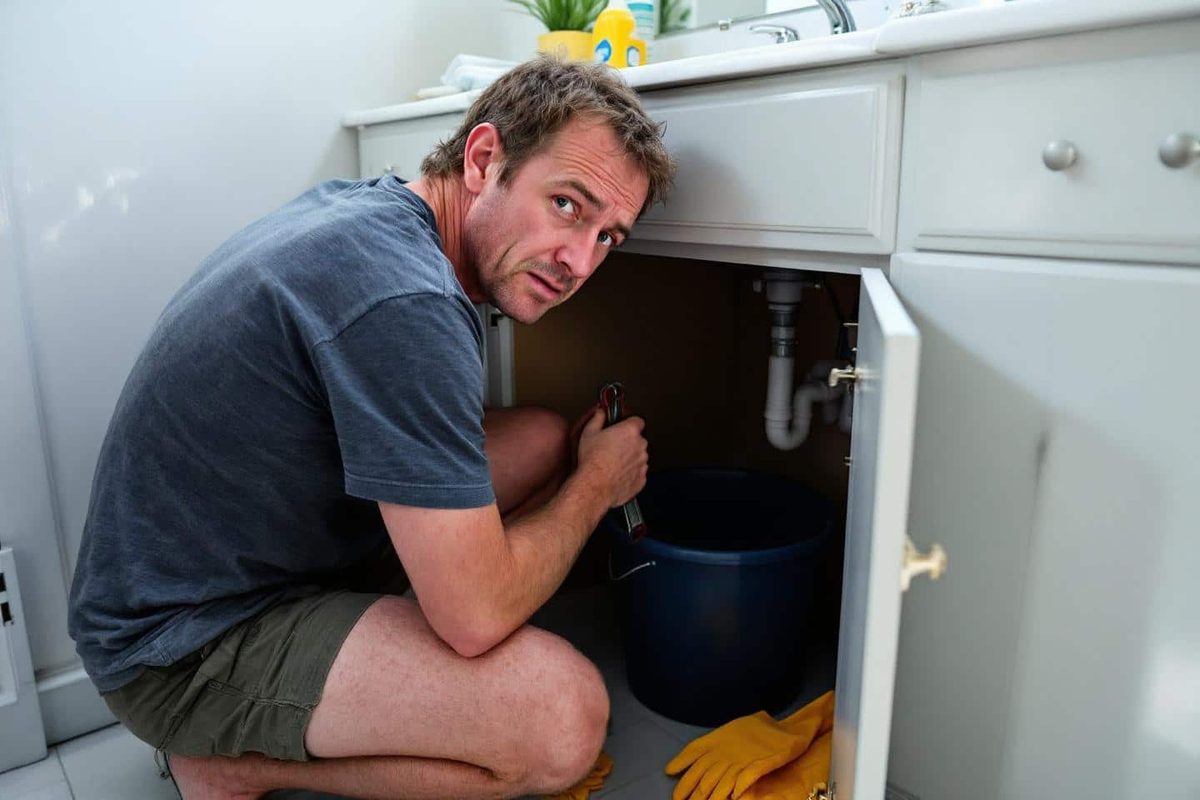
Safety first. Put on your gloves. Lay down the cloth to protect your floor. Then, place the bucket under the P-trap. Unscrew the slip nuts on both ends of the trap. It might be tight. Use your hands first. If they’re too stiff, use channel-lock pliers, but be gentle to avoid cracking the plastic.
Let the dirty water drain into the bucket. You’ll see the gunk. Hair, soap sludge, and debris. Remove it all. Use the toothbrush to scrub the inside of the trap and the pipe walls. Rinse with hot water. Hot water helps melt away residual soap scum.
Now, for the deep clean. Pour the baking soda into the drain. Then pour the vinegar. It will fizz. This is the chemical reaction breaking down remaining grime and neutralizing odors. Let it sit for 15–20 minutes. Rinse thoroughly with hot water.
Before reassembling, check the rubber washers. They should be clean and intact. If they’re cracked or brittle, replace them. It’s cheap insurance against leaks. Dry the threads. Reattach the trap. Hand-tighten the nuts. Then give them a quarter-turn with pliers. Don’t overtighten. You’ll crack the plastic or deform the washer, causing leaks.
Why this matters
Cleaning the siphon is one of the most effective DIY tasks you can perform. It keeps your bathroom smelling fresh. It prevents costly clogs. It extends the life of your plumbing. The buildup of hair and soap is inevitable. But the consequences aren’t.
Adopt this habit. Do it this month. Your future self will thank you. And your guests won’t have to wonder why your bathroom smells like a swamp.