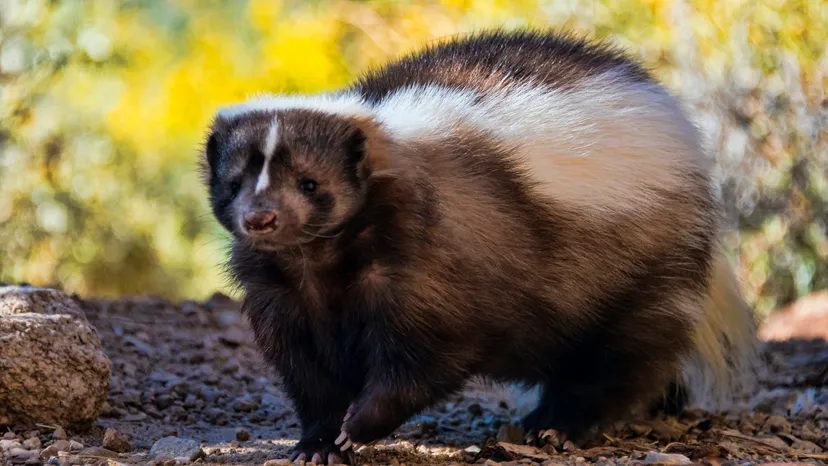
Skunks aren’t just annoying. They are destructive, dangerous, and stink like no other animal on the planet. They eat grubs, insects, small rodents, and your garden vegetables. But for most homeowners, the real issue isn’t the digging or the missing pet food. It’s the spray. That scent lingers for days. It gets in your clothes. It gets in your house. And it is incredibly hard to wash out.
If you have skunks roaming your property, you need a skunk repellent strategy. Not just for the smell, but for the damage. You can make your own natural deterrents. Or you can buy proven commercial products. Both work if you use them right.
Why Your Property Needs Protection
Skunks are opportunists. They look for easy meals and safe places to sleep. This makes them a problem for residential areas.
The spray is the most obvious issue. It is a defense mechanism. It smells terrible. It permeates the air. It ruins outdoor spaces. Cleaning it up requires more than soap. It often requires vinegar or specialized enzymes.
But the smell is only part of the problem. Skunks rummage through trash cans. They scatter garbage. They leave a mess you have to clean. They dig for grubs in your lawn. This damages your grass and landscaping. They can also attack pets. Dogs and cats can get sprayed or bitten.
There is a health risk too. Skunks carry rabies. This is a serious threat to humans and pets. If your dog chases a skunk, you need to act fast.
Skunks also dig burrows. They dig under decks. Under sheds. Under house foundations. This undermines structures. It leads to costly repairs. You don’t want this happening near your home. Deterrence is cheaper than repair.
Preventive Measures: Stop Them Before They Start
Repellents work best when combined with good habits. You need to make your property uninviting. Remove the reasons they come here.
- Secure trash cans. Keep lids tight. Anchor cans so skunks can’t tip them over.
- Feed pets indoors. Don’t leave food bowls outside. Skunks will eat almost anything.
- Empty bird feeders at night. Skunks love birdseed. It’s an easy meal.
- Remove clutter. Piles of wood, compost, or junk provide perfect dens. Move them. Or cover them with a heavy tarp.
These steps reduce the food and shelter skunks seek. They make your yard less attractive.
Natural Skunk Repellent Solutions
You don’t need chemicals to keep skunks away. Several natural ingredients work well. They are safe for pets and plants when used correctly.
Hot Pepper Spray
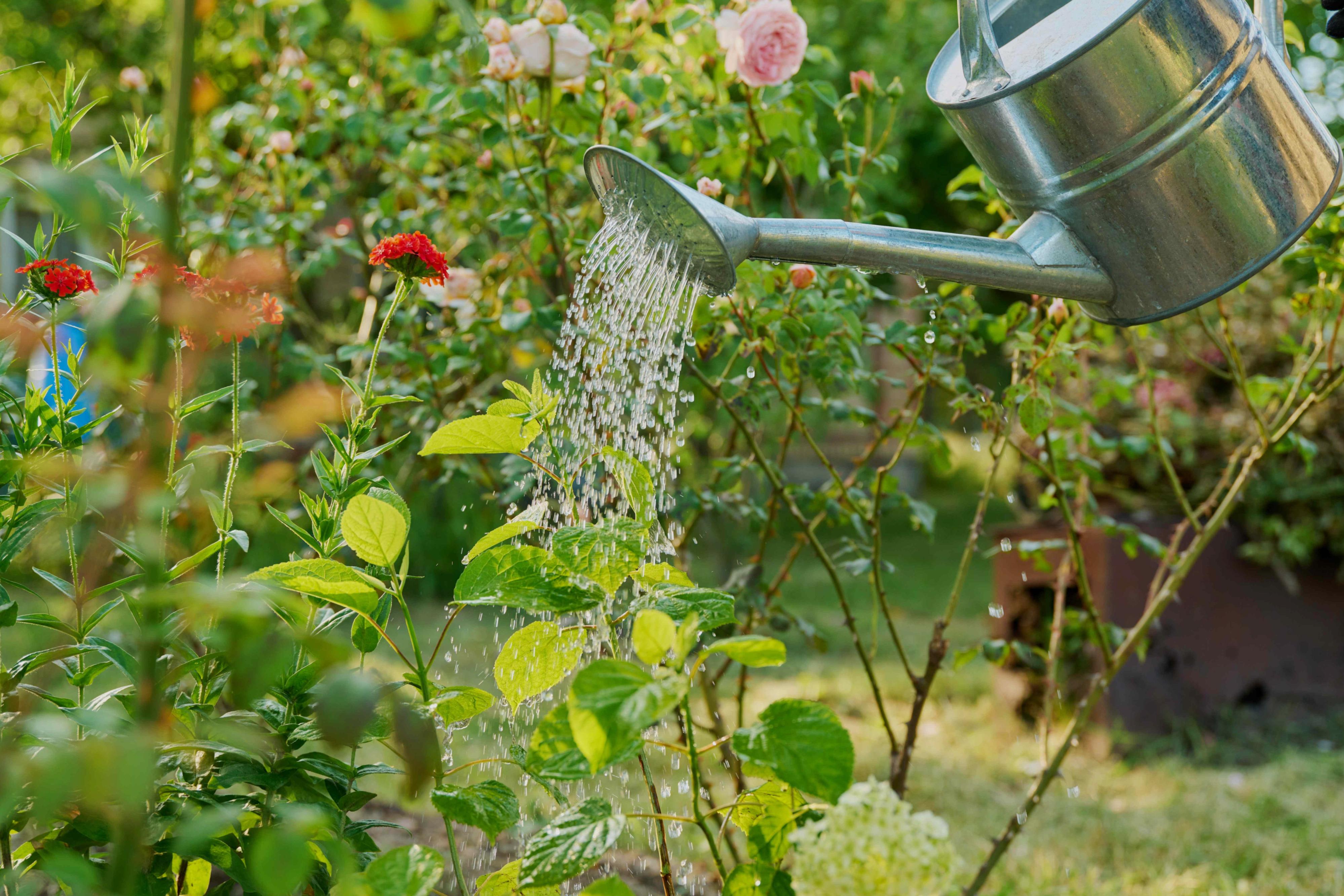
If skunks are eating your vegetables, try a hot pepper spray. Mix water with hot pepper. Spray it on your plants. Skunks dislike the taste and smell. This protects your garden.
Plant Deterrents
Some plants naturally repel skunks. Plant cucumbers, squash, or other prickly-leaved plants. Put them among your vegetables. The physical barrier and scent discourage skunks from digging or eating.
Onion and Jalapeño Boil
This remedy targets skunk dens. It is strong. It works by smell.
- Chop one yellow onion.
- Chop one jalapeño pepper.
- Boil them in two quarts of water.
- Add one tablespoon of cayenne pepper.
- Let it simmer for 20 minutes.
- Strain the liquid.
- Pour it into a spray bottle.
- Squirt it around the skunk’s den.
This mixture creates a foul odor that skunks find intolerable. It drives them away from their shelter.
Ammonia Rags
Skunks hate the smell of ammonia. Place a rag in a bowl of ammonia on your porch or path. Put the bowl on the ground. The scent keeps skunks away.
Warning: Ammonia burns grass and plants. Keep it away from vegetation. Use it only on hard surfaces like patios or driveways.
Commercial Skunk Repellents
If DIY methods don’t work, commercial products offer a quick fix. They are proven and easy to use.
PredatorPee Coyote Urine Trigger Spray
This product uses nature against skunks. Skunks fear predators. Coyote urine triggers this fear. Apply it around your property’s perimeter. Use scent tags for better distribution. One application lasts about a month. It’s effective for larger yards.
Essentially KateS Peppermint Essential Oil
Peppermint oil is a natural deterrent. Skunks dislike the strong scent. Dilute the oil and spray it around your home. It also works as a household cleaner. You can use it as an air freshener. It’s multi-purpose and safe.
RibRave Ultrasonic Animal Repeller
Some people prefer electronic solutions. This device uses ultrasonic sound waves. It also has flashing LED lights. Skunks and other animals avoid the noise and light. It is solar-powered and waterproof. It covers a 26-foot range. You may need multiple units for large areas. It’s ideal for outdoor use.
Choosing the Right Repellent
You have options. Natural sprays. Electronic devices. Commercial scents. All can work.
The key is safety. Choose humane methods. Protect your pets. Protect your plants. Don’t use harsh chemicals that harm the environment.
Garlic oil and black pepper are other natural options. Results vary. Test them in small areas first.
Finding the right solution takes time. You may need to try a few methods. But the goal is simple. Keep skunks away. Protect your property. Protect your health.
Don’t let skunks take over your yard. Start with prevention. Add repellents as needed. Stay consistent. Your home will be safer. And you won’t have to deal with the smell.
Skunks are smart. They adapt. So must you. Keep your yard clean. Keep your defenses active. And enjoy your outdoors without the stench.