The summer wind turns a quiet balcony into a battlefield. At the beginning of the season, installing a privacy screen or a canna can seem like a necessary step to enjoy the sun in peace. Then the first storm hit. The canvas rips away. It flaps loudly. Corners fray. Sometimes the whole thing collapses or flies into the neighbor’s garden.
The screen itself is rarely to blame. This is a low quality accessory. Or in a hurry. Traditional methods used thin, rusty wire. Or a piece of rope. Both are deactivated as soon as the weather changes.
Experts use different methods. It’s not luck. This is a special device. Accurate stress calculation. and a solid locking mechanism. This method can withstand even the hottest and windiest seasons. You can prevent disasters from happening again.
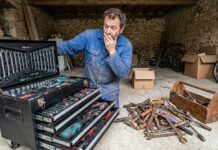
Pro Kit: Anti-UV Clamps and stainless steel wire
The choice of material determines durability. Skip the cheap staples. Snap. Skip the basic plastic strip that comes with the screen. They are baked in the sun. Heat weakens them. Mechanical stress destroys it.
The professional solution is a special combination of UV-resistant cable ties and stainless steel wire.
High-quality nylon ties are usually black and can withstand prolonged exposure to sunlight. They don’t dry out. They don’t crack. When the wind blows against the plant’s barrier, its original flexibility dampens the harsh shock waves.
The stainless steel wire acts as an unbreakable safety strap for the balcony railing. It will not rust due to the humidity of summer storms. You can avoid permanent orange streaks under concrete or metal.
This partnership works through complementary strengths. The flexibility of the other side dampens vibration. The stiffness of the opposite side prevents it from coming off.
Strategic Grid and double anchors
Choosing the right hardware is only half the battle. The real secret of the “sail effect” that prevents structures from expanding lies in the distribution of force.
Strict stress distribution is required.
Imagine a grid on the railing. The standard requires tightening every 30 cm. horizontally. vertically.
But there is one variable that makes the attachment unbeatable. It doubles the anchor points.
Do not tie ties to narrow bars. It’s weak.
Wrap the tie into 3-4 tight ropes. Bundle them together and lean them against the heaviest post on your balcony. This simple mechanical system essentially distributes the forces of attraction. The weight of each branch is reduced.
Pay special attention to the edges of the roll. Secure the ends from top to bottom. Tighten these the mesh to about 10 cm.
Sealing these free-flowing areas prevents unstable air from circulating up the edges. Remove the crack where the damage usually starts.
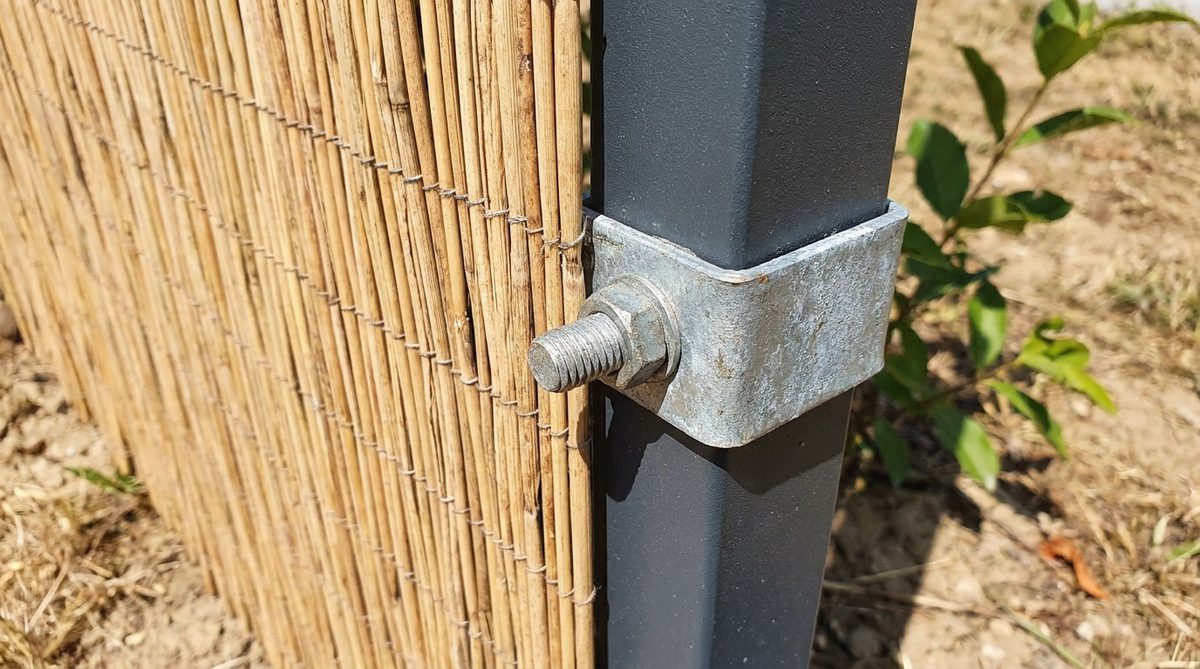
The difference between a vulnerable screen and a secure installation is in the details. Press the entire protective panel firmly against the metal balcony grate for immediate visibility. The double anchor points are fixed, so the screen sits perfect and solid lines. There are no gaps. There is no sag. And that loud clanking sound you hear at 3 in the morning? Gone.
Pressing evenly and doubling fasteners with durable steel wire or sturdy cable ties does more than just keep them out of sight. We build a really effective wind shelter. This method prevents the material from tearing due to constant friction with the railing.
Why double anchoring is important
Most do-it-yourselfers use one clamp per part. This is wrong. In strong winds, a single point of failure can cause the entire screen to ripple, hit metal, and eventually break. Distributes wind loads by doubling the attachment points. The screen stays the same.
“This approach reduces the need for maintenance to zero.”
Instead of replacing torn bamboo slats or broken mesh screens every spring, a properly installed unit will last for several seasonal cycles. Maintain structural integrity. Look the part. It remains silent.
Tools and materials to guarantee a secure fit
To create this stick, you need the proper hardware. Standard cable ties are an easy solution, but they disintegrate when exposed to UV light. Please select:
- Heavy duty stainless steel ties – Resistant to corrosion and breakage.
- Double Loop Installation – Thread the tie through the screen and rail twice or use two ties per knot.
- Wide Wide Washer – When using screws or bolts, the washer prevents the material from pulling out.
- Wire cutters and Pliers – A must-have tool for neatly cutting an excess length of cable tie.
Safety Note: Always wear gloves when handling metal grates or sharp wire ends. Slipping on the edge of the balcony is an unnecessary risk.
Installation process
- Align the Screen – Stretch the privacy mesh or bamboo screen tightly over the existing balcony screen. Use temporary clamps if you need to hold them in place while you work.
- Mark Anchor – Mark each intersection on the screen with a vertical or horizontal bar. Space them no more than 12 to 18 inches apart for the best wind protection.
- Double Fasteners – Thread a cable tie or thread through the screen and rail at each marked point. Tighten until there is no more slack.
- Cut and Inspect – Cut off excess tie near the head. Give the screen a firm shake. If it moves, tighten it again. If it wobbles, it means your anchor points are too few.
Long-term benefits
It’s not about being pretty. This is all about performance. A well-mounted screen provides a strong barrier. Blocks wind noise. Prevents dirt from entering through the gaps. Eliminates the need for constant readjustment after a storm.
Save time. Save money on replacements. You no longer have to live in fear of the next gusty afternoon.
Is your balcony ready for storm season?
Weather patterns are becoming more and more unpredictable. The wind has picked up.