


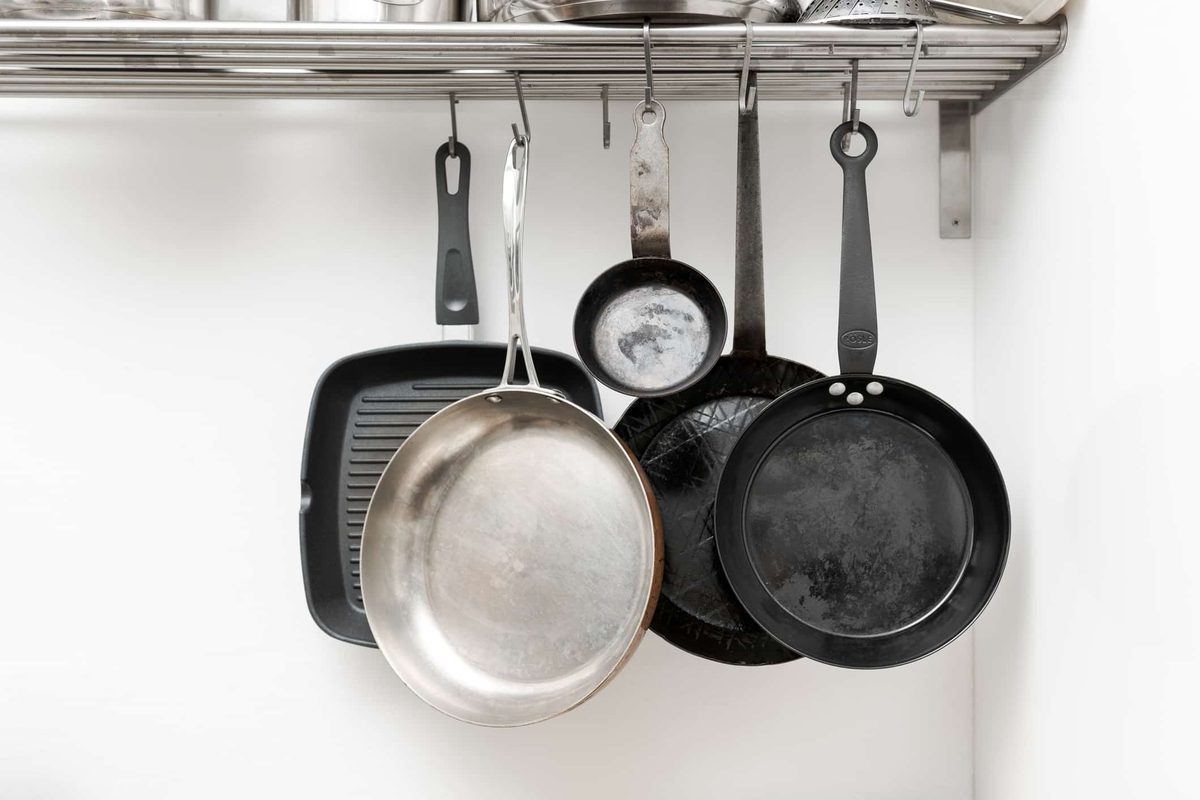
That little hole in the handle of your skillet? Most people treat it as a coat rack. They hang the pan on a hook. Simple. Effective. But you are missing the point. That hole is a built-in utensil rest designed to keep your kitchen sanitary and your counter clean.
Stop throwing wooden spoons on your counter.
The Problem with Counter-Top Utensil Rests
We have all been there. You are stirring a sauce. You need to pause. Where does the spoon go?
- On the dirty counter? No.
- In a bowl of water? Messy.
- Balanced precariously on the rim of the hot pan? Risky.
The hole in the handle solves this. It is not just for storage. It is a functional feature for active cooking. By threading the handle of your wooden spoon through the hole, you create a dedicated rest. The spoon hovers above the pan. It does not touch your work surface. It stays out of the way.
Why This Matters for Hygiene
Cross-contamination is a real risk in home kitchens. Even if you wiped down your counters, bacteria linger. Dust settles. Raw meat juice might have splashed earlier in the prep phase.
When you lay a utensil on the counter, it picks up those contaminants. When you put it back in the food, you risk introducing them to your dish. This is especially dangerous when handling raw proteins like chicken or fish.
Suspending the utensil in the pot handle eliminates that contact point. The spoon hangs in the air. It stays clean. Your food stays safer.
“Suspending the utensil on the pot handle eliminates the risk of cross-contamination from your work surface.”
How to Do It Correctly
This trick relies on simple physics. Gravity is your friend, but stability is key.
- Choose the right tool. Wooden spoons and spatulas work best. Silicone spoons can work if the handle is thin enough. Avoid heavy metal ladles. They might tip the pan.
- Check the fit. The handle of the spoon must slide through the hole in the pot handle easily. If it is too tight, it will stress the materials. If it is too loose, it will fall.
- Position for safety. Insert the spoon so the head rests against the side of the pot or hangs freely over the center. Ensure it is stable. You do not want it sliding off into the hot oil.
What Tools Work Best?
Not every utensil fits this method. Here is what to use:
- Wooden spoons: Ideal for sauces and stews. The natural material resists heat.
- Wooden spatulas: Great for flipping or stirring delicate items.
- Silicone spoons: Only if the handle is slender. Thick silicone handles might not fit through standard pot holes.
Avoid metal utensils with anti-nonstick pans. Scratching the coating ruins the pan. Wood or silicone is the safe bet.
Preserving Your Gear
This method is safe if used correctly. But you still need to protect your cookware.
- Check the hole size. Make sure the utensil handle is not forcing the pot handle to bend. Plastic handles on cheap pans might crack under pressure.
- Avoid metal on nonstick. Even if the utensil fits, metal can scratch. Stick to wood or silicone.
- Monitor the angle. If the utensil is too long, it might extend too far forward. This could throw off the balance of a heavy skillet. Keep it centered.
Other Hidden Features in Your Cookware
The hole in the handle is just one clue. Manufacturers pack pans with utility.
Look at the lips on your frying pans. They are curved to prevent drips when you pour. Some handles have built-in thermometers. They tell you exactly when the pan is hot enough for searing. Some pans feature removable handles. These save space in small kitchens. You can store them in drawers.
These details matter. They change how you cook. They make the process smoother.
The Bottom Line
The hole in the pot handle is not an oversight. It is a solution. It keeps your counters clean. It reduces contamination risks. It keeps your tools within reach.
Next time you stir a pot, thread the spoon through the handle. Watch how it hangs. Notice the lack of clutter on your counter. It is a small change. But in a busy kitchen, small changes add up.
Your food will taste better. Your kitchen will feel calmer. And you will wonder why you didn’t notice it sooner.
Maybe you’ll start looking at your other tools differently. What else are you using wrong? The answer might be hiding in plain sight.


