


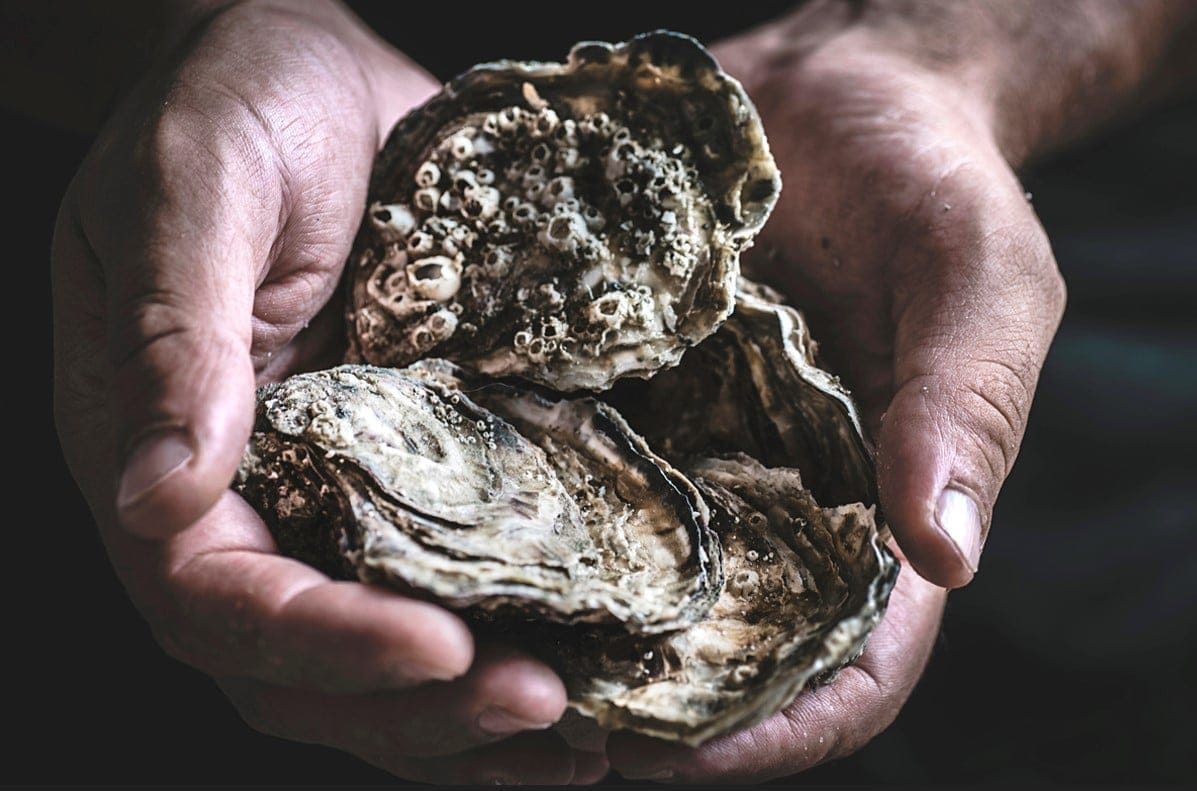
You love oysters. You eat them regularly. Pairing plump, briny meat with a crisp white wine is basically a Sunday ritual for some of us. But what happens to those empty shells once the meat is gone? Most people toss them in the trash. Big mistake.
Those hard, jagged discs are actually multi-purpose tools disguised as food waste. They work in the garden. They work in the chicken coop. You can use them to clean your house. You can turn them into decor. There’s even a way to use them on your skin.
Stop throwing them away. Start using them.
The Garden and Chicken Coop
Oyster shells are rich in calcium carbonate. This makes them a natural soil amendment and a supplement for birds.
For your garden, crush the shells. You don’t need a power tool. A heavy hammer or a mortar and pestle works fine. Sprinkle the crushed pieces around acid-loving plants. Tomatoes, roses, and peppers benefit from the extra calcium. It prevents blossom end rot in tomatoes. It strengthens cell walls in other plants.
If you have chickens, the shells are a goldmine. Place whole or slightly crushed shells in a feeder. The hens will peck at them. This provides calcium for strong eggshells. It saves you money on commercial supplements. It also keeps the birds entertained.
“Oyster shells are a natural source of calcium carbonate, perfect for soil amendment and poultry supplements.”
Household Cleaning
Oyster shells make excellent abrasive cleaners. They’re harder than dirt but softer than stone countertops.
Mix crushed shells with dish soap and water. Use this paste to scrub cast iron skillets. The grit lifts stuck-on food without scratching the surface. Rinse well. Dry thoroughly.
You can also use the shells to unclog a slow drain. Pour a cup of crushed shells down the kitchen sink. Follow with hot water. The abrasive action helps scrape away grease buildup. It won’t fix a major clog. But for maintenance? It works.
DIY Decor Projects
Before you crush everything, consider keeping some whole. They look like little fans. Or like rough-edged hearts.
Sand the sharp edges with coarse sandpaper. Paint them with outdoor enamel. Hang them from tree branches for a rustic wind chime. Or glue them to a picture frame. The texture adds visual interest.
You can also use them in terrariums. Place a layer of crushed shells at the bottom of a glass jar. Drainage is important. The white color contrasts nicely with dark soil. It looks intentional. It looks expensive. It costs nothing.
Skin Care Uses
Yes, you can use oyster shells on your skin. But not by applying raw shells. That would cut you.
Grind the shells into a fine powder. Mix it with a carrier oil like coconut or jojoba. The powder acts as a physical exfoliant. It removes dead skin cells. It leaves skin feeling smooth.
This isn’t a medical treatment. Don’t expect it to cure acne. But as a weekly scrub? It works. The calcium may help soften skin. Rinse thoroughly. Moisturize after.
Safety First
Handling oyster shells requires care. They are sharp. Wear gloves when crushing them. Use safety glasses. Small
Why Oyster Shells Are Essential for Flock Health
You pull a warm egg from the nesting box. It feels heavy. That weight isn’t just luck. It’s calcium.
Poultry need it. A lot of it.
If you keep chickens, you probably toss grain around every morning. But have you tried mixing in crushed oyster shells? The hens will devour them. They don’t just eat them for fun. They need the mineral to build strong eggshells.
Without it, their bodies pull calcium from their own bones. The result is soft shells. Or no shells at all. You want solid eggs. Give them the shells.
Boosting Your Compost Bin with Shell Powder
Compost is easy. Throw scraps in. Wait. Watch it turn.
But it can be better.
Oyster shells add zinc to the mix. Zinc helps plants grow. It’s not the main event, but it’s a solid side dish for your soil.
Here is the process.
- Rinse the shells thoroughly. Salt and residue rot. You don’t want that.
- Crush them. Fine particles break down faster.
- Sprinkle the powder over your pile.
Let the worms do the work. The shells will weather down over time. Your veggies will thank you.
Natural Barriers Against Slugs and Snails
Garden pests are annoying. Slugs love lettuce. They don’t care about your hard work.
Cut the shells into small pieces. Scatter them around the base of your plants.
The texture is the weapon. It’s sharp. Slugs hate it. They can’t cross the barrier. They turn around. It’s simple physics.
Want to double down? Mix in coffee grounds. Ash from a wood stove works too. The combination creates a repulsive zone. Your salad stays crisp.
Soil Amendment for Acid-Loving Plants
Not everything loves calcium.
Rhododendrons hate it. Azaleas hate it. Don’t put shells near them. The pH will spike. The plants will suffer.
For most other garden beds, though, the shells are gold.
They improve drainage. They add minerals. They stay in the soil longer than green waste.
Scatter the powder at the foot of outdoor shrubs before winter. It protects the roots. It feeds them slowly.
To make the job easier, bake the shells in the oven first. Heat makes them brittle. They crumble instantly. You can also crush them with fireplace ashes. The mix is unique. It works.
Descaling Your Home Appliances
Limescale is a pain. It clogs kettles. It stains glasses.
Skip the harsh chemicals.
Place a clean, crushed shell in the bottom of your kettle. Boil it. The acid in the vinegar (if you use it) reacts with the calcium carbonate. The shell dissolves. The scale lifts.
Do the same for your dishwasher. Toss a piece in the basket. It prevents buildup on your glasses.
For the toilet tank, drop a whole shell in. It’s a cheap descaler. It works while you flush.
It’s a small hack. But it saves money.
Crafting with Nacre
Oyster shells have a pretty interior. The nacre catches light.
Don’t throw them away.
Use them for crafts. Make ashtrays. Decorate boxes. Create jewelry. The material is durable. It’s shiny.
Artists mix shell powder into paint. It adds an iridescent sheen. You can replicate this at home. Just be careful with the dust. Wear a mask when grinding.
DIY Face Mask with Zinc
Your skin looks tired. It feels tight.
Zinc helps. Oyster shells are full of it.
You can make a mask. It takes minutes.
- Wash the shells again. Sterilize them. You’re putting this on your face.
- Grind them into a very fine powder. No grit.
- Mix two tablespoons of honey with one fresh egg yolk.
- Add two tablespoons of the shell powder.
- Stir until smooth.
Apply it to your face. Avoid the eyes.
Leave it on for ten minutes. Rinse with warm water. Pat dry. Apply moisturizer.
Your skin looks brighter. It’s not magic. It’s chemistry.
The shells are versatile. They feed chickens. They feed soil. They clean pipes. They decorate tables. They even care for skin.
But be careful. Not every plant wants them. Not every surface needs them.
There’s a limit to how much calcium you can handle. Too much alters the balance.
You have the tools. You have the shells. Now you decide how to use them.
What’s the first thing you’re going to crush?


