


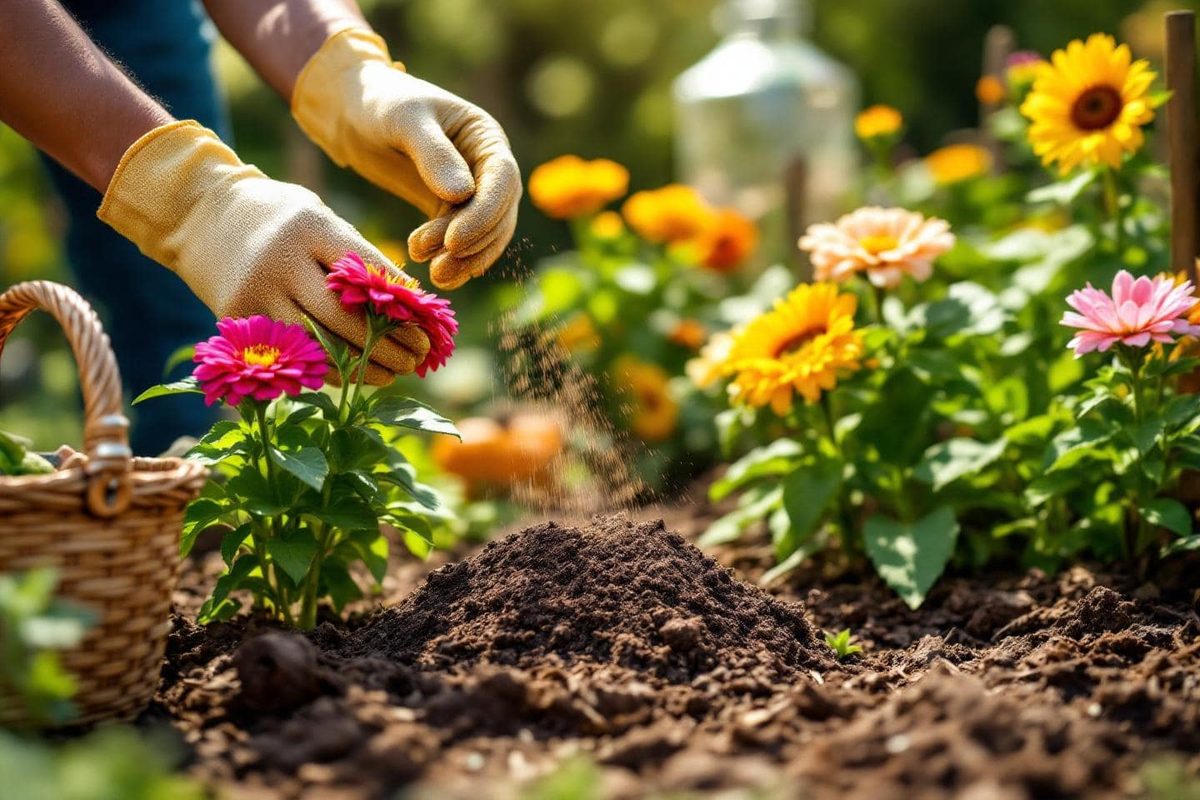
You know that neighbor whose summer beds look like a botanical explosion. They probably aren’t using some expensive catalog secret or timing their pruning to the lunar phases. The real trick is sitting in your own backyard, buried under the clippings you usually haul to the tip.
French gardeners are finally ditching the “throw it away” habit. More than two-thirds of households with gardens toss their summer trimmings. That is a massive waste. Those green leftovers are packed with minerals, trace elements, and organic matter. Your summer flowers need exactly that fuel right now. They are hungry. They are demanding. You can feed them using a homemade brew that keeps waste out of the landfill and your blooms popping.
Why homemade plant extract beats store-bought options
This isn’t just any compost tea. We are talking about purin, a fermented liquid fertilizer. It is different from an infusion or a decoction.
- Purin : Vegetables soaked in water for days. No heat.
- Decoction : Boiled ingredients.
- Infusion : Hot water steeping.
For boosting floraison, you want the purin. It releases nutrients slowly but powerfully. The key is picking the right waste. Avoid anything diseased. Stick to non-woody stems, green leaves, and faded flowers that haven’t gone to seed yet. Faded bouquets and cut rose stems work perfectly. They are rich in potassium, which drives flowering.
Step-by-step guide to making zero-waste garden fertilizer
This is easier than it sounds. You don’t need fancy equipment. Just a bucket and some patience.
- Gather materials : You need 1 kg of green waste (stems, healthy leaves, faded blooms) and 10 liters of rainwater. If you don’t have rainwater, tap water sitting for 24 hours works.
- Prep the waste : Chop the plant material roughly. The smaller the pieces, the faster the nutrients release.
- Mix : Put the plants in a clean plastic bucket or bin. Pour in the cold water. Cover it with an old cloth or a perforated lid.
- Agitate : Stir the mix once a day.
- Wait : In summer temperatures above 18°C, fermentation kicks in after three to six days. You’ll know it’s ready when the liquid turns dark and smells… intense. Let’s be honest, it stinks. That’s normal.
- Filter : Strain the liquid through a fine cloth. Discard the solids or add them to your compost pile. Store the liquid in a shaded spot.
How to apply your homemade fertilizer without burning plants
Making it is half the battle. Applying it wrong can kill your flowers. Dilution is critical.
- For soil watering : Mix 1 liter of purin with 10 liters of water. Water this directly at the base of the plant. Do this right after pruning. It stimulates new growth and flower spikes.
- For leaf spraying : Use a slightly stronger mix. Spray early in the morning or late in the evening. Never in the midday sun. Do this two or three times a month.
If you see foam on top of your brew, skim it off. No need to panic. If you are spraying leaves, use a filter on your sprayer to stop clogs.
Which plants benefit most? Dahlias, cosmos, zinnias, and roses respond well to this treatment. It gives them a nutrient boost during the high-demand months of June through September. Just space out your applications during heatwaves to avoid stressing the roots with too much water at once.
You are essentially turning your garden’s trash into a laboratory of abundance. It costs nothing. It keeps waste out of the system. And your flowers? They will let you know if it works.
What to keep out of your fermentation bucket
You can ferment almost anything green, but not everything. Do not throw diseased plants in there. If you recently sprayed your roses with pesticides, toss those clippings in the trash, not the bucket.
Laurel leaves are a no-go. Same with rhubarb. Conifer branches? Skip them. Highly aromatic herbs can actually poison the mix or stop the process dead in its tracks. These materials limit fermentation or turn your liquid toxic.
Even experienced gardeners mess this up. They forget to dilute properly. They water plants in the middle of a heatwave. They start the process with leaves that are too dry or too woody. The result is a “heat shock” effect. Your flowers stop blooming instead of getting bigger.
Fix it by adapting to your specific setup.
– Growing in pots? Use more diluted liquid.
– Do you have acidic soil? Use only rainwater for mixing.
– See brown, burnt leaves? You overdid it. Dilute more next time.
– Plants growing back fast? You got the ratio right.
Why urban balconies see the fastest results
Word travels fast in villages known for flower contests. The transformation is noticeable. It looks almost magical.
Urban balconies show the clearest difference. Space is tight. Every change in plant health stands out. Florals last longer and look bigger when you use green waste liquid fertilizer.
It is not just about gardening. It is about community. You share recipes. You swap filtration tips. You exchange seeds. Zero-waste gardeners become local ambassadors. They convince skeptics to try it. The cycle feeds itself.
How to build a sustainable summer garden routine
There is one rule that matters more than any other: nothing is lost, everything transforms. This works best on living soil.
Collect your waste. Sort it. Chop it. Let it ferment. Dilute it. Apply it. This loop boosts color. It saves you money on chemical fertilizers. It restores biodiversity in your balcony soil.
This is a practical, daily habit. Anyone can do it. It is a credible ecological alternative. It feels rewarding.
Your garden gets fuller. Your waste gets used. Your neighbors share tips. The real luxury is simple. You give your plants a homemade rejuvenation cure. No waste. No guesswork. Just green growth.


