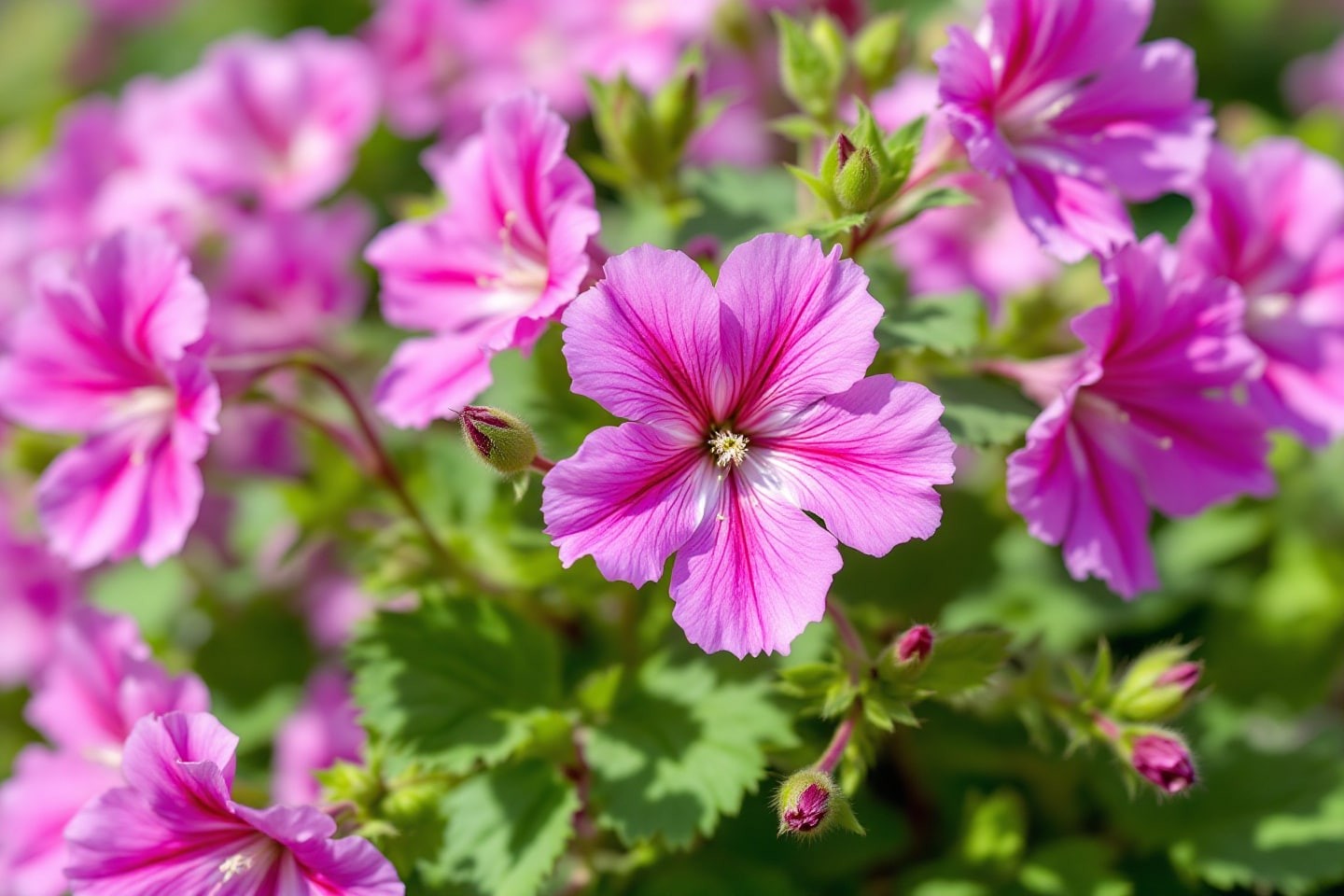
Most people think the gardening party is over once October hits. They pack away the summer annuals and stare at a lawn that’s slowly turning brown. It’s a letdown. But there is a perennial that refuses to take the hint. It keeps blooming. It keeps adding color. It transforms your landscape right up until the first hard freeze.
Stop relying on sad, dormant beds. There is a plant that offers a near-continuous symphony of color from May to November. If you want to boost the visual impact of your garden in autumn, you need to look at the hardy geranium. It’s not just an afterthought. It’s a powerhouse.
Why Hardy Geraniums Deserve a Permanent Spot
When you say “geranium,” what do you see? Balcony boxes? Plastic pots on a windowsill? Those are bedding geraniums. They are tender. They die when the cold sets in.
Then there is the hardy geranium. It is a completely different animal. It is robust. It is perennial. It moves in for the long haul. It doesn’t fear frost. It doesn’t care if the summer is dry or the winter is wet.
This is the plant for structured borders. It works on slopes. It creates shade and structure in dry climates. It fits into zen gardens or chaotic cottage setups alike. It is a safe bet for anyone who wants a low-maintenance but high-impact garden.
A Flower Show That Doesn’t Shut Down
The real magic here is the timeline. Most flowers give you a burst and then fade. The hardy geranium starts in May. It keeps going. And going. Until November.
The flowers are delicate. You get shades of blue, pink, and white. They don’t stop appearing. They replace each other. The plant itself doesn’t die back completely in autumn. It persists. It gets denser every year. And when the first frosts hit, the foliage often turns a deep, dramatic purple. It stays decorative. It stays interesting.
Varieties That Actually Make a Difference
Not all hardy geraniums are created equal, but some stand out. The undisputed champion is Geranium Rozanne. It has won awards for a reason. The flowers are a stunning violet-blue with white centers. One of these can light up an entire border.
But Rozanne isn’t the only option.
- ‘Johnson’s Blue’ : Classic, reliable, deep blue.
- ‘Patricia’ : Soft lavender hues.
- ‘Dreamland’ : White with magenta eyes.
They share key traits: cold resistance, rapid ground coverage, and minimal effort. Whether you are designing a naturalistic landscape or just tired of mowing, these varieties deliver.
When and Where to Plant for Best Results
Timing matters. If you rush this, you’ll spend more time fixing mistakes than gardening.
Autumn vs. Spring Planting
September is the sweet spot. The soil is still warm from the summer. The air is cooler. Rain is more likely. This combination allows the roots to establish deeply before the ground freezes.
Spring works too. But autumn planting usually results in a stronger, more spectacular bloom the following year. The plant gets a head start.
Sun, Shade, and Soil Preferences
You have flexibility here. Hardy geraniums handle full sun. They tolerate partial shade. Some varieties even manage in light shade.
For maximum effect, choose a spot that is bright but stays cool. This is especially important if you live in the south of France or have a hot, exposed terrace. They are perfect for filling gaps between shrubs. They add texture and color to areas that other plants struggle to reach.
Companion Planting for Year-Round Interest
Don’t plant them in isolation. Mix them with other perennials to create layers.
- Hostas : Provide a bold, leafy contrast.
- Heuchera : Add purple or lime foliage that complements the flowers.
- Blue Fescue : The grassy texture breaks up the softness of the blooms.
They also play well with spring bulbs. Tulips and daffodils will bloom, fade, and die back just as the geraniums are starting their own show. It creates a seamless transition. You don’t have to constantly rearrange the bed.
Low-Maintenance Care Secrets
This is where the hardy geranium earns its keep. It doesn’t need much.
Soil Preparation
Before you dig, loosen the soil. Mix in some compost or topsoil. This helps with drainage. Hardy geraniums hate sitting in water. If your soil is heavy clay or your yard is flat, add grit or sand to improve drainage. Good drainage equals long-term health.
The Minimalist Maintenance Routine
Water them regularly in summer, but don’t drown them. Let the soil dry out slightly between waterings.
Deadhead the spent flowers. It encourages new blooms. In autumn, cut back the foliage lightly to keep things tidy and prepare the plant for winter.
Add a layer of mulch. Grass clippings or fallen leaves work well. This retains moisture and suppresses weeds. Once established, your bed might practically run itself.
Common Mistakes to Avoid
Don’t plant them in soggy spots. Rot is the enemy.
Keep them away from aggressive, invasive plants that will steal their nutrients. Early spring is the time for weeding. Do it then. Get the competition out of the way so the geraniums can spread and take over the space as a true groundcover.
The garden doesn’t have to end in October. It just needs the right plant.
Keep the color true with proper division
If you want that specific Geranium Rozanne hue to stay consistent year after year, stop mixing varieties in the same bed. It’s simple botany: cross-pollination changes the genetics. Stick to one cultivar per zone if fidelity matters to you.
When you split the clumps, timing is everything. Do it in early spring or late autumn. Dig up the whole mound. Shake off the loose soil. You’re looking for distinct crowns. Use a sharp spade or even a garden fork to pull them apart. Make sure each section has healthy roots and at least two or three growing points.
Plant them immediately.
Soil needs to be fresh. Not rich, not heavy. Just moist and well-drained. Water gently to settle the roots. The shock is usually minimal. These plants bounce back fast. In fact, the establishment is often spectacular. You’ll see new growth within weeks.
Share the load: propagation tips for neighbors
There is a specific joy in handing a neighbor a small potted plant you grew yourself. It’s better than buying store-bought stock. Store plants are often tired. Yours are vigorous.
Take a healthy offset. Cut it cleanly. Place it in your own garden bed. Keep the soil slightly damp during the first month. Don’t overwater. Let the roots breathe. Once established, these perennials spread. They fill gaps. They soften hard edges. They work well in dry Mediterranean-style gardens or along pathways.
You can also try cuttings in summer. Snip a stem. Remove the lower leaves. Dip the end in rooting hormone if you have it. Stick it into potting mix. Cover with a plastic bag to maintain humidity. Rooting takes a few weeks. It’s a low-cost way to expand your collection.
Stop deadheading? Yes, really.
To preserve vigor, remove spent flower stems. This isn’t just about looks. It tricks the plant into producing more blooms instead of going to seed. For Geranium Rozanne, this means a nearly continuous flowering period from May until the first hard frost.
Regular watering helps, but keep it moderate. Too much water encourages rot. Too little stresses the plant. Find the middle ground. Mulch around the base to retain moisture and suppress weeds.
Why this plant is an ecosystem builder
Forget monocultures. This geranium supports biodiversity. Bees love the flowers. Butterflies land on them. The dense foliage provides shelter for ground-dwelling insects and small amphibians. It creates a micro-habitat. Your garden becomes a living system rather than a static display.
It also acts as a natural weed suppressant. The leaves spread wide. They shade the soil. Sunlight can’t reach weed seeds. No weeds means less weeding. Less weeding means less soil disturbance. It’s a self-maintaining ground cover. Use it instead of grass in dry areas. It saves water. It saves time.
Design pairings that last
Don’t plant it alone. Mix it with late-season bloomers. Gaura works well. Salvia adds vertical interest. Ornamental grasses provide texture. Rudbeckias offer a contrasting color palette.
The geranium bridges the gap between spring ephemerals and autumn hardy plants. It keeps the border looking full when other things fade. The color palette shifts but remains vibrant. You get a dynamic garden that evolves with the seasons.
September brings mist and cooling air. The garden starts to look tired. This is where the geranium shines. It holds its structure. It keeps flowering. It brings life to a dying season.
Geranium Rozanne, in particular, is relentless. It blooms longer than almost anything else. It’s tough. It’s elegant. It requires almost nothing from you.
Is it time to stop fighting your garden and start working with it? The answer might be sitting in your local nursery right now. Or maybe it’s already in your own backyard, waiting to be divided.