Drilling metal is different from drilling wood. The trees give way. The metal pushes back. If you use hardened steel, the resistance becomes a wall. It’s a dense, unforgiving barrier that can destroy standard bits in seconds. You need special tools to do this. In particular, you need the best drill bit for hardened steel.
This has nothing to do with comfort. It’s about the survival of your tools and your safety. Whether you’re a pro or a weekend warrior with a garage full of projects, using the wrong drill bit can break your tools and break your mind. Here’s how the job is actually done.
Know Your Enemy: Hardened Steel
Hardened steel is treated to resist wear and tear. It’s tough. Resistant. Designed not to be cut. This is why standard high speed steel (HSS) drill bits fail so badly. They soften due to the heat generated by the friction. They lose their edge instantly.
Drilling holes in this material requires a drill bit that is harder than the steel itself. You need a drill bit that can withstand extreme temperatures without degrading. The challenge is real. The margin of error is zero.
The Champion: Carbide Drill Bits
Carbide drill bits are the carbide drill bit. It is made of tungsten carbide, which is a very hard and heat-resistant material. If you repeatedly drill hardened steel, this is the best choice.
It stays sharp much longer than any other type. The precision is unmatched. They don’t wander. Cut neatly. What are the disadvantages? They are fragile. If you drop one, it will break. However, nothing beats carbide when it comes to performance.
A reliable alternative: cobalt drill bits
If carbide feels too brittle for your style, cobalt is the answer. Cobalt drill bits contain 5-8% cobalt mixed with steel. This alloy makes them more resilient than standard high-speed steel drill bits.
They withstand heat well. They hold an edge for longer. Ideal for drilling holes in hardened metal without breaking immediately. They are not as hard as carbide, so they wear faster, but are more impact resistant. These are robust alternative options.
Titanium coated drill bits: Don’t be fooled
Many people ask which is harder: cobalt drill bits or titanium drill bits. The answer depends on what you mean by “harder”. Titanium coated drill bits are ideal for soft materials such as wood and soft metals. Reduces friction. Lasts longer than standard black oxide drill bits.
But what about hardened steel? They are not the best choice. Coatings wear quickly under pressure. Cobalt drill bits work better with cast iron and hardened steel. It is expensive but effective. Titanium drill bits are useful. Cobalt bits are for capability.
Machines are important: Using a Drill Press
Hand held drills are unpredictable. your arms shake when I press with my hands. Bits wander. No problem if the material is soft. In hardened steel, wandering means breaking or gouging the surface.
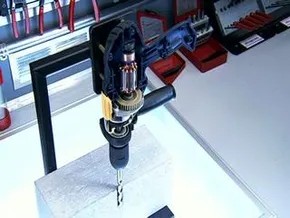
The drill press provides stability. Keep the drill bit completely perpendicular to the surface. This precision prevents the drill bit from breaking. Makes sure the holes are clean and accurate. If you regularly drill holes in hardened steel, rent or buy a drill press. It’s a complete game changer.
The Physics of the Cut: speed and pressure
Heat is the enemy. Friction produces heat. The heat softens the drill bit. A soft drill bit cannot cut hard steel. We need to break this cycle.
Use slow speed. If the rotation speed is high, too much heat is generated. Make sure the drill cuts, not scratches. Use steady, firm pressure. Don’t force it. Let the drill do the work. If you use too much force, the drill bit will break. If you drive too fast, it will overheat.
“The right combination of speed and pressure is important. With low speed and constant pressure, the drill can cut steel efficiently without overheating or rapid wear.”
Cooling: the role of the lubricant
You need to keep the drill bit cool. This is not negotiable. Use coolant or lubricant. Cutting oil is standard equipment. Reduces friction. Removes heat from the cut end.
Without lubrication, the drill bit breaks easily. they throw a tantrum. They become useless. Apply plenty of oil. Notice the smoke. If you see smoke, you’re either driving too fast or it’s too dry. Stop. cool. Add oil and restart.
Clarity is everything
A dull drill is dangerous. They need more pressure. The higher the pressure, the higher the heat. More heat means failure.
Sharpen the drill bit regularly. A sharp drill bit enables clean cuts. Requires less force. It generates less heat. It lasts a long time. If the drill bit is chipped or rounded, discard it. Don’t try to save it by applying too much pressure. Get something sharp.
Impact angle: 135 degrees
The shape of the drill bit is important. A standard drill bit usually has a 118 degree blade. This is too sharp for hardened steel. This acts like a wedge, forcing the material to separate instead of cutting.
Use a 135 degree angle drill bit. This wide point offers a better balance between sharpness and power. Penetrates hard materials more effectively. Reduces the possibility of the drill bit slipping on the surface. Look for the bit labeled “135 degrees” or “split point”.
Carbide-Tipped Drills: A Middle Ground
Carbide drill bits offer a different approach. A carbide tip is attached to the soft steel body. It has both toughness and hardness. The steel frame absorbs shocks. carbide tip provides the cutting edge.
If you occasionally drill through hardened steel, this is a versatile investment. Cheaper than solid carbide. Harder than solid carbide. This is a good balance for DIYers who don’t want to injury a carbide drill every other week.
Safety: Protect yourself and your equipment
Drilling through hardened steel produces sharp metal chips. This chip flies. It’s hot, isn’t it? they are dangerous.
Wear safety glasses. every time. Wear gloves to protect your hands from sharp edges. Make sure the equipment is in good condition. Check the tension of the seat. A loose drill bit can rotate and cause injury.
Final thoughts
Drilling holes in hardened steel is not easy. This requires patience. You need the right tools. Respect for the material is required.
Choosing the best drill bit for hardened steel means choosing carbide or cobalt. Using a drill increases stability. Keeping the drill bit cool with oil can extend its life. The sharpening of the drill bit ensures a clean cut.
This is not difficult. With the right approach, you can meet this challenge. Remember. Metal is hard. Your tools need to be harder. It requires infinite patience.
Frequently asked questions about steel drill bits
Which is more difficult: a cobalt drill bit or a titanium drill bit?
Titanium-coated drill bits are softer and suitable for wood and soft metals. Cobalt drill bits are harder and designed for durable materials such as cast iron and titanium. Expensive, but more effective against hardened steel.
What is a cobalt drill bit?
Cobalt drill bits are a mixture of steel and cobalt. Cobalt content typically ranges from 5% to 8%. It improves heat resistance and durability, making it an ideal additive for metalworking.
Can a titanium drill bit be used for metal?
Yes, the titanium drill bit can be used for metal. However, these are not the best choice for hardened steel. Cobalt drill bits are a better albeit more expensive, option, but they are expensive.
**Whichever is best