Many gardeners pre-soak seeds to improve germination rates, but not all seeds need this treatment. Understanding which seeds benefit from soaking—and which don’t—can make a significant difference in your garden’s success. The key lies in seed coat thickness and dormancy mechanisms.
Why Soak Seeds?
Seeds with hard outer shells often struggle to absorb water quickly enough to begin the germination process. Soaking softens these shells, allowing moisture to penetrate and activate the dormant embryo inside. This is especially crucial for woody ornamentals and native perennials, as explained by Rebecca Sideman, a professor of sustainable agriculture at the University of New Hampshire.
Moisture and warmth are the two most important factors for germination, even before seedlings develop leaves to photosynthesize. Some plants have built-in dormancy that requires soaking (or stratification) to overcome before they’ll sprout.
When to Soak
Soak seeds no more than 8–12 hours before planting, ideally one or two days before you intend to sow. Prolonged soaking can lead to rot and kill the embryo. Always check the seed packet instructions first; many modern seeds have been pre-treated to avoid this step.
Tiny seeds with thin shells do not need soaking. In fact, soaking them can cause clumping, making them difficult to sow.
Best Soaking Practices
Follow these steps for optimal results:
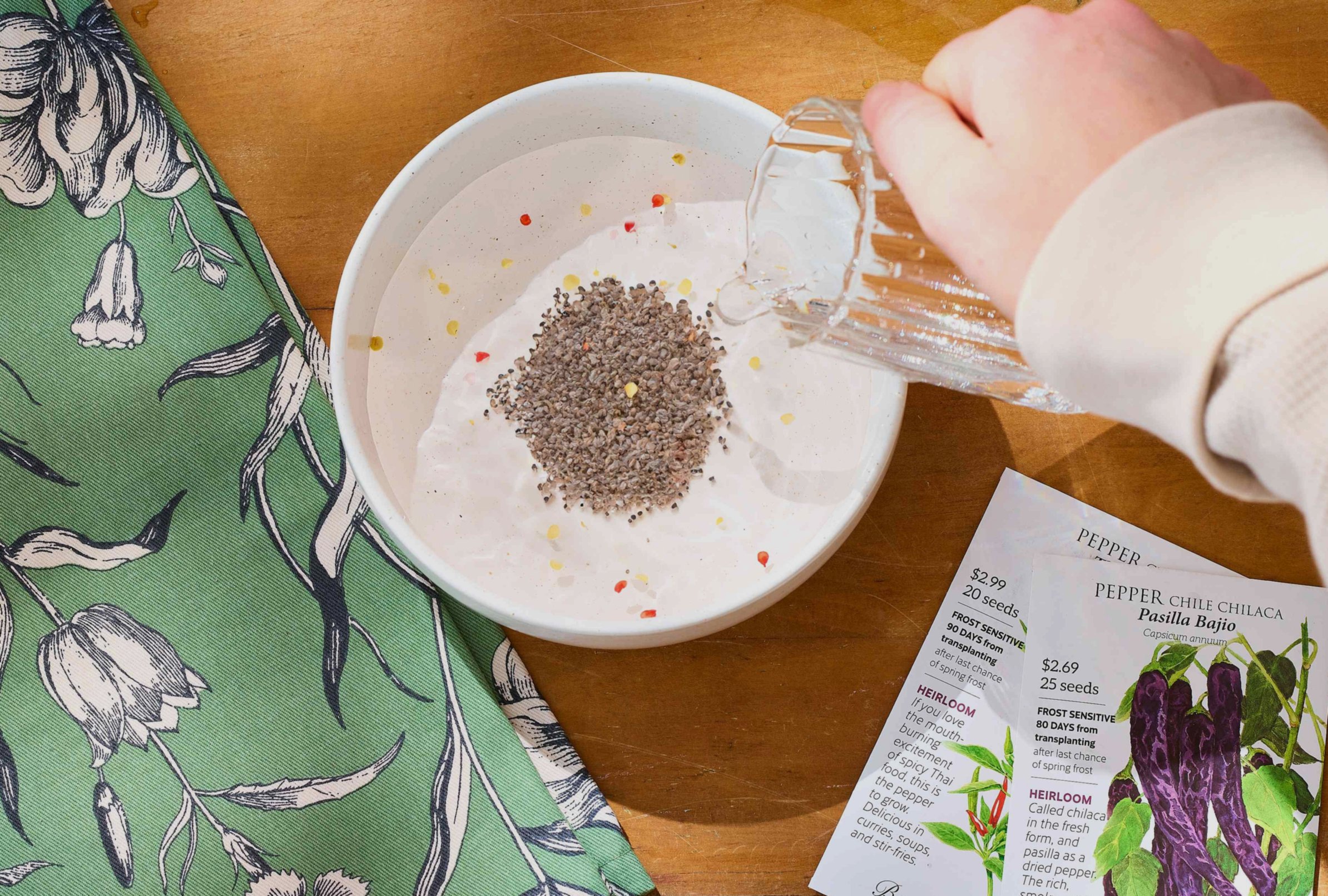
- Use warm water in a shallow bowl, covering seeds by about an inch.
- Keep the bowl in a warm, room-temperature spot away from direct sunlight.
- Don’t soak for longer than 24 hours.
- Discard floaters: Any seeds that float after soaking are likely old or unviable.
- Drain thoroughly using a fine-mesh sieve.
- Plant immediately: Keep the seeds moist; don’t let them dry out.
Seeds That Benefit From Soaking
Large seeds with tough coatings are the best candidates for soaking. Some examples include:
- Squash, beans, and peas: These often require a boost to break down their outer layers.
- Beets, corn, and cucumbers: Soaking can dramatically improve germination.
- Hard-coated ornamentals: Canna lily, lupine, milkweed, and rosemary also benefit from pre-soaking.
For exceptionally hard seeds (like squash), light scarification can help. Master gardener Catherine Boeckmann suggests gently nicking the seed coat with nail clippers to create an entry point for water. Avoid damaging the seed inside.
Full list of seeds that benefit from soaking:
- Beans
- Beets
- Canna Lily
- Corn
- Cucumber
- Gourds
- Lacy Phacelia (Phacelia tanacetifolia)
- Lupine
- Milkweed
- Morning Glory
- Nasturtium
- Okra
- Parsley
- Passiflora (Passiflora caerulea)
- Peas
- Peppers
- Pumpkin
- Rosemary
- Sunflower
- Sweet Pea
- Swiss Chard
- Wild Indigo (Baptisia)
- Winter Squash
Seeds That Don’t Need Soaking
Most smaller seeds, with thinner shells, don’t require soaking and may even suffer from it. Skip soaking for seeds like lettuce, carrots, radishes, or anything very fine.
In conclusion: Seed soaking is a useful technique, but it’s not a universal requirement. By understanding your seeds’ needs, you can optimize germination and improve your garden’s success.