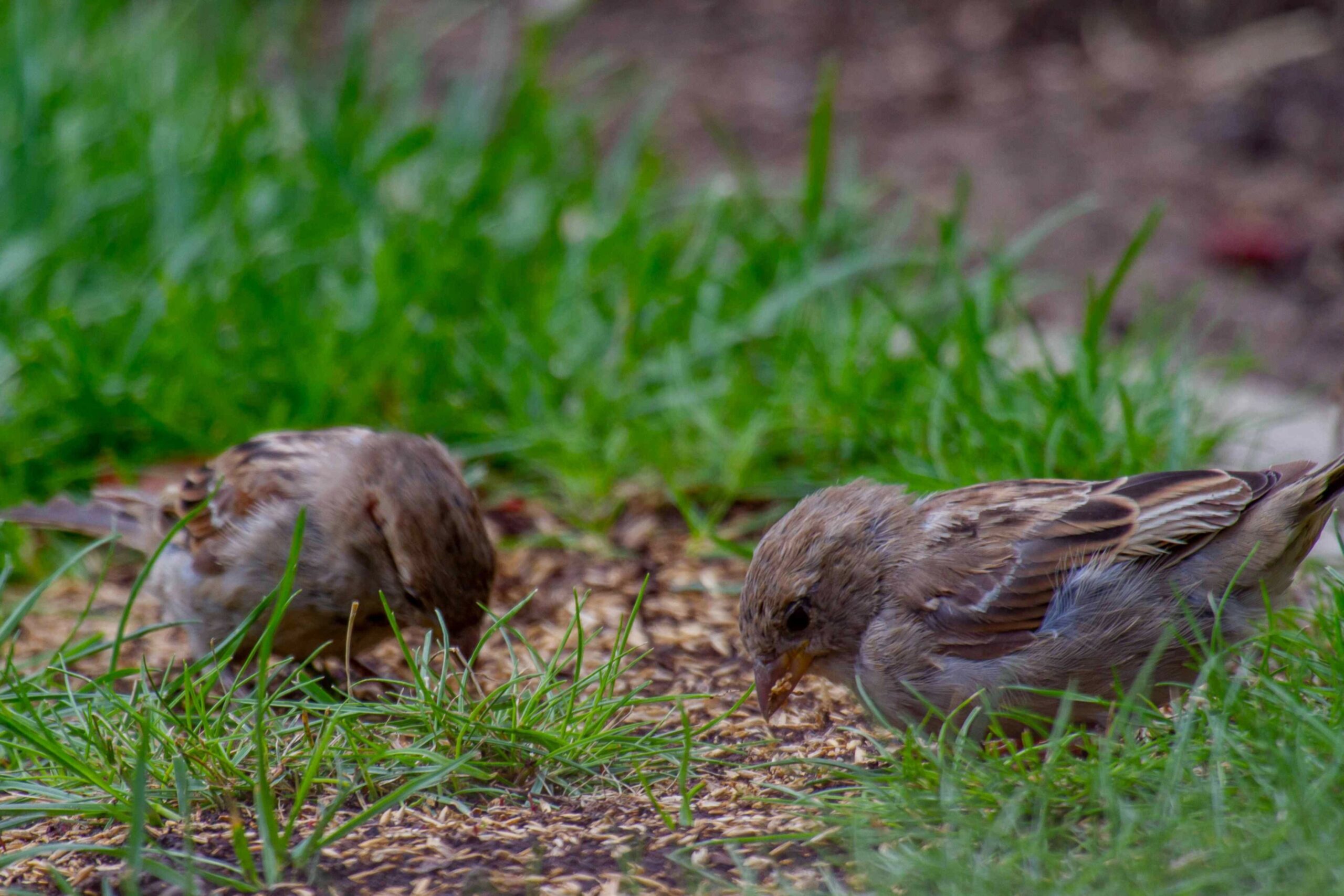
Newly sown grass seed is an easy target for birds, who don’t discriminate between wild and cultivated food sources. Fortunately, lawn care professionals offer several practical, safe methods to keep birds from raiding your lawn. The key is to make the seed less accessible or less appealing while still allowing healthy germination.
Natural Barriers: Mulch and Soil Cover
One of the simplest approaches is using natural mulch. According to landscaper Juan Romero of Green Grounds Solutions, a light layer of straw or shredded leaves can obscure the seeds from birds’ view without hindering sunlight or moisture. However, avoid overdoing it; too much mulch can prevent germination. Biodegradable options are ideal as they enrich the soil over time.
Another effective barrier is simply covering the seeds with a thin layer of fresh topsoil. Lawn care specialist Chrissie Handley from Online Turf explains that birds are less likely to forage if they can’t see the seed on the ground, and this method also boosts germination success.
Visual Deterrents: Movement and Reflection
Birds are easily startled, so visual deterrents can disrupt their feeding patterns. Romero suggests using colorful flags that move in the wind to create a sense of unease. The key is regular repositioning ; birds quickly adapt to static objects. Combining different deterrents, such as flags with faux owl or hawk statues, can be even more effective, as these predators naturally scare smaller birds away.
Over-Sowing and Physical Barriers: Netting and Blankets
If prevention fails, overcompensate by sowing extra seed. Handley recommends this approach, as birds will inevitably eat some, and more seed ensures adequate coverage.
For a more direct solution, use physical barriers. Netting creates an impenetrable layer without harming birds, and allows for air and moisture to pass through. Seed blankets or burlap sheets offer a similar benefit, while also protecting against wind or rain erosion. Corey Welch, CEO of Mow & Snow Technologies Inc., emphasizes the importance of securing the edges of these materials with stakes or rocks to prevent them from shifting in the wind.
Ultimately, protecting new grass seed from birds requires a multi-faceted approach. Combining barriers with deterrents and over-sowing ensures successful germination, even with persistent birds.