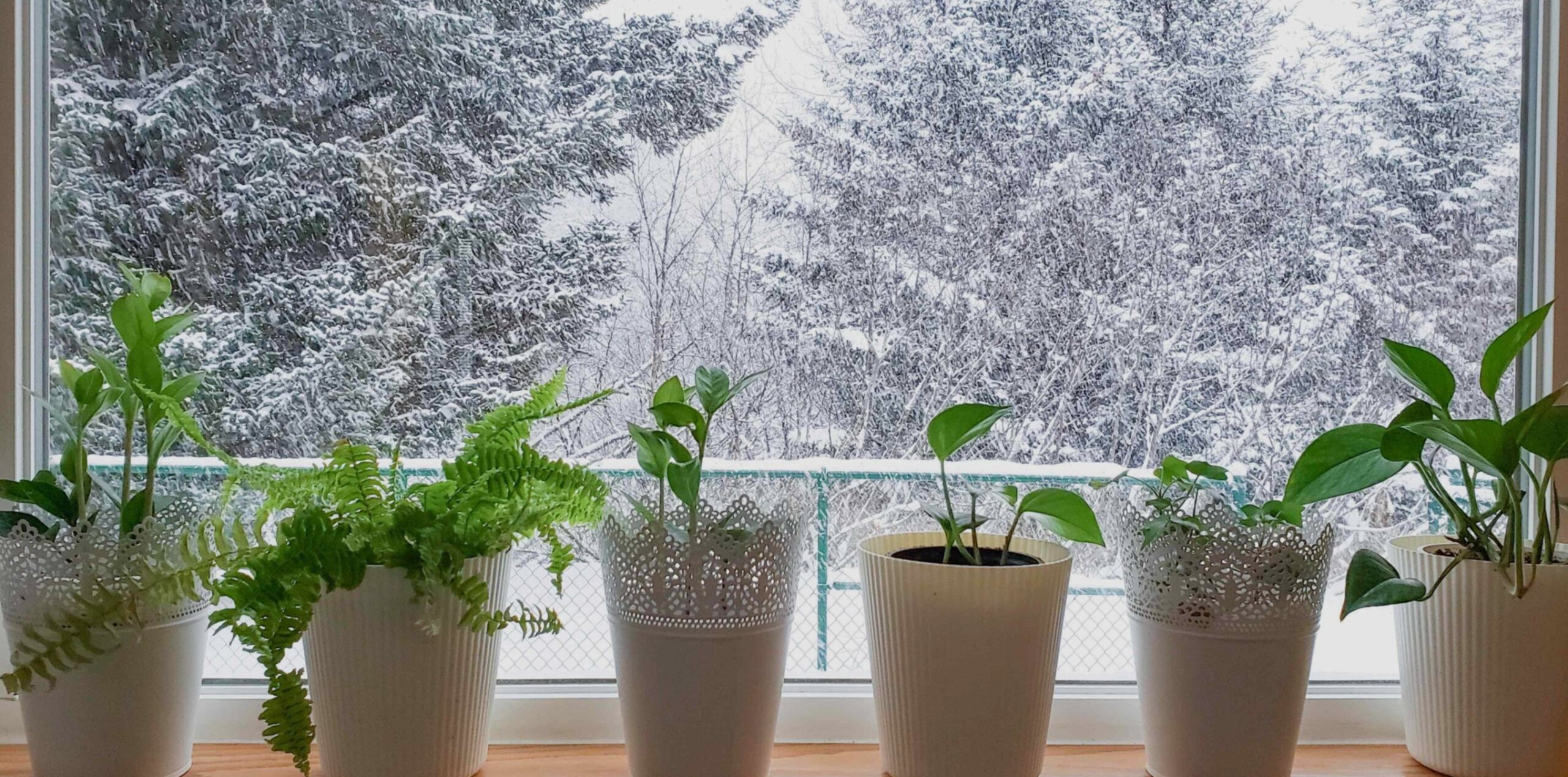
Winter poses unique challenges for houseplants, often leading to decline if basic care isn’t adjusted. Reduced daylight and drier indoor air dramatically impact plant health, but simple adjustments can ensure survival. Here’s how to avoid common pitfalls and keep your indoor garden thriving through the colder months.
Overwatering: The Silent Killer
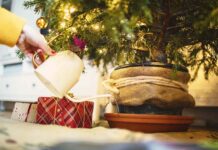
The most frequent cause of winter houseplant death is overwatering. As growth slows with less sunlight, plants absorb far less water. Continuing summer-like watering schedules quickly leads to soggy soil, suffocating roots, and ultimately, root rot.
Instead of rigid schedules, check moisture levels. Insert your finger or a wooden skewer into the soil; water only when it’s dry a few inches down. Allowing plants to slightly wilt before watering can be a good indicator.
Ignoring Dormancy: Stop Fertilizing
Just as plants slow growth in winter, they also don’t need fertilizer. Continuing to feed them during this dormant period can cause nutrient buildup, leading to “burn” – crispy, damaged leaves. Excess salts accumulate in the soil, harming roots.
If you’ve already over-fertilized, flush the soil with deep watering to leach out excess nutrients. But generally, hold off on fertilizer until spring when growth resumes.
Insufficient Light: A Critical Factor
Low winter light levels stress plants, especially tropical species. While some perennials naturally go dormant, others require supplemental light. Consider moving light-hungry plants closer to brighter windows or investing in grow lights to sustain growth.
Basil and other herbs, in particular, benefit from artificial light during the darker months.
Temperature Swings: A Hidden Threat
Indoor heating systems create dramatic temperature fluctuations that harm plants. Plants prefer consistent temperatures between 65°F and 75°F, but furnaces and drafts often expose them to extreme heat or cold.
Keep plants away from vents, radiators, and drafty windows. Use a thermometer to find the most stable location in your home. Browning leaf tips are often a sign of temperature stress.
Low Humidity: A Dry Air Problem
Winter air is notoriously dry, often dropping below 20% humidity – a major issue for tropical plants like Rex begonias and calatheas, which need 40-50% humidity.
A humidifier is the best solution. Alternatively, grouping plants creates a localized microclimate with higher humidity. Misting is largely ineffective because the moisture evaporates quickly.
Pest Infestations: A Stress-Related Risk
Stressed plants are more susceptible to pests thriving in warm, dry indoor conditions. Regular inspections of leaves and potting mixes are crucial for early detection.
Allowing soil to dry between waterings not only prevents root rot but also helps control fungus gnats, whose larvae breed in soggy conditions. Proactive pest control is far easier than fighting a full-blown infestation.
In conclusion, winter houseplant care requires adapting to the season’s changes. By adjusting watering, lighting, temperature, humidity, and pest control, you can ensure your indoor garden survives – and even thrives – through the colder months. Ignoring these adjustments risks unnecessary plant loss, while proactive care guarantees a vibrant, healthy indoor jungle.