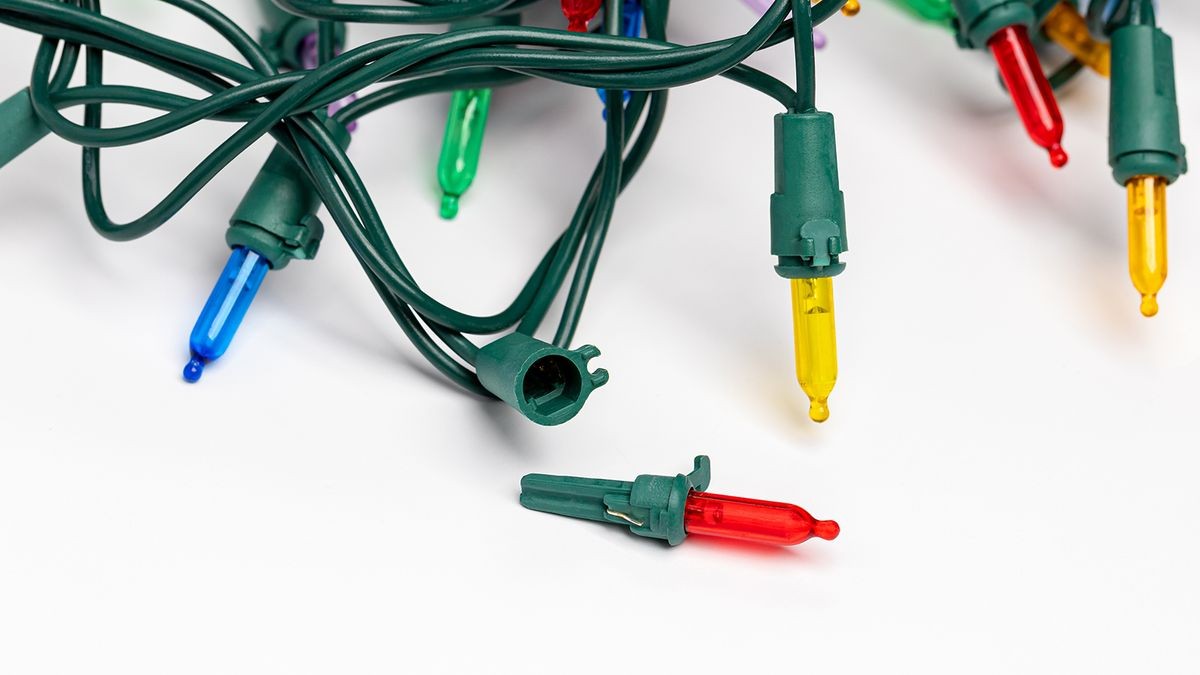
Many holiday celebrations depend on the festive glow of Christmas lights, but when a string goes dark, it can quickly dampen the mood. The good news is that most lighting issues are fixable with a bit of troubleshooting. Whether you’re dealing with older incandescent strands or modern LEDs, a systematic approach can restore the cheer.
Step 1: Verify Power and Inspect the Plug
The first step is always the simplest: ensure the lights are plugged into a working outlet. Test the socket with another device to confirm it’s receiving power. Then, carefully examine the plug itself. Look for physical damage – cracked casings or bent pins – that could interrupt the connection. Many older light strings also contain small fuses within the plug. If a fuse is blown, replacing it with the correct type and voltage can instantly revive the entire string.
Step 2: Check the Fuse
Open the fuse compartment in the plug using a small screwdriver. Most strings contain two fuses. If one appears burned out (often visible as a broken filament inside), replace it. This is a common fix that can restore power quickly. Keep in mind, fuses are designed to protect the lights from overcurrent, so if it blows again immediately, there’s likely a deeper problem.
Step 3: Isolate Faulty Bulbs
For incandescent lights, a single burned-out bulb can kill the entire circuit. Start at one end and visually inspect each bulb. Look for darkened or broken filaments. If you find a suspect bulb, pull it out and replace it with a matching one. LED strings are more resilient, with multiple segments wired in parallel. A faulty LED might only affect one section, not the whole strand.
Step 4: Tighten Loose Connections
Loose bulbs are surprisingly common. Gently press each bulb into its socket to ensure a secure fit. Bulbs that pop out easily or feel wobbly should be replaced. Even a slightly dislodged bulb can interrupt the electrical flow.
Step 5: Use a Light Tester
If half the lights work and the other half don’t, a light tester can pinpoint the exact break in the circuit. These tools detect electrical current and help you identify the faulty bulb quickly. Once located, replace it.
Step 6: Avoid Risky Repairs
If you can’t fix the lights by replacing bulbs or fuses, don’t attempt to cut and reconnect wires. Altering the number of bulbs changes the voltage distribution, potentially blowing out the remaining lights. In this case, the safest option is to replace the entire string. Tampering with electrical connections can be dangerous and void any safety certifications.
Step 7: Test Before Decorating
Before hanging the lights, plug in the repaired string to confirm everything works. There’s nothing worse than decorating only to discover a section has failed.
Prevention is key. Store lights carefully to avoid wire damage, label broken strings for easy disposal, and keep spare bulbs and fuses on hand. Avoid mixing LED and incandescent strings on the same circuit, as the higher power draw of incandescent lights can damage the LEDs.
With a little patience and care, you can keep the holiday spirit glowing bright.