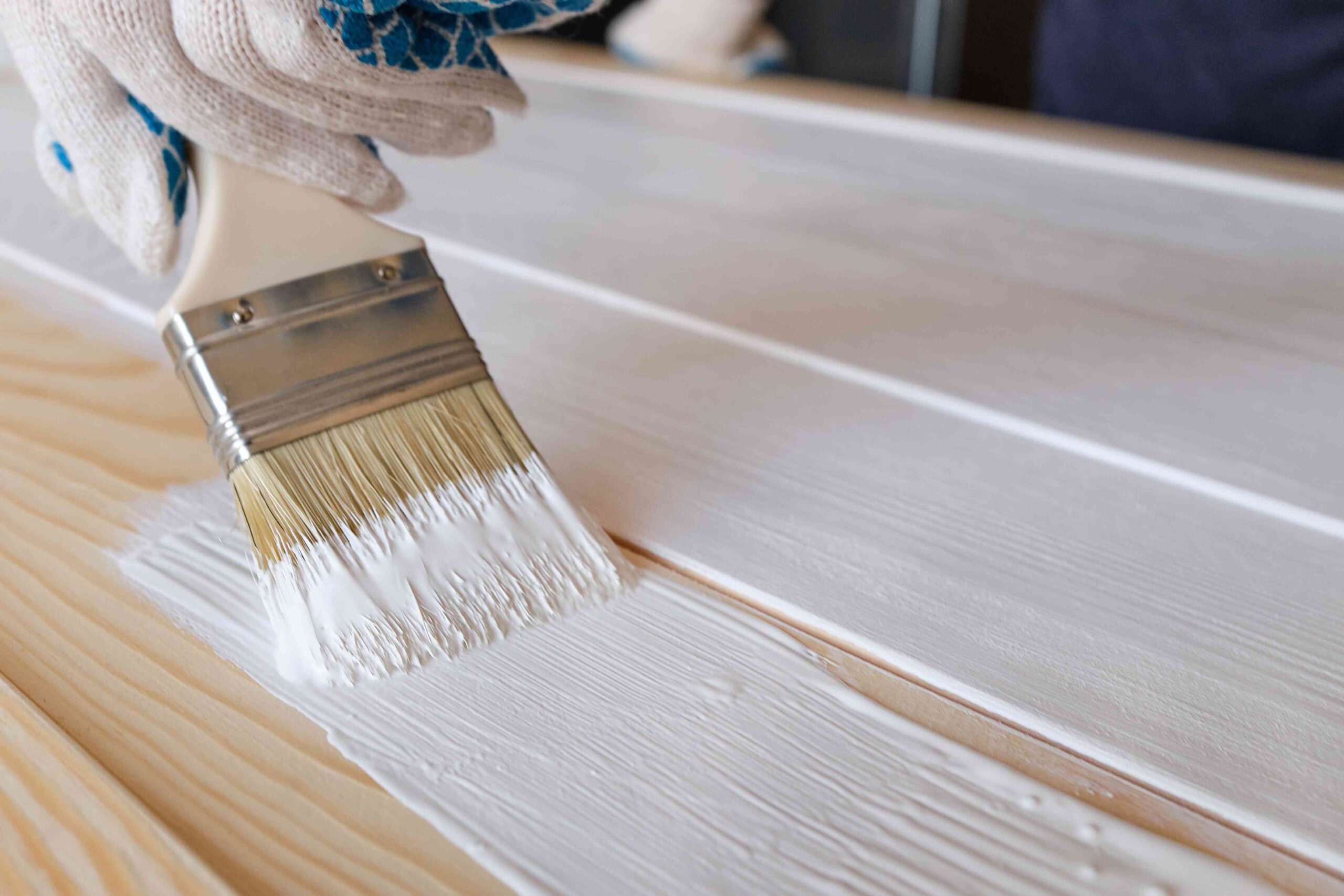
Home improvement projects can save money and add personality to your living space. However, some surfaces are better left unpainted, according to renovation and DIY professionals. Attempting to paint certain items can lead to wasted effort, poor results, or even safety hazards. Here’s what experts advise against repainting, along with why.
Bathtubs: A Recipe for Mold
Painting a bathtub may seem like a quick fix for an outdated fixture, but it’s a short-lived solution. No paint can withstand the constant moisture and heat of a bathtub environment, leading to inevitable peeling and, more importantly, mold growth.
Painting pro Anthony Lara suggests that instead of attempting a DIY job, it’s better to either hire a professional refinisher or replace the tub entirely if your budget allows. The long-term costs of failed paint jobs and mold remediation outweigh the initial savings.
Door Knobs and Handles: Paint Won’t Stick
Updating hardware with paint seems straightforward, but metal door knobs and handles pose a challenge. Paint struggles to adhere to high-sheen metal, and constant contact with hand sweat further compromises the finish.
Lara recommends professional refinishing for hardware you want to keep, but for items you dislike, replacement is the more effective option. This avoids the frustration of chipping paint and a sticky, unreliable finish.
Floors: Temporary Fixes Don’t Last
Painting floors in high-traffic areas—like basements—is a waste of time and materials. While paint can provide a temporary cosmetic change, it won’t withstand foot traffic, wear, and tear.
Handyman Rick Berres suggests that floors should be replaced rather than painted. Vinyl flooring is a particularly durable and affordable DIY option that will last longer than a painted surface.
Appliances: Fire Hazard and Peeling Paint
Painting appliances is not only ineffective but also dangerous. Most paints are flammable, and electrical appliances present a risk of sparks igniting the coating. Beyond safety, painted appliances quickly peel and chip, creating an unsightly mess.
Avoid painting appliances altogether. If you dislike their appearance, consider replacing them rather than risking a fire hazard or a constantly deteriorating finish.
Antiques: Don’t Erase History
Vintage furniture and antiques possess unique character because of their age and patina. Covering these details with paint destroys the very qualities that make the item valuable.
Experts agree that altering an antique’s original finish diminishes its appeal. If you want a modern look, purchase new furniture instead of ruining a piece of history.
“The unique details of antiques are what people look for,” experts say. “Painting over them destroys their value.”
In conclusion, while DIY painting can be a cost-effective home improvement method, certain surfaces require professional treatment or replacement. Attempting to paint bathtubs, metal hardware, floors, appliances, or antiques is likely to result in wasted effort, poor results, and potential safety hazards.