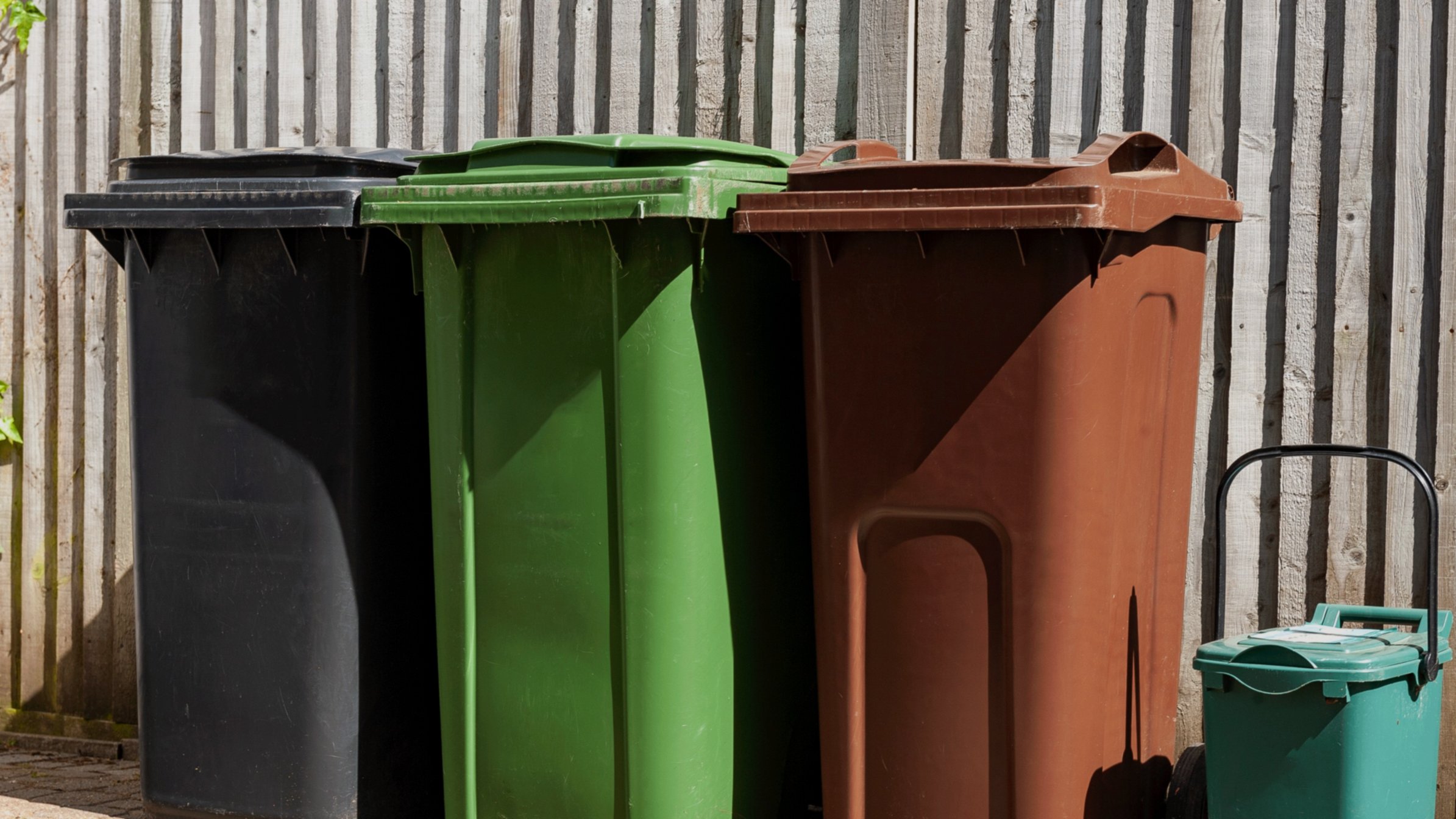
England’s recycling system underwent significant changes this week, introducing standardized rules across all councils to eliminate confusion and boost recycling rates. These new guidelines, enforced starting March 31st, aim to end the “recycling postcode lottery” where rules varied by region. The goal is to make it easier for households to recycle correctly, reducing contamination and improving efficiency.
Core Changes to Recycling Collection
Under the new regulations, waste collectors are now mandated to collect four distinct waste streams separately:
- Food and garden waste: Collected weekly from every household.
- Paper and card: Combined collection is permitted in some areas.
- Dry recyclables: Glass, metal, plastic, and cartons – can be mixed together.
- Residual waste: Non-recyclable materials.
Why this matters: The old system created confusion, leading to recyclable materials ending up in general waste. Standardizing rules simplifies the process for both residents and waste management facilities, increasing the likelihood that valuable resources are properly processed instead of being incinerated or landfilled.
What Can You Recycle Now?
The new system clarifies what goes where:
Paper and Card
All clean paper and cardboard are now accepted, including:
- Newspapers and magazines
- Envelopes (with plastic windows removed)
- Flattened cardboard boxes
- Office paper
Dry Recyclables
Bottles, jars, cans, and foil can all be combined in a single recycling bin. This includes:
- Clean food and drink containers (glass, metal, plastic)
- Empty aerosol cans
- Rinsed food tins
- Foil packaging
- Shampoo and conditioner bottles
Food and Garden Waste
Weekly collection of food waste is now mandatory. Accepted items include:
- All uneaten food and plate scrapings
- Dairy products, eggs, and eggshells
- Fruit and vegetable waste
- Moldy or expired food
- Raw and cooked meat/fish (including bones)
- Tea bags and coffee grounds
Garden waste collection is optional for councils but may be collected alongside food waste. Check local guidelines for specifics.
The Importance of Clarity
According to Claire Shrewsbury, Director Insights and Innovation at WRAP, a climate action NGO, confusion leads to unnecessary waste. “We’re a nation of recyclers, but most households put two or more items in the rubbish each week that could be recycled – because of confusion.” Implementing simplified rules could significantly increase recycling rates, with even small changes having a substantial environmental impact.
Conclusion
The updated recycling rules in England are designed to streamline waste management and encourage greater participation. By following these guidelines and checking your local council’s specific requirements, you can contribute to a more sustainable future. The shift toward standardization is a crucial step in maximizing resource recovery and reducing landfill waste.