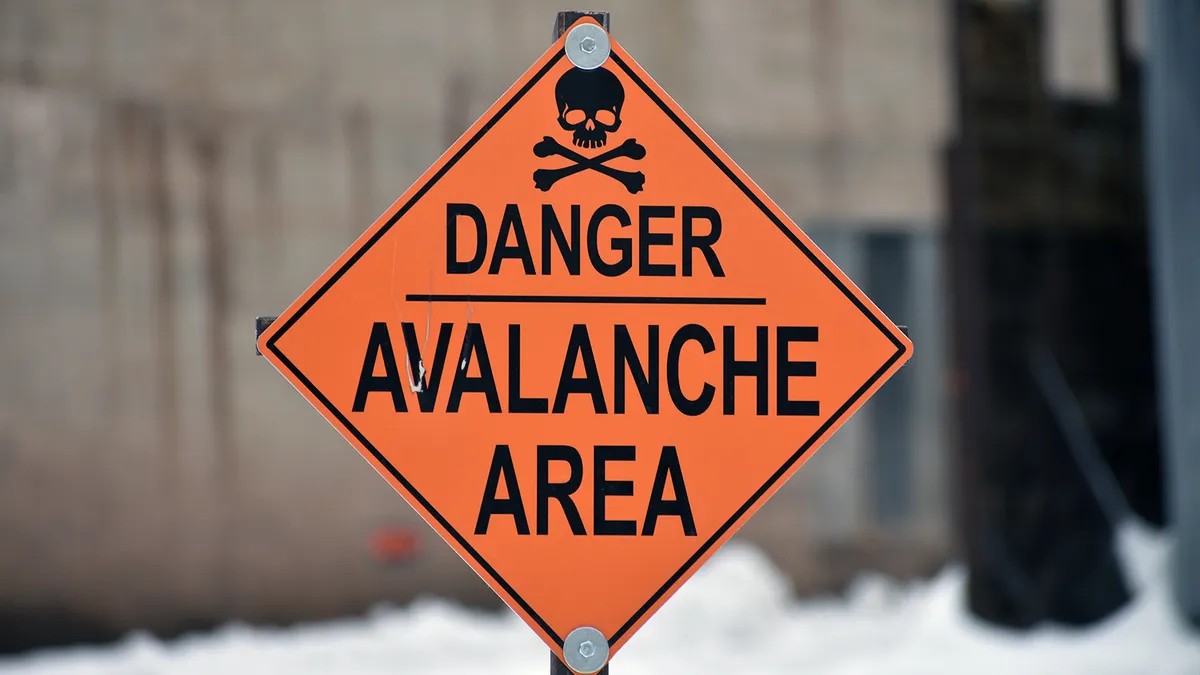
Avalanches are among the most fearsome natural disasters, capable of obliterating entire communities with little warning. While often associated with recreational risk in mountainous regions, their true destructive power lies in sudden, catastrophic events that have claimed thousands of lives. This article details some of the deadliest avalanches in recorded history, highlighting their impact and the conditions that led to such devastation.
The Huascarán Disaster: Peru’s Unmatched Tragedy
The single most catastrophic avalanche on record occurred in Peru on May 31, 1970. A powerful earthquake triggered a massive ice and rock slide from Mount Huascarán, unleashing a wall of snow and debris that buried the town of Yungay. Estimates range between 15,000 and 25,000 fatalities, making this the deadliest avalanche in history.
This event stands out not just for its scale but also for the vulnerability of the population. Yungay was situated in a high-risk zone with limited infrastructure or warning systems. The disaster underscores how geologic instability combined with human settlement can create conditions for unimaginable loss.
The Deadliest U.S. Avalanche: Washington State’s Rail Disaster
The deadliest avalanche in U.S. history struck near Stevens Pass, Washington state. During a heavy storm, two trains became stranded when an avalanche swept railcars into a gorge. A total of 96 people were killed in this event, which illustrates how even modern transportation systems are susceptible to the raw power of nature.
The incident highlights the dangers of rail infrastructure in avalanche-prone areas, and the need for robust monitoring and mitigation strategies.
Europe’s Alpine Tragedy: The Blons Avalanche
In Austria, a series of avalanches struck the village of Blons following heavy snowfall. The slides buried homes and claimed the lives of 57 residents, making it one of Europe’s deadliest alpine disasters.
This event underscores that even in developed countries with advanced weather monitoring, unpredictable conditions can overwhelm protective measures. The case raises questions about the long-term sustainability of settlements in high-risk mountain regions.
Why These Events Matter
These disasters are not isolated incidents. They represent a recurring pattern of devastation in mountainous areas worldwide. Avalanches are often underestimated as a natural hazard, yet their potential for mass casualties is undeniable. The increasing frequency of extreme weather events due to climate change may further elevate this risk in the future.
These events serve as a stark reminder of the power of nature, and the importance of proactive disaster preparedness, especially in vulnerable communities.