Design professionals are increasingly vocal about certain home decor trends that peaked in the 2010s but now read as dated. While these choices were once fashionable, they’re now seen as impractical, lifeless, or simply overdone. Here’s a breakdown of what to avoid, and what designers recommend instead.
The Fall of the Farmhouse Aesthetic
The early 2010s saw an explosion of farmhouse-inspired interiors, but several key elements are now falling out of favor. Barn doors, for example, were a quick fix for space division but often lack privacy and soundproofing. Designers now suggest pocket doors as a cleaner, quieter, and more enduring alternative that also maximizes wall space for art or decor.
Similarly, shiplap walls – another farmhouse staple – are being phased out. Unless authentically original or thoughtfully integrated into a coastal design, they’re perceived as forced and outdated. Experts advise leaning into a home’s natural architecture and using decorative trim instead.
Color and Flooring Shifts
Gray floors, especially vinyl, are also losing appeal. Cool grays paired with gray walls and furniture created flat, lifeless spaces. The current preference leans toward warmer, more organic tones like hardwood, limestone, terracotta, or stone tile, which feel grounded and timeless. If replacing flooring isn’t an option, adding natural elements (like a contrasting rug) can help breathe life into the space.
The dominance of all-white kitchens is also waning. What once represented luxury now feels sterile and dated. Designers suggest varying tile shapes, or even embracing bolder color choices to avoid the “showroom” aesthetic.
The Rejection of Half-Measures
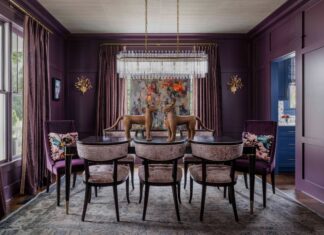
Designers are also dismissing timid design choices. Accent walls, those single pops of color or geometric patterns, were a cautious way to introduce boldness. Today, the recommendation is to fully commit —either with vibrant paint or immersive wallpaper patterns to create a cohesive look.
The Return of Defined Spaces
Open floor plans, once hailed as modern living, are now criticized for ignoring practical needs. The pandemic underscored the importance of dedicated spaces for work, relaxation, and family life. Designers suggest prioritizing functional separation over sprawling, undefined areas.
Curated Over Coordinated
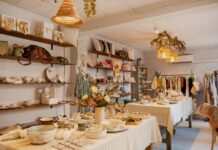
Finally, matching furniture sets are seen as uninspired and impersonal. The emphasis has shifted toward curated spaces built over time from diverse sources like thrift stores, flea markets, and vintage finds. The goal is personality, not showroom uniformity.
Designers agree that the key to a modern home is authenticity, warmth, and a rejection of trends that feel forced or lifeless. The focus is now on timeless materials, curated spaces, and designs that reflect individual lifestyles rather than fleeting fads.
The shift reflects a broader move away from rigid trends toward more personal and enduring design choices. These changes aren’t just about aesthetics; they’re about how people actually live in their homes.