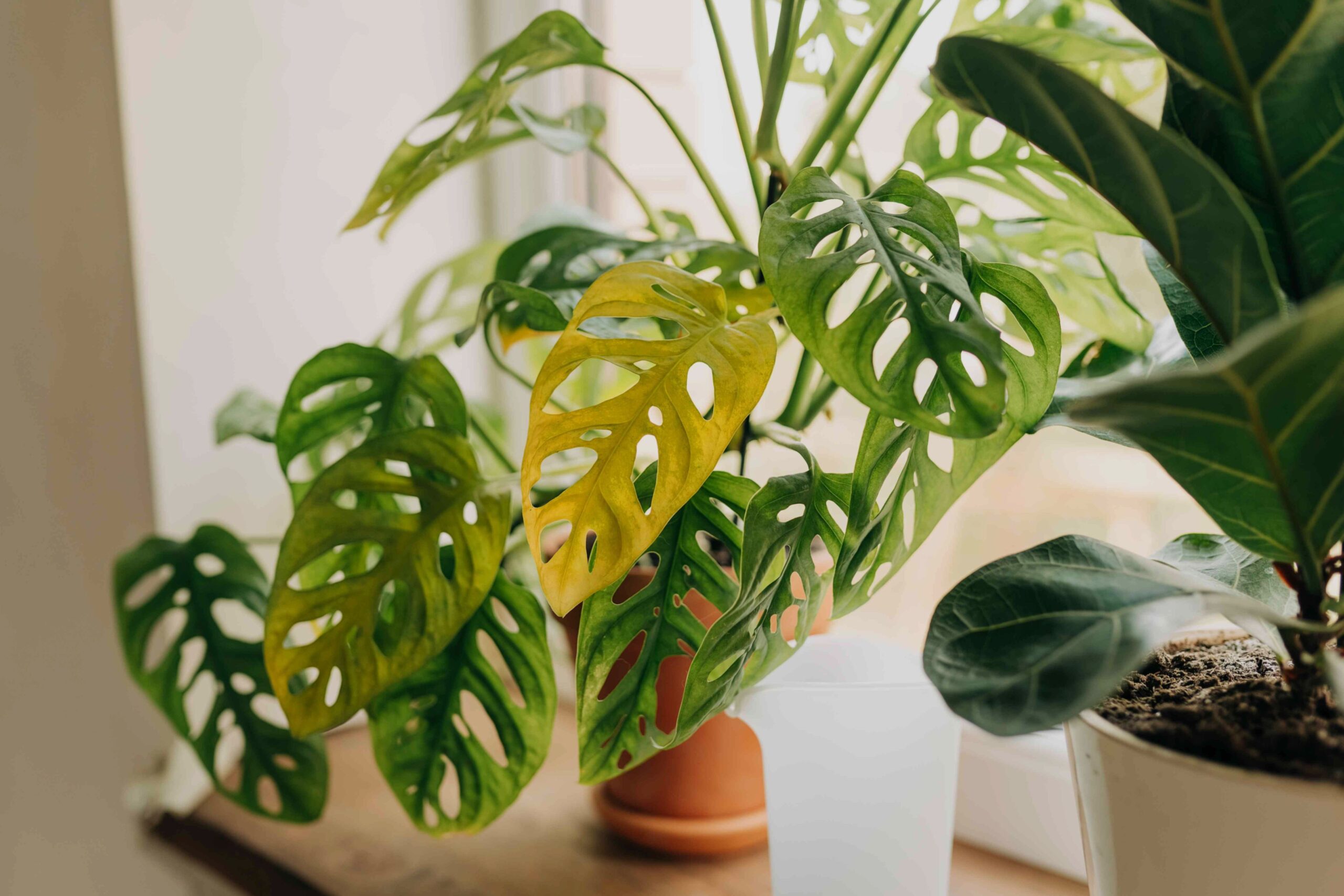
Many new plant owners panic when they see yellowing leaves, crispy edges, or sudden wilting. However, not every change in appearance means your plant is dying. In fact, some of these so-called “red flags” are completely natural parts of plant life, temporary adjustments, or easily corrected environmental factors.
Understanding Yellowing Leaves
Yellowing leaves are often the first sign of trouble for many plant parents. But according to horticultural experts, leaf yellowing has two main causes: natural aging, and stress. Plants, like all living things, have a natural life cycle. Individual leaves will eventually age and die off, which is nothing to worry about.
However, widespread or rapid yellowing usually indicates stress. This could be from an abrupt change in environment—like moving from a nursery to your home—and is often temporary. Prolonged stress, such as overwatering or underwatering, will keep the yellowing going, and could eventually kill the plant if not addressed.
Crispy Leaves: It’s Often About Placement, Not Neglect
Brown, crispy tips and edges on leaves can look alarming, but are often caused by simple environmental issues. Drafts from windows, heating vents, or cold air can cause leaves to dry out. The solution is often just moving the plant to a more stable location.
Another common culprit is low humidity. Many houseplants come from tropical environments with high humidity levels, and dry indoor air can cause leaves to crisp. Increasing humidity with a humidifier or grouping plants together can help.
Dramatic Wilting: Some Plants Are Just Overreactors
Certain plants, like peace lilies and fittonias, are known for dramatically wilting when slightly dry. This can look like an emergency, but is often just their way of signaling thirst. A good watering will usually perk them right back up.
However, persistent wilting despite proper care could indicate root damage or poor drainage. These issues need attention to avoid long-term harm.
Leggy Growth: A Sign of Light Hunger
Stretching stems with sparse leaves (leggy growth) often happens when plants aren’t getting enough light. This isn’t a death sentence, but a clear signal to move the plant closer to a window or supplement with an LED lamp. Pruning the stretched stems and propagating the cuttings can also encourage bushier growth.
Leafless Stems: Climbing Plants Need Support
For climbing species like monsteras, failing to provide a support structure can lead to leafless stems. These plants naturally prioritize growth up rather than out, and will shift to “runner growth” if they can’t climb. Providing a moss pole or trellis will encourage leaf production.
Ultimately, many plant behaviors that seem alarming are simply part of natural growth or temporary adjustments. Paying attention to your plant’s environment and responding to its needs—rather than panicking over every change—will lead to healthier, happier houseplants.