Many people struggle with persistent clutter despite their best efforts at organization. According to professional organizers, the problem isn’t usually a lack of containers—it’s a disconnect between storage systems and real-life habits. If your spaces consistently feel chaotic, it’s time for a serious reassessment.
Overstocked Pantries: A Common Trap
A packed, disorganized pantry is a major red flag. Experts note the tendency to overbuy, leading to expired items, forgotten bulk purchases, and wasted space. People often forget what they already have, exacerbating the issue with wholesale shopping trips.
The solution? A complete pantry reset. Remove everything, group similar items together to see exactly what you have, and ruthlessly discard expired or unwanted food. Before restocking, inventory what you need and consider using an app like AnyList to avoid duplicates. Reducing packaging – removing cereal from boxes, clipping bags, and consolidating into bins – can also create surprising amounts of space.
Overflowing Storage Bins: Containment Before Acquisition
If items spill out of storage containers, the system was likely designed after acquiring the clutter, not before. This means you didn’t edit your belongings before creating the system.
The fix is simple: Edit first, then contain. Reduce the volume of items before choosing containers. Once you have a manageable amount, select bins that fit the remaining categories.
Misplaced Items: Systems That Don’t Match Behavior
Constantly finding belongings in the wrong places indicates a mismatch between your storage system and how you actually use the space. For example, if shoe storage is in a bedroom when shoes are always dropped in the mudroom, the system isn’t working.
Adapt storage to your routines. Incorporate shoe storage in the mudroom itself (shelves, benches, or cubbies). If only one person maintains the system, it’s doomed. Use labels to make it clearer for everyone involved – a bin labeled “batteries” removes ambiguity.
Chaotic Linen Closets: A Catch-All for Everything
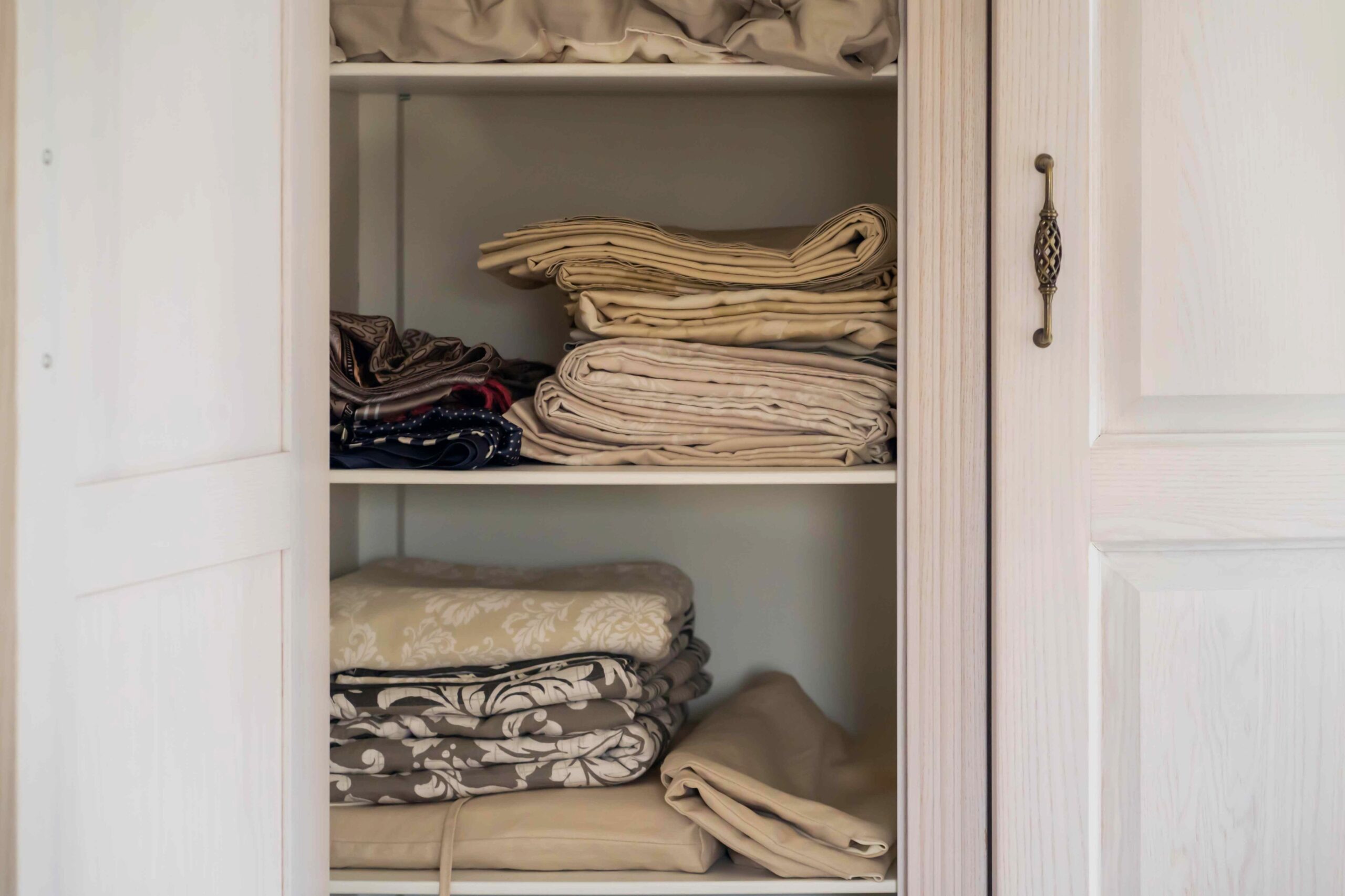
Stuffed linen closets are often a sign of good intentions gone awry. These central locations become dumping grounds for toiletries, candles, gift wrap, and more.
Edit ruthlessly. Remove torn, stained, or outdated linens. Donate unused guest sets. Group matching sets and label them to find them faster. If space is tight, rotate seasonal items elsewhere. Even if storage is limited, paring down and organizing will make a significant difference.
Effective organization isn’t about buying more stuff; it’s about aligning storage with your habits and ruthlessly eliminating what you don’t need.
Ultimately, a failing storage system isn’t a sign of weakness, but a signal to reassess. By editing possessions, adapting spaces to routines, and using clear labels, households can move from chaos to calm.