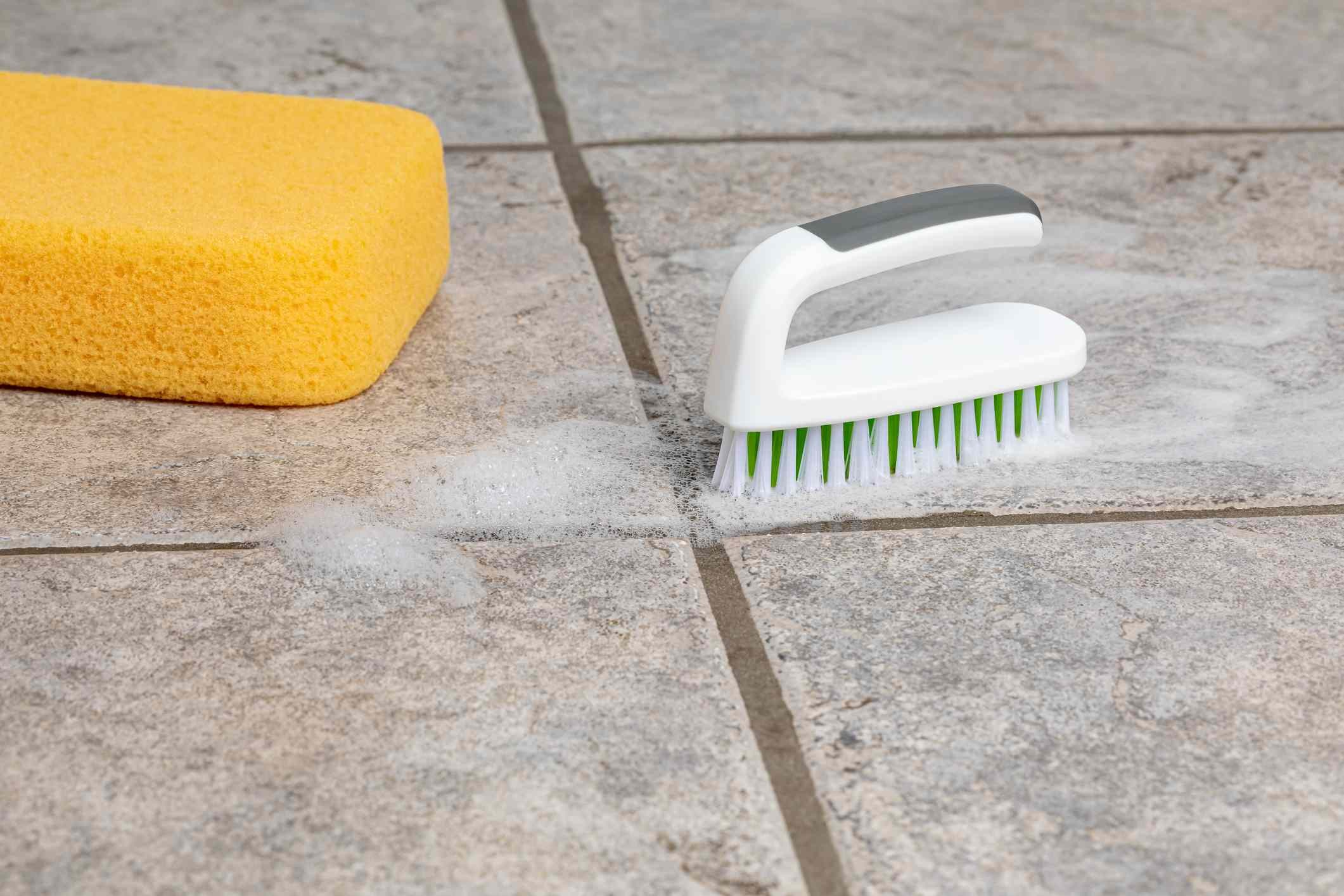
Many people feel they spend hours cleaning, yet their homes still feel… unfinished. The problem isn’t a lack of daily effort, but neglecting the occasional, thorough deep clean. While routine maintenance fights surface grime, a deep clean resets your space, eliminating the accumulated dirt and dust that daily chores miss.
This guide, compiled from professional cleaning insights, shows you how to achieve a top-to-bottom refresh in a single day.
The First Step: Declutter and Tidy
Before breaking out the cleaners, clear the chaos. Deep cleaning around clutter is inefficient. Spend 10–15 minutes quickly putting things away. If items don’t have a home, create a temporary “TBD” box; dealing with it later is better than slowing down the clean now.
This is also an ideal time for a quick assessment of what you own. While a full purge isn’t the goal, recognizing excess clutter will make future cleaning faster. As Alicia Solodko of AspenClean notes, “Cleaning around clutter wastes time, so start by decluttering and creating space.”
Prepare Each Room Strategically
Deep cleaning isn’t just scrubbing; it’s systematic removal of all dirt and debris. Begin with a dry sweep – vacuuming and dusting – to lift the bulk of loose particles. This makes subsequent wet cleaning more effective.
Solodko emphasizes this: “The golden rule of deep cleaning is to start with thorough prep. Dry prepping with a vacuum and duster will make mopping and wiping much easier.”
Prioritize High-Impact Areas
Not every room needs equal attention. Focus on areas that directly affect hygiene, odor, and visual cleanliness: the kitchen and bathrooms. These spaces handle perishables and odors, making them prime breeding grounds for grime.
Sofas and beds also deserve high priority, given their frequent use. Rhonda Wilson of FreshSpace Cleaning suggests tackling the toughest tasks first. “I do the toughest scrubbing while energy is still high instead of saving it for the end when I’m already tired.” Start with immediate wins—like loading the dishwasher while kitchen surfaces soak—to maintain momentum.
Don’t Neglect Hidden Spots
A true deep clean tackles the overlooked areas. This means cleaning air vents (including kitchen hoods), baseboards, inside cupboards, trash cans, doors, and even the inside of appliances. These spaces accumulate dust and grime unnoticed during routine cleaning.
Also, pay attention to high-visibility areas that still build up dirt over time. Staircase railings, for example, are often overlooked. Wilson recommends wiping railings first, letting dust fall naturally before moving to other surfaces.
Methodical Execution: Top-to-Bottom, Side-to-Side
To ensure thoroughness, work systematically. Start at one point in a room and move across the ceiling, then walls, and finally the floor. This prevents re-cleaning and missed spots.
Consider dust fall. In the bedroom, strip and change sheets first, so the dust falls to the floor, which you’ll vacuum last. This minimizes spreading particles. “Work through the space from top to bottom and from one side to the other to avoid re-cleaning or missing spots,” Solodko advises.
Establish a Maintenance Routine
Finally, create a post-deep-clean maintenance list. This includes daily and weekly tasks to prevent grime buildup and reduce the work needed for the next deep clean. Consistency is key to maintaining a truly clean home.
Deep cleaning isn’t just about scrubbing; it’s about strategic efficiency. By following these steps, you can reclaim a fresh, hygienic living space in just one day.