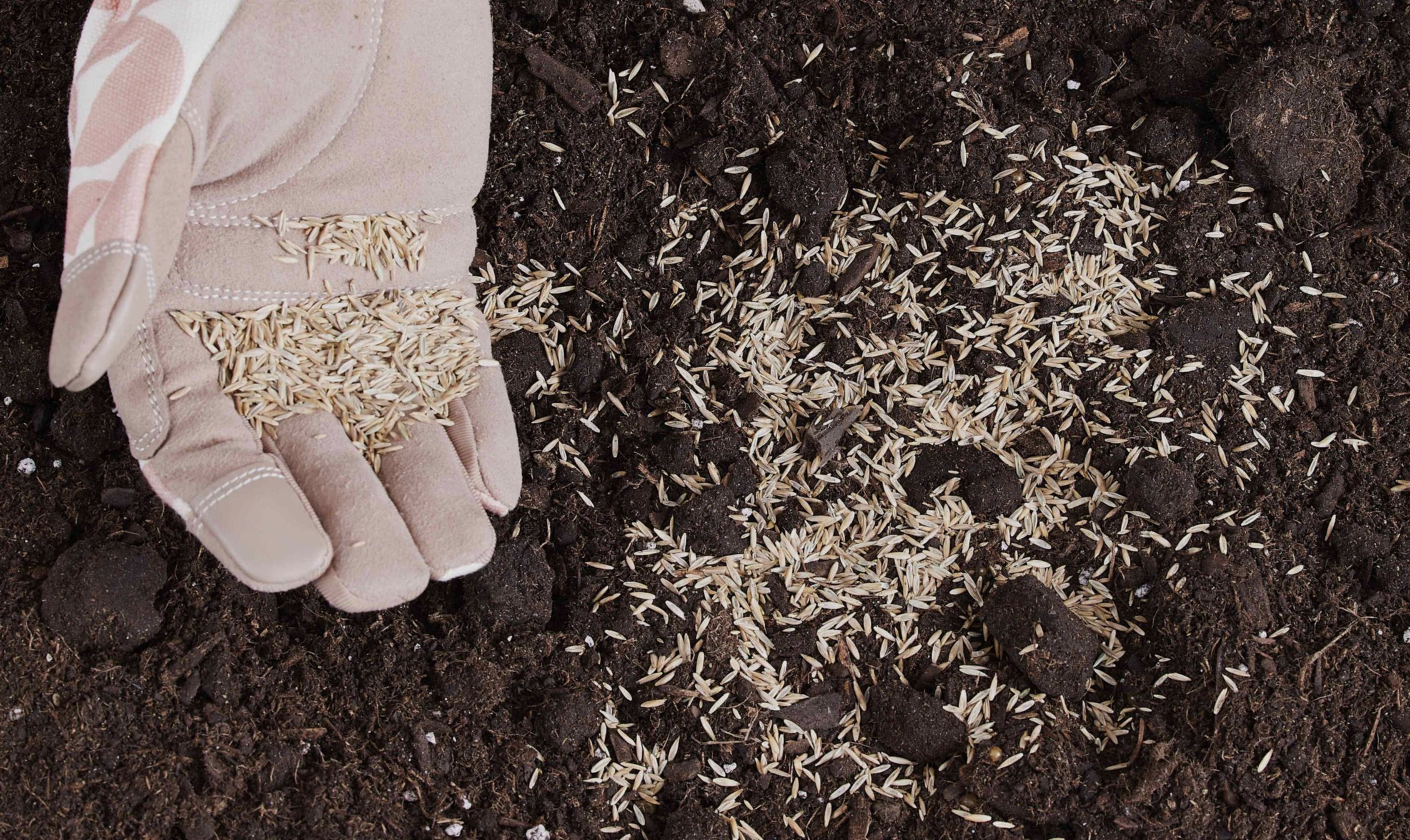
Reseeding your lawn or filling bare spots is a common spring task for homeowners, but success hinges on timing. Simply scattering seed without considering climate, weather, and grass type can lead to wasted effort. This guide breaks down the best approach for planting grass seed, ensuring maximum germination and healthy growth.
Regional Variations in Planting Schedules
The ideal time to plant depends heavily on where you live. Soil temperature is key, but optimal ranges vary significantly across the U.S. Here’s a breakdown by region:
- Northeast (PA, NY, New England): Cool-season grasses thrive here. Aim for mid-April when temperatures consistently reach 60°F. Mountainous areas may require a delay due to lingering snow.
- Midwest: Similar to the Northeast, mid-April is generally ideal for cool-season grasses, with potentially earlier planting possible due to fewer late-season snowstorms.
- Mid-Atlantic (NJ, MD, VA, DE, WV, DC): This transition zone allows for earlier planting (mid-March) of cool-season grasses as soil warms faster. Southern portions may suit warm-season varieties.
- Southeast: Warm-season grasses are the only viable option due to high temperatures. Plant when daytime highs consistently reach 80°F.
- Northwest: Similar to the Northeast, but slightly milder. Cool-season grasses can be planted as early as mid-March in areas near transition zones.
- Southwest (CA, NV, AZ, NM): This arid region requires careful consideration of local microclimates and water availability.
Weather Indicators for Successful Seeding
Beyond regional averages, monitor the weather closely. Consistent soil temperatures between 60-70°F are ideal for most commercial grass seed mixes. Rainfall is beneficial, but excessive downpours can wash seeds away. A balance of sunny days and moderate moisture is optimal.
However, be aware that favorable growing conditions also encourage weed growth. If using pre-emergent herbicide, consider postponing seeding until fall to avoid inhibiting germination.
Cool-Season vs. Warm-Season Grasses: Knowing Your Type
There are two primary grass categories:
- Cool-Season Grasses: Plant in spring to establish growth before summer heat. Fall overseeding is also effective.
- Warm-Season Grasses: Thrive in warmer climates. Plant in spring or early summer when soil temperatures reach 65-75°F.
Choosing the right type for your region is critical. Planting cool-season grass in the Southeast, for instance, will likely result in failure.
Final Thoughts
Successful grass seeding isn’t just about throwing seeds on the ground. It’s about aligning planting with regional climate, soil temperature, and weather patterns. By carefully observing these factors, homeowners can dramatically improve their chances of a lush, healthy lawn.