Maintaining a water heater isn’t just about ensuring hot showers; it’s critical for efficiency, longevity, and preventing costly failures. Most homeowners don’t realize that sediment buildup – a natural byproduct of water heating – can severely impact performance and lifespan.
The Importance of Regular Flushing
Over time, minerals like calcium and magnesium settle at the bottom of the water heater tank. This sediment acts as insulation, forcing the heater to work harder and consume more energy. More importantly, it can cause corrosion, leading to leaks and premature tank failure. According to plumbing technician Josh Mitchell, neglecting this maintenance can shorten a water heater’s life by years.
The general recommendation is to drain and flush the tank every 6-12 months. However, frequency depends on water hardness. If you live in an area with hard water (high mineral content), flushing every six months is ideal. Older water heaters also benefit from more frequent attention.
Four Signs Your Water Heater Needs Flushing
Ignoring maintenance can lead to noticeable problems. Watch for these indicators:
- Foul Odors: Bacteria can thrive in stagnant water, causing unpleasant smells. Increasing the water temperature briefly (to 140°F for 8 hours) can kill bacteria, but flushing afterward is essential.
- Lukewarm Water: Sediment insulating the heating elements prevents efficient heating. Flushing removes the barrier.
- Strange Noises: Rumbling or popping sounds are often sediment trapped under the water, boiling as steam pockets form. Flushing eliminates this.
- Rusty Water: Rust-colored water signals corrosion. Flushing is necessary, but the anode rod may also need replacement to prevent further damage.
How to Drain Your Water Heater: A Step-by-Step Guide
Flushing a water heater takes time (several hours), so plan accordingly. Here’s the process:
- Shut Off Power/Gas: Turn off electricity at the breaker or gas supply valve.
- Close Cold Water Inlet: Locate and close the valve on top of the heater.
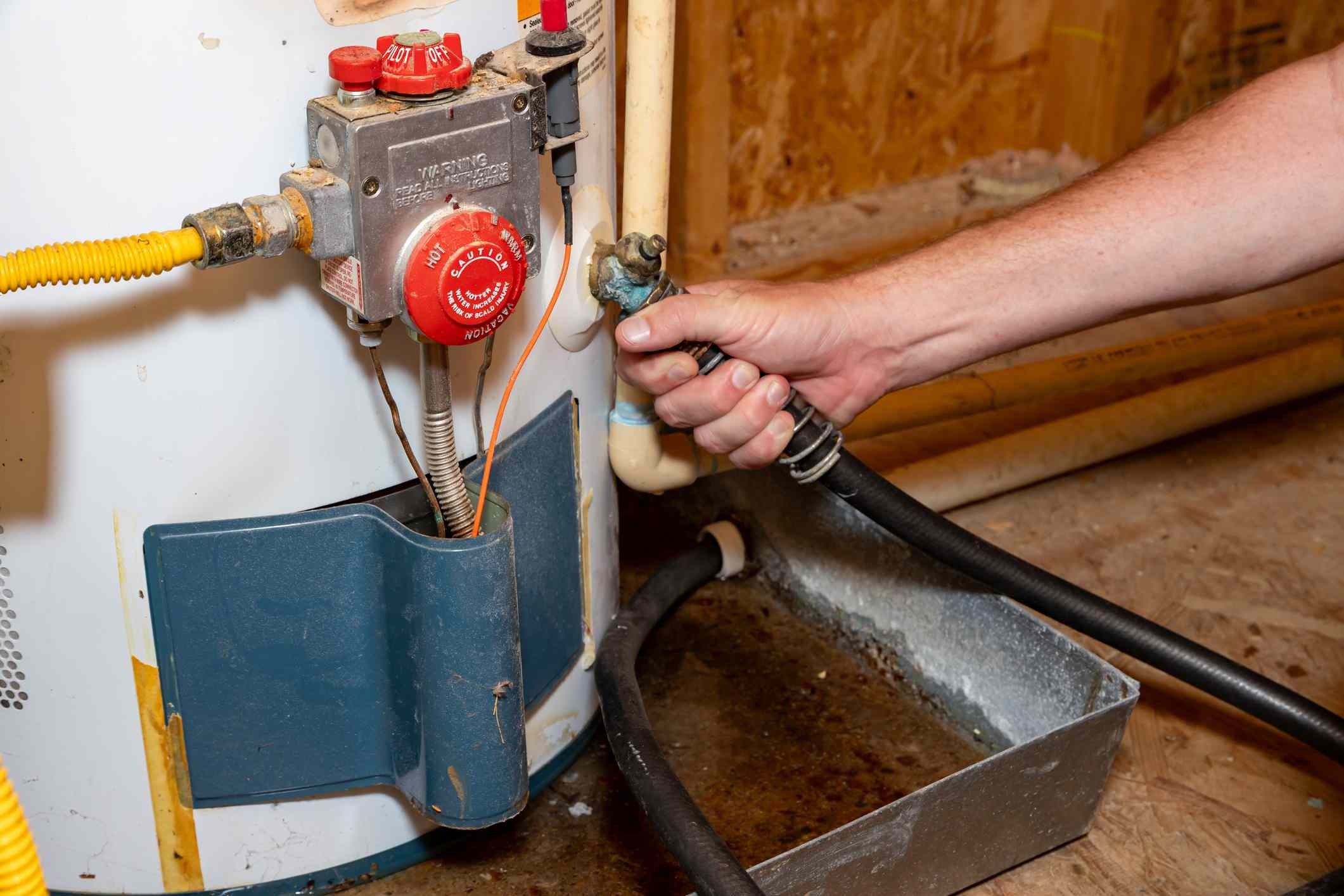
- Attach Hose & Drain: Connect a garden hose to the drain valve at the bottom and direct it to a drain.
- Relieve Pressure: Open a hot water faucet to allow air in and prevent vacuum buildup.
- Drain & Flush: Open the drain valve and let the tank empty. Then, briefly open the cold water inlet to flush remaining sediment. Close drain valve.
- Refill & Restart: Let the tank refill completely before restoring power or gas.
Caution: Never turn the heater back on before it’s full; this can burn out the heating element.
The Consequences of Neglect
Failing to maintain your water heater isn’t just an inconvenience; it’s a financial risk. Sediment buildup leads to inefficiency, higher energy bills, and eventual tank failure. According to Mitchell, regular draining can extend the life of your heater by 3-5 years.
Timing Matters
While you can flush your water heater at any time, spring or fall is optimal. These seasons offer moderate water usage, avoiding peak demand during winter or summer when hot water is most critical.
In conclusion: Maintaining your water heater through regular flushing isn’t just about convenience; it’s about protecting your investment, saving money, and ensuring a reliable hot water supply. Ignoring this simple task can lead to costly repairs or premature replacement.