Your hairbrush isn’t just a styling tool; it’s a collection point for dead skin, shed hair, oils, product residue, and dust. Ignoring this buildup isn’t just unhygienic—it transfers dirt back into your hair, impacting scalp health and even causing breakage. A clean brush extends its lifespan, protects your hair, and keeps your scalp healthier. Here’s how to do it.
Why Cleaning Matters
Most people don’t think twice about cleaning their hairbrush. Yet, daily use means it accumulates debris that can irritate the scalp, contribute to frizz, and even weaken hair over time. The unseen gunk on your brush isn’t just gross—it’s a potential source of scalp issues and damaged hair. Neglecting this impacts not only your hygiene but the health of your hair itself.
Daily Maintenance: Quick Hair Removal
The easiest step is the most overlooked. Each day, remove loose hair from your brush using a pointed tool (like a thin comb or wooden dowel). Work slowly to avoid bending bristles. For stubborn tangles, scissors can help; just work over a trash can to avoid a mess. This prevents buildup from becoming excessive.
Deep Cleaning: Monthly Refresh
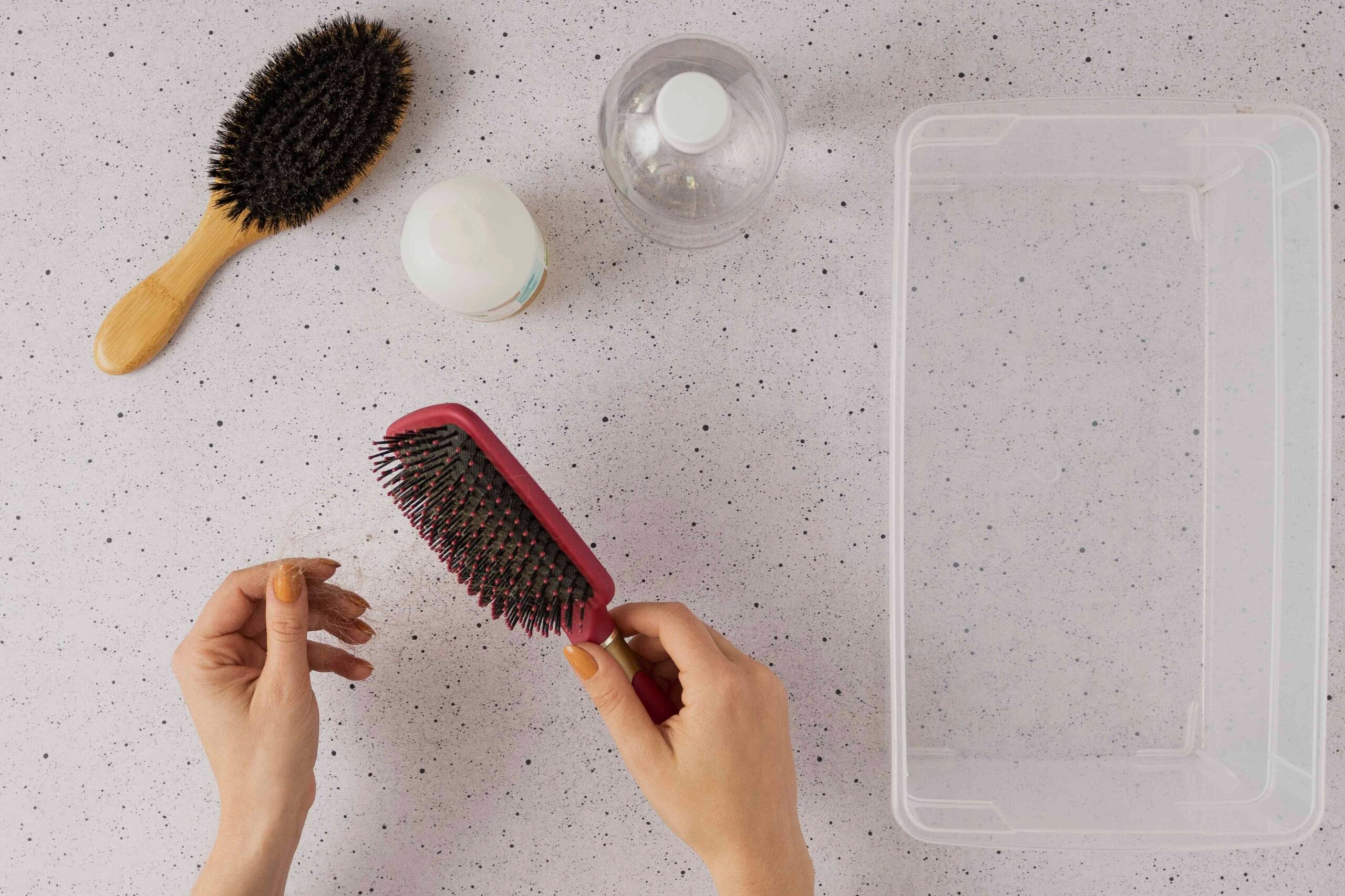
For a thorough clean, you’ll need:
- Scissors
- A bowl or container
- A pointed tool
- A clean toothbrush
- Hand and paper towels
- Warm water
-
Shampoo, dish soap, or body wash
-
Inspect the Brush: Check for damaged bristles or cracks. If the brush is falling apart, replace it.
- Remove Hair: Use the pointed tool to dislodge hair clumps.
- Cut Tangled Hair: Scissors make quick work of stubborn tangles.
- Rinse: Run warm water through the brush to loosen debris.
- Soak & Scrub: Fill a container with warm water and add shampoo (clarifying works best), dish soap, or body wash. Scrub the bristles and handle with a toothbrush. Dip and scrub repeatedly.
- Rinse Again: Flush out all soap residue.
- Dry Thoroughly: Towel-dry as much as possible, then lay face down on a clean towel or paper towel to air dry completely.
Brush Material Matters
Plastic brushes can tolerate soaking, but avoid prolonged water exposure for wooden handles, as this can cause warping or cracking.
How Often Should You Clean?
Remove loose hair daily. Deep clean monthly, or more often if you use a lot of product or notice significant buildup.
When to Replace Your Brush
Broken bristles or cracks mean it’s time for a new brush. A well-maintained brush lasts six months to a year with regular use. Continuing with a damaged brush can cause snags, breakage, and unnecessary frizz.
A clean hairbrush isn’t a luxury—it’s a simple step toward healthier hair and a healthier scalp. Don’t underestimate the power of a thorough cleaning routine.