The Tools
Here’s the truth about linen. It wrinkles. It’s in the DNA of the fabric.
Flax fibers are sturdy, sure. They pull sweat off your skin like a champ. Great for July. Bad for maintaining that razor-sharp suit look. Some people love the “just woke up on a yacht” vibe. I get it.
But if you want smooth? You have to earn it.
You don’t need a fancy machine. You just need water.
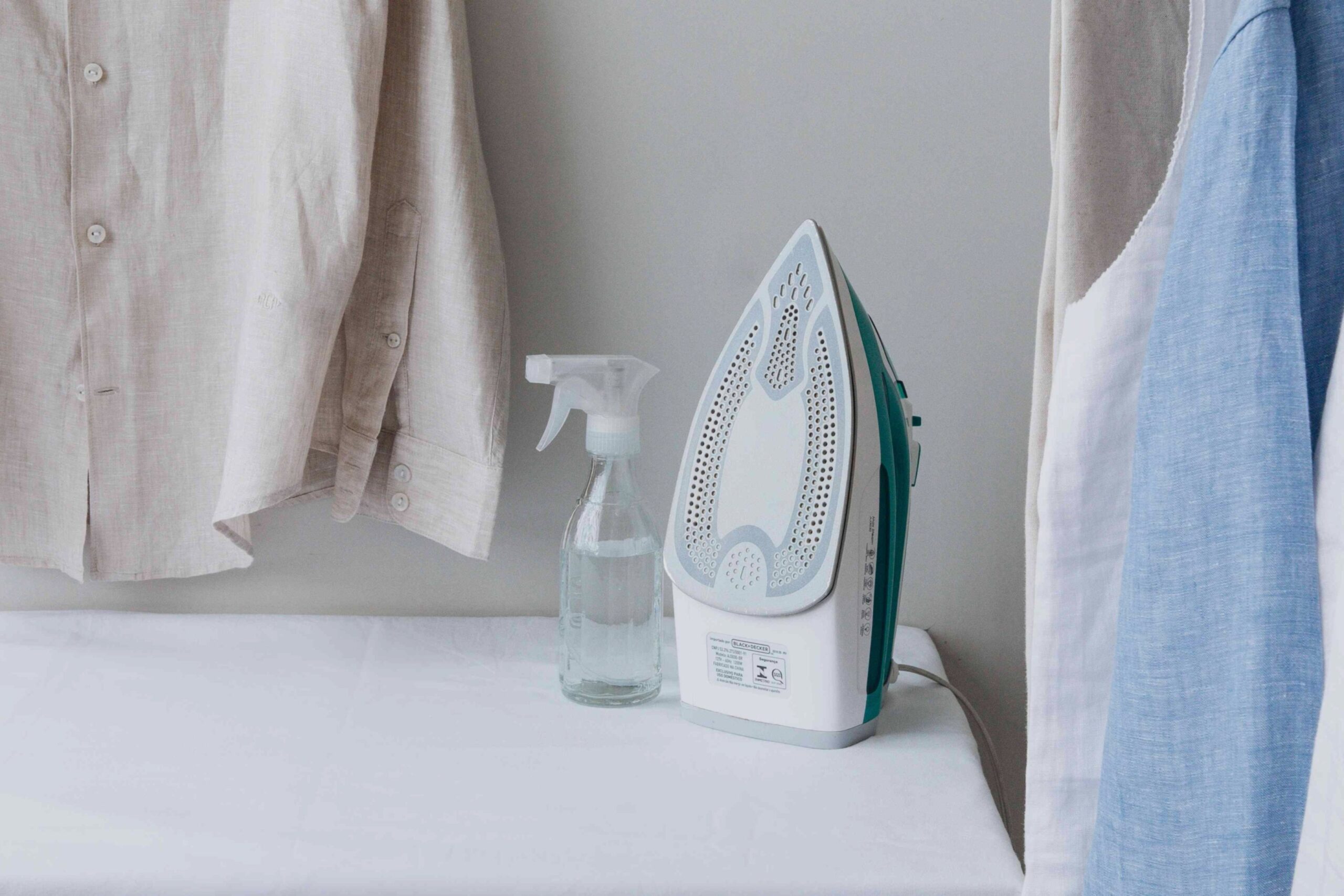
- Spray bottle. Fill it with plain tap water. Damp linen is ironable. Dry linen is a brick.
- Steam iron. Not the travel-sized toy. You need high heat and actual steam. A spray button on the iron helps too, but a separate bottle works better for large patches.
- Sturdy board. If your surface wobbles, you’ll get frustrated. A solid ironing board gives you room to breathe.
- Pressing cloth. Or a thin cotton towel. This stops the shine. Nobody likes shiny pants.
How To Do It
Start before you touch the iron.
Spray the garment. Every part of it. Collars, cuffs, the annoying little plackets with the buttons. Roll it up loosely. Let it sit. Five minutes. Ten if you can spare the time.
While the fabric soaks, prep the station. Set your iron to Linen/Cotton. High heat. Clean the faceplate if it’s gunky. Fill the tank.
If your board cover is stained or thin, lay down an old towel. This adds cushion. It saves your buttons from flattening. It saves you from scorch marks.
Iron on the wrong side. Always.
Inside-out keeps the fibers matte. Especially for dark colors where a single slip creates a ghostly shiny patch. If there’s embroidery? Flip it. Iron the design first while the fabric underneath is protected by the towel.
Start with the heavy hitters. Waistbands. Cuffs. Collars. These parts resist the most. Use extra water if needed. Keep the iron moving. Never hover. Hovering burns fabric. It’s fast, it’s loud, it ruins clothes.
As you press, tug the fabric gently. Straighten corners. Fix a twisted seam. The heat lets the fiber remember what a straight line looks like.
Want that stiff, crisp collar? Spruce it with starch. A light mist. It adds structure.
When you’re done? Hang it. Nowhere near other shirts. Give it room.
Don’t put it on immediately.
Let the fibers cool for 15 minutes. Wearing damp, hot linen just crumples it back into chaos.
How to Stop Doing It All Together
Ironing linen is tedious. Maybe skip it next time.
Embrace the creases. It looks casual. Intentional even. The more you wear it, the softer it gets. That’s the charm.
But if you need to be presentable?
Ditch the dryer. Take it out of the wash. Shake it like a wet dog. Hang it up.
Pull the seams straight while it’s soaking wet. Fix the hems. Let it air dry on a padded hanger. The tension of drying smooths out a lot of the chaos.
Still see lines? Use a handheld steamer. It’s faster than an iron. Gentler. It won’t give you that flat, press-shop look, but it removes the sharp, ugly creases from folding.
Avoid fabric sprays unless you test them first. Some cause weird spots on dark linen. Trust nothing until you verify.
And seriously? Don’t fold linen in the drawer. Hang it. Give it elbow room. Overcrowded closets create permanent wrinkles.
Common Questions
Can’t get those wrinkles out?
Make sure the fabric is damp. Use the steam blast. If that fails, lay a cotton T-shirt over the linen as a shield. It prevents shine and adds friction.
Steaming or ironing?
Steaming wins. It’s quicker. Less chance of ruining the shirt.
Ironing a linen suit?
Check the label first. Dampen it lightly. Iron inside out. Focus on the collars and pockets. Hang to dry completely before you dare step out.
So, will you fight the fabric or dance with it? Either way, just keep it damp.