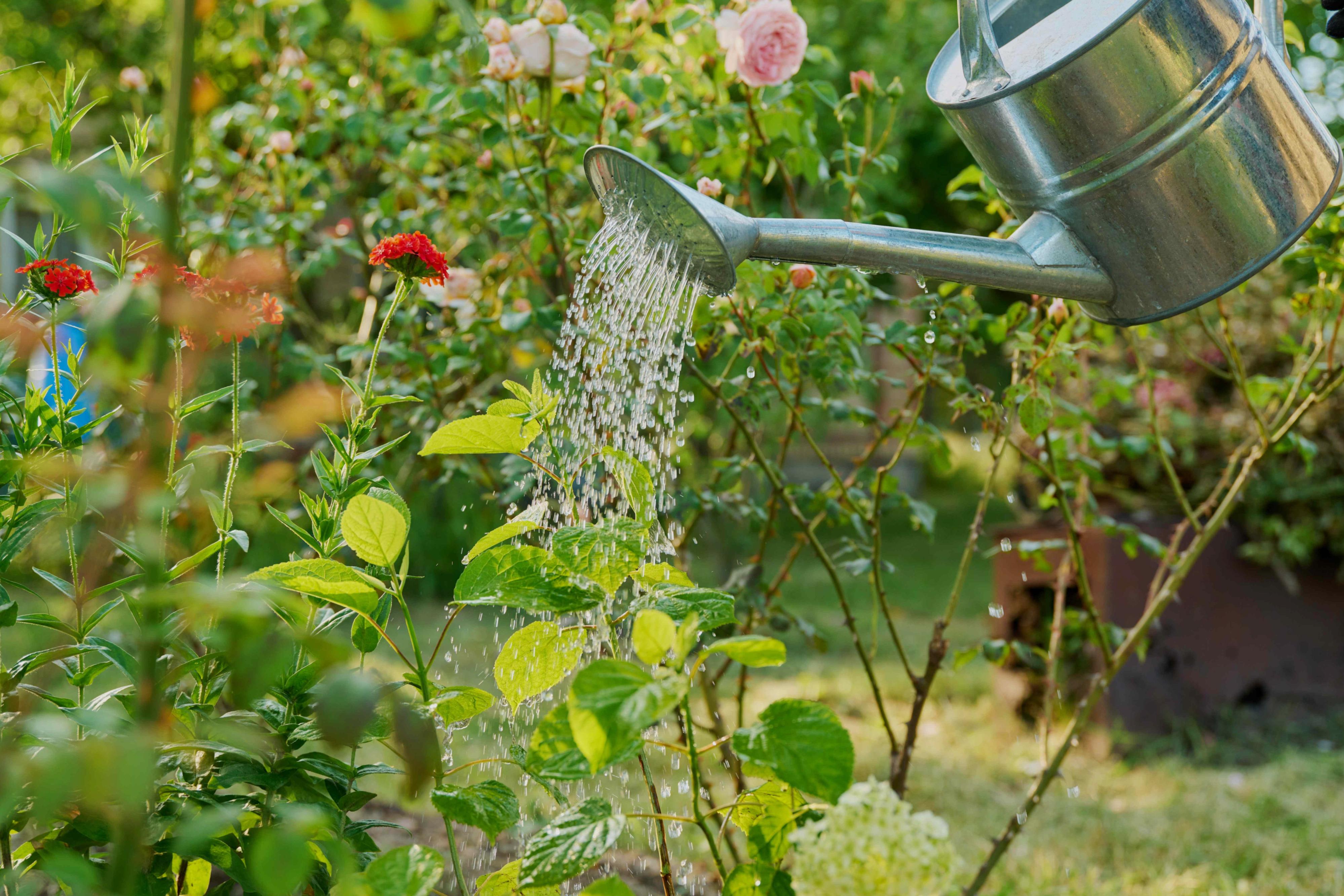
Watering plants at the wrong time can be as damaging as underwatering. Garden experts agree that watering during peak sun hours—typically between 10 AM and 4 PM—is generally ineffective and can even stress plants. The heat causes rapid evaporation, meaning much of the water never reaches the roots. This isn’t just a waste of water and effort; it can also shock plants with sudden temperature changes.
The Science Behind Timing
The key is maximizing absorption. Plants need water to reach their roots, and evaporation defeats that goal. According to Morris Hankinson, managing director of Hopes Grove Nurseries, watering during midday is a common mistake.
There’s one exception: if a plant is severely heat-stressed and immediate action is needed, deep watering is better than letting it suffer. Hankinson states, “Better to help a struggling plant than find it hard to revive later.”
Best Practices for Watering
The ideal time to water is early morning, before 9 AM. This allows the soil to absorb water before the sun’s intensity rises. Ali Lijee, founder of TreeMend, recommends this approach, noting that even midmorning is acceptable in cooler weather. Evening watering is also effective, especially during hot summer days, as it gives plants time to hydrate after the heat subsides.
However, evening watering can attract slugs, so morning is preferable if pest control is a concern.
Smart Watering Habits
Beyond timing, several habits improve water efficiency and plant health.
- Establish a Routine: Make watering part of your daily schedule. Even waking up 15 minutes earlier can make a difference.
- Skip Daily Lawn Watering: Grass recovers quickly from brief dryness. Prioritize garden plants that need consistent moisture.
- Water at the Soil Level: Focus on delivering water directly to the roots, not spraying the leaves. This minimizes disease risk.
- Wipe Leaves Dry: Water droplets on leaves can act like magnifying glasses, causing burns.
- Use Mulch: Mulch retains moisture between waterings, reducing evaporation. Combine this with soaker hoses or watering wands for optimal results.
The goal isn’t just to wet the soil but to ensure plants receive sustained hydration without unnecessary waste or damage.
Conclusion
Watering your garden effectively requires understanding how heat impacts absorption. By prioritizing early morning or evening watering, focusing on root-level hydration, and adopting simple habits, you can maximize plant health while conserving water.