Indoor plants are often valued for their aesthetic appeal, but they do more than just decorate. They function as micro air modifiers, subtly altering the immediate environment around them. Every room has unique air currents, humidity levels, and pollutant concentrations, and plants interact with these conditions in ways that are both measurable and impactful. Rather than being magical air purifiers, they work through basic physical processes, influencing humidity, airflow, and temperature at a small scale.
How Plants Change the Air Around You
Plants don’t overhaul a room’s climate, but they do affect the air within a few feet of their leaves and stems. Here’s how:
1. Stabilizing Local Humidity: Plants release moisture through transpiration, adjusting humidity naturally. In dry air, they transpire more, reducing dryness. In humid air, they slow down, preventing excessive moisture. This creates a localized balance that makes spaces feel fresher.
2. Gentle Airflow Modification: Leaves act as natural air breaks, slowing and dispersing airflow. Plants won’t ventilate a room on their own, but they can reduce stagnant pockets, enhance circulation in corners, and soften drafts near seating areas.
3. Local Pollutant Absorption: While not large-scale purifiers, plants absorb pollutants in their immediate surroundings through leaf surfaces, soil microbes, and gas exchange. This effect is most noticeable near pollutant sources like printers or kitchen areas.
4. Trapping Dust and Particles: Plant leaves and soil trap airborne dust, reducing particulate concentration. Regular cleaning is essential to maintain effectiveness. This is particularly helpful near windows and doors where dust enters.
5. Minor Temperature Equalization: Plants reduce radiant heat behind leaves, provide evaporative cooling, and act as thermal buffers against drafts. Strategic placement can reduce discomfort near windows in hot climates or stabilize temperature in cooler spaces.
Plants and Building Ventilation
Indoor plants work best when paired with existing ventilation systems. In homes with natural ventilation, they help break up stagnant zones. With AC systems, they counter excessive dryness. In mechanically ventilated buildings, they distribute air more evenly. They should never block vents, but they complement airflow transitions.
Where to Place Plants for Maximum Impact
Strategic positioning makes all the difference:
- Work desks: Counteract AC-induced dryness.
- Corners: Eliminate stale air.
- Near windows: Smooth warm air inflow.
- Entrance foyers: Trap dust.
- Living rooms: Improve air quality where people gather.
Bathrooms, kitchens, and heavily insulated rooms require caution due to potential humidity issues.
Effective Plant Choices
Several species excel as micro air modifiers:
- Areca Palm: Resilient, high transpiration.
- Peace Lily: Effective pollutant absorber.
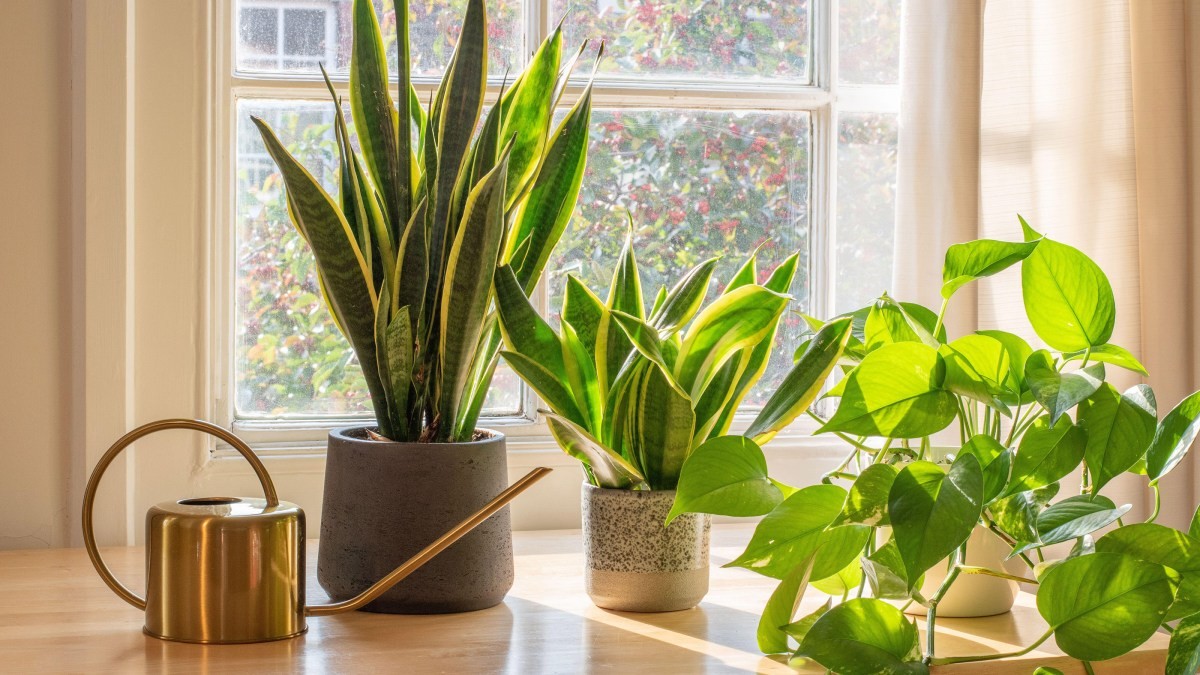
- Snake Plant: Low maintenance, consistent benefits.
- Spider Plant: Easy to propagate, good airflow effects.
- Rubber Plant: Durable, visually appealing.
- ZZ Plant: Tolerant of low light, slow-release transpiration.
Do Plants Really Purify Air?
Yes, but only locally. They act as micro-purifiers, not building-wide filters. They also don’t reduce humidity in the traditional sense; instead, they regulate it by adjusting transpiration based on surrounding conditions.
Indoor plants are not a replacement for proper ventilation, but they can subtly improve air quality and comfort in localized areas. By understanding how they interact with microclimates, you can optimize their placement for maximum benefit.