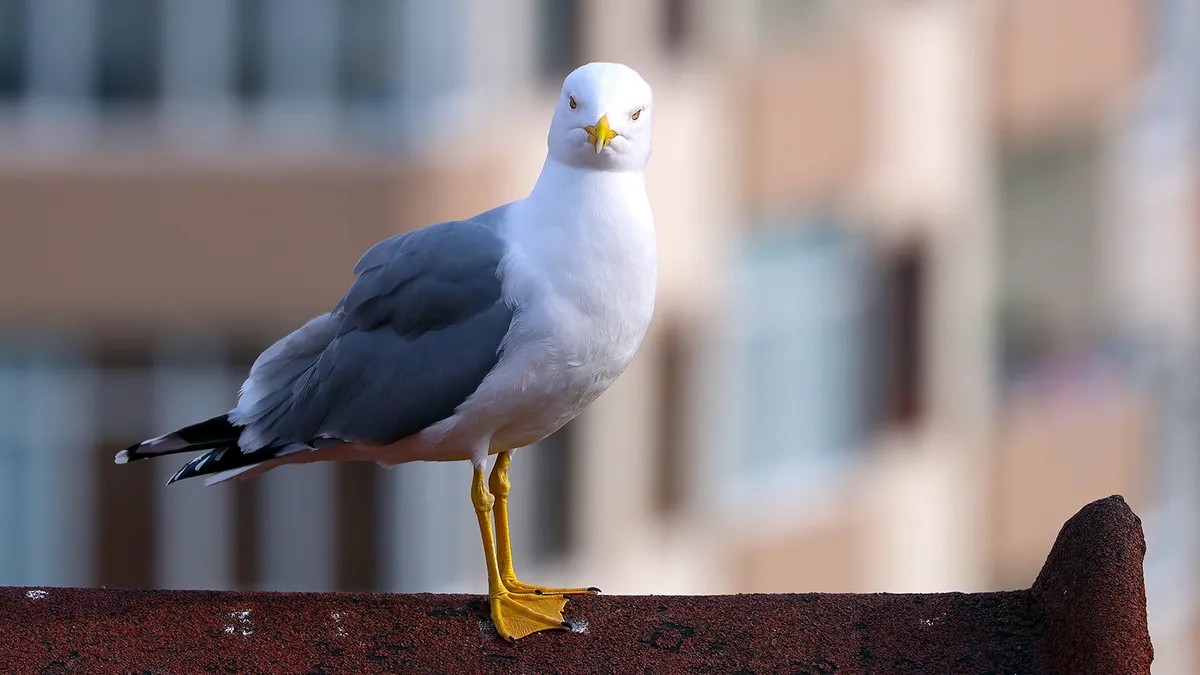
Ever wondered what a gathering of seagulls is called? The answer, like many quirks of the English language, is more interesting than you might think. While there isn’t one single, unique term like some other birds have, seagulls usually gather in flocks. But the story behind why we name animal groups so oddly – and what other terms exist – reveals a fascinating piece of linguistic history.
The Basics: Flocks, Colonies, and Why It Matters
The most common way to refer to a group of seagulls is simply a flock. This term applies to many bird species, including ducks and sparrows. However, when seagulls congregate in larger numbers, particularly during breeding season, they’re also known as a colony.
This distinction matters because it reflects how these birds behave. Colonies form dense nesting communities, providing safety in numbers against predators and allowing for collective chick-rearing. This isn’t just about vocabulary: it shows how human observation shaped our language. We named groups based on observed behaviors – a survival strategy for both the birds and those naming them.
A History of Whimsical Names
The English language is full of peculiar collective nouns. Centuries ago, people coined creative terms for animal gatherings:
- A parliament of owls
- A murder of crows
- A gaggle of geese
These weren’t chosen at random. The names often reflected the animal’s behavior or habitat – or simply a bit of human imagination. A group of starlings moving in unison, for example, is called a murmuration, a poetic nod to their swirling flight patterns.
Beyond Seagulls: Other Colorful Terms
Birds, in particular, have some of the most vivid collective nouns:
- A charm of goldfinches
- A raft of ducks (when floating on water)
- A siege of herons
- A convocation of eagles
- A pandemonium of parrots
These aren’t just random words; they demonstrate how language evolved to capture the essence of the natural world.
Seagulls in Context: Part of a Larger Group
Seagulls, scientifically known as gulls, are sea fowl. This group includes pelicans, cormorants, and albatrosses. Like many birds, they commonly gather in flocks near food sources or during migration. While they lack a uniquely poetic collective noun (no “squabble of seagulls” yet!), they fit comfortably alongside pigeons, terns, and sandpipers in terms of group behavior.
Why Do We Care?
The seemingly trivial question of what a group of seagulls is called leads to a larger point: language isn’t just about communication; it’s a reflection of our relationship with the natural world. These collective nouns remind us that humans have always observed, interpreted, and categorized the creatures around them.
The playful, sometimes dramatic, names we give to animal groups speak to our long history of engaging with nature—and our tendency to find poetry even in the mundane.
The next time you see a flock of seagulls circling overhead, remember that their name is just one small part of a much larger story about how humans and animals have coexisted, observed, and named the world around them.