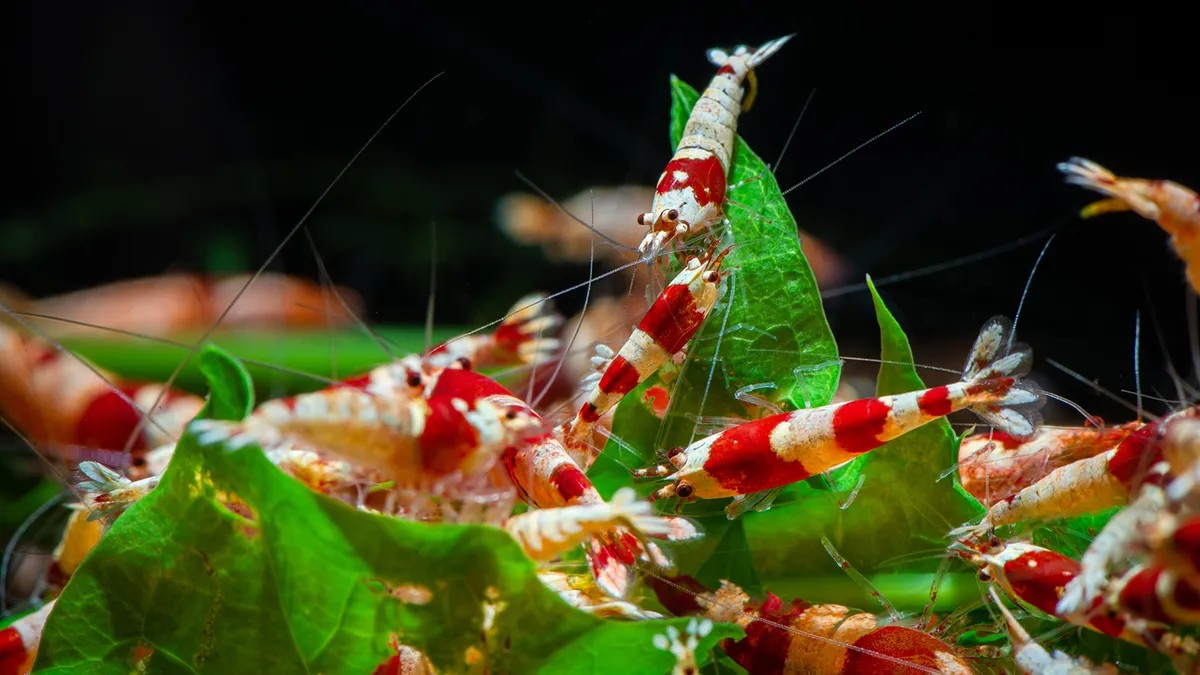
The question of what a group of shrimp is called pops up frequently in search engines, often alongside comparisons to fish, crabs, or other well-defined animal gatherings. The answer? There isn’t a single official term. Biology doesn’t enforce strict collective nouns for every creature, and shrimp are no exception.
Why the Confusion? Shrimp Biology and Language
Shrimp occupy a unique spot in the animal world. They range from tiny freshwater varieties to large open-ocean species, and their social behavior varies greatly. This diversity makes a single, universally accepted collective noun difficult to pin down. The term often used is swarm, but school is also acceptable, borrowed from the language used for fish.
Swarm vs. School: Which Fits Best?
“Swarm” feels most accurate because it captures shrimp’s temporary aggregations during feeding or migration. Unlike highly structured colonies (like ant colonies), most shrimp species aren’t permanently social outside of breeding or when abundant food draws them together. They gather opportunistically, especially at night when rising to the surface to feed – a behavior that makes them appear as loose swarms, reducing the risk of predation.
Shrimp, Prawns, and the Global Seafood Trade
The ambiguity extends to the shrimp themselves. In some regions, the same animals are called prawns, with the distinction often hinging on subtle anatomical differences. The term “jumbo shrimp” adds another layer of irony, sounding contradictory yet simply referring to larger edible specimens.
More importantly, shrimp and prawns are a massive part of the global seafood industry. According to the World Bank and the Food and Agriculture Organization (FAO), they rank among the most traded seafood products worldwide. Fisheries track their numbers not just for commerce but because shrimp play a crucial role in marine ecosystems as both prey and predator.
Collective Nouns Evolve, Not Dictated
The lack of a rigid collective noun isn’t an oversight; it reflects how language adapts to reality. Terms emerge from common usage, not strict rules. Few authorities regulate these names, and cultural or practical forces shape the terms that stick. The answer is determined by what sounds right to writers and speakers.
Ultimately, the question of how to describe a group of shrimp highlights the fluidity of language itself. The answer isn’t fixed; it simply describes how loosely these creatures organize.