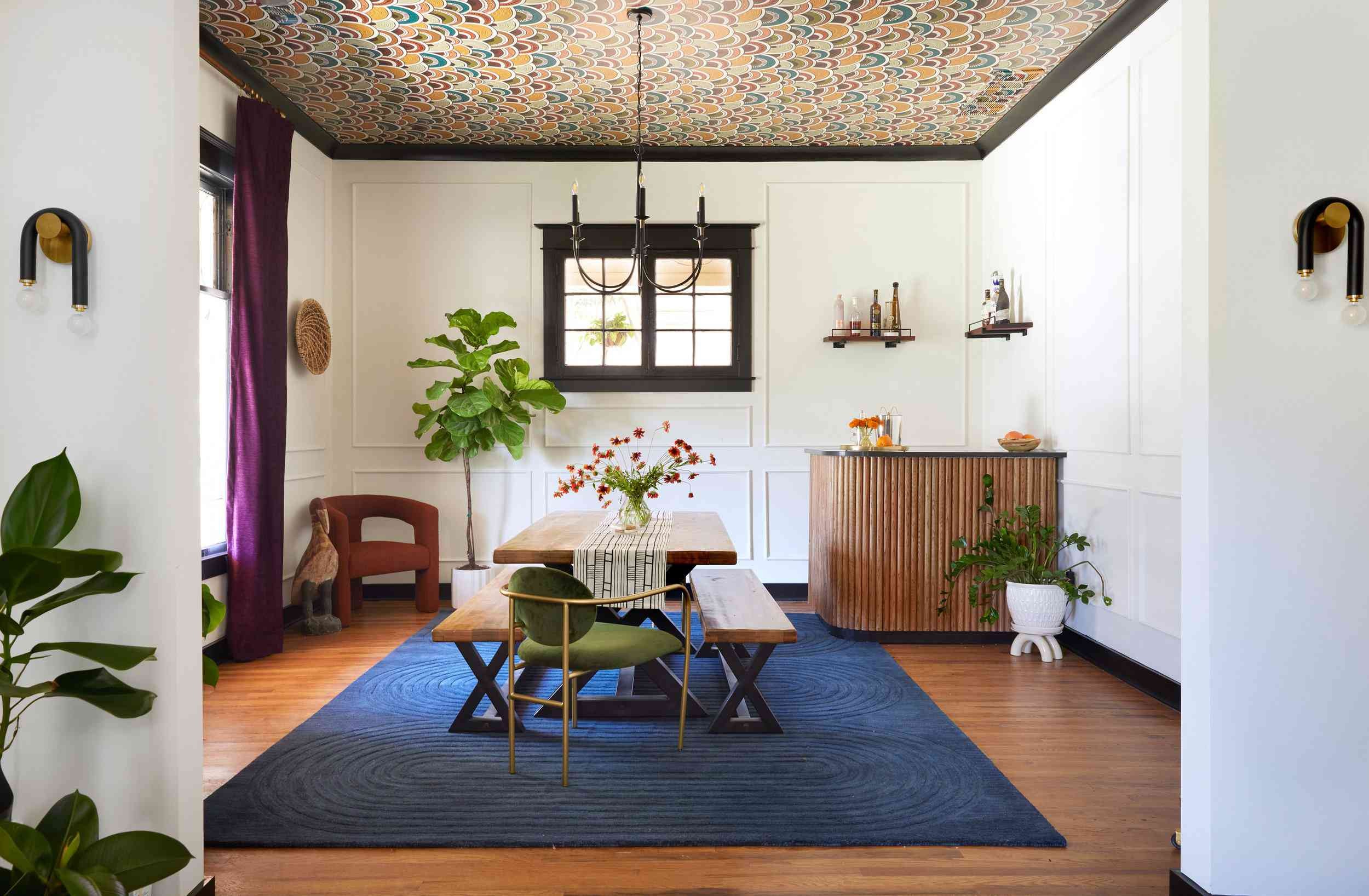
Black designers are at the forefront of a movement that celebrates identity, heritage, and the power of intentional space-making. As Black History Month provides an opportunity to highlight their contributions, several leading designers shared how their culture isn’t just reflected in their work—it enhances it. The impact is clear: design, for these creators, is about more than aesthetics; it’s about affirmation, healing, and belonging.
Function, Safety, and Storytelling
DuVäl Reynolds emphasizes that design should always be rooted in function and purpose, shaped by the traditions of communal gatherings and shared experiences. His approach, like many others, prioritizes creating warmth and connection within a space. Ashley Ross takes this further, arguing that design must first ensure emotional safety for Black clients in a society that often marginalizes them. Ross’s work isn’t just about interiors; it’s about rebuilding self-worth and providing sanctuary.
Weaving History into Modern Spaces
David Quarles, IV, whose heritage spans Dominican, Creole, Irish, Liberian, and Indigenous American roots, embodies this layered approach. He seamlessly integrates cultural elements – colors, textures, historical references – into clean, midcentury modern foundations. Lauren Ashley echoes this sentiment, stating that representation is a core principle of her firm. Her designs aren’t just beautiful; they are intentionally authentic, ensuring clients see themselves reflected in their living spaces.
Art as Cultural Currency
The role of art is central to this movement. These designers don’t just decorate; they curate cultural narratives. Ashley Ross stresses that art is essential, and for too long, its value was only recognized posthumously for many Black artists. She champions contemporary voices like Cristina Martinez, whose work powerfully captures social and cultural movements. Reginald Cunningham and Gee Horton’s photography and drawings, respectively, further illustrate this commitment to honoring living Black artistry.
Personal and Collective Inspiration
Music, synesthesia, and travel also inform the creative process. Quarles utilizes music to translate moods into color palettes—for example, Diana Ross’s “It’s My House” evokes peach, pink, yellow, and green. This sensory approach extends to incorporating artifacts from his travels, such as Dominican sincara dolls, into his designs.
The designers also look to trailblazers like Joy Moyler, Sheila Bridges, and Corey Damen Jenkins, who have challenged industry norms and paved the way for greater representation.
The power of Black design lies in its ability to create spaces that not only look beautiful but feel like home—a place where identity is celebrated, history is honored, and belonging is undeniable.
These designers aren’t just reshaping interiors; they are building a legacy of intentional design that centers the Black experience.