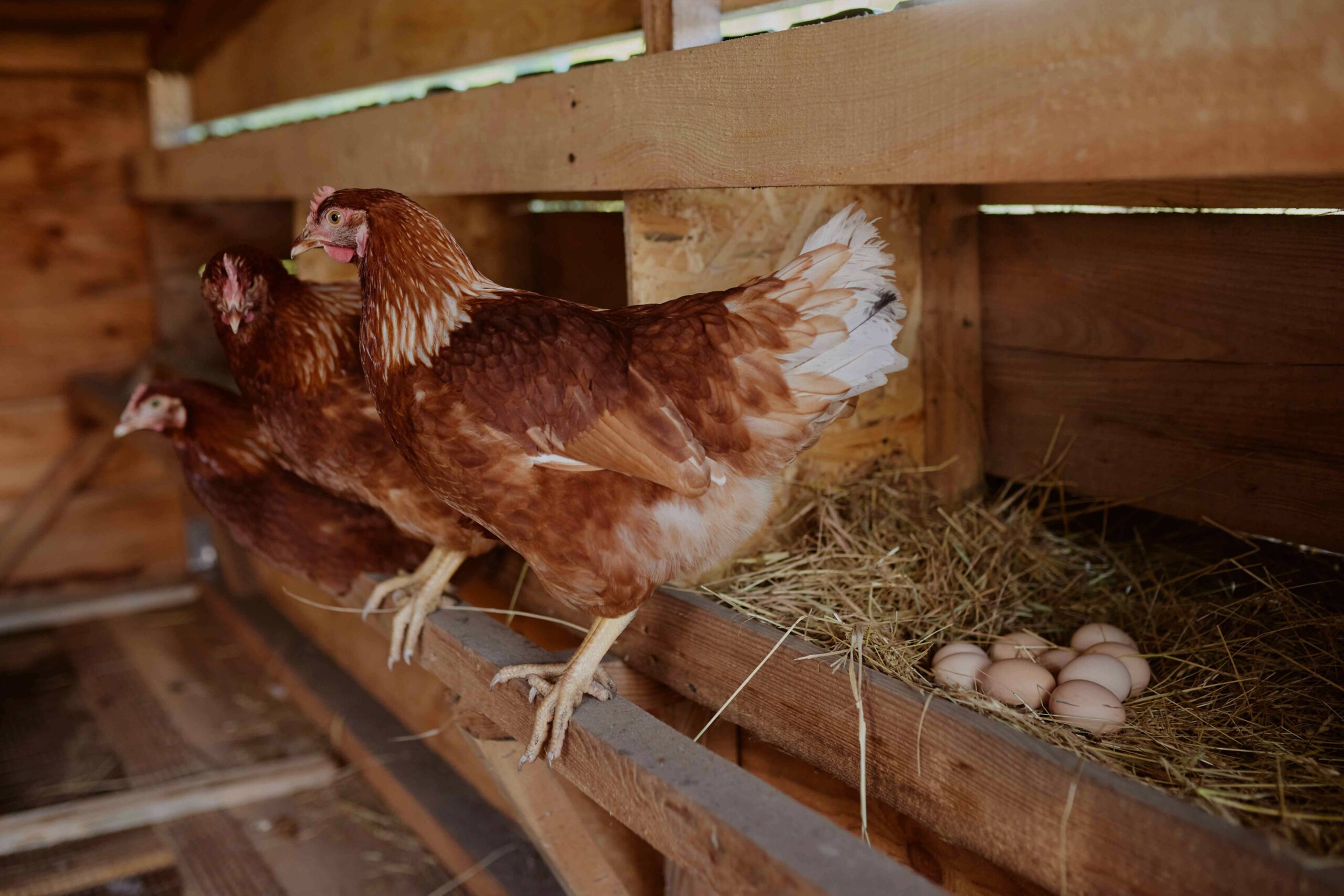
For many, the idea of fresh eggs straight from the backyard sounds idyllic. But with recent egg price spikes, a more pressing question has emerged: does raising chickens actually save you money? The answer is complex. While the dream of self-sufficiency is appealing, a realistic look at the costs reveals it’s not an instant win. Roughly 13% of Americans now keep backyard chickens, averaging five birds per household, driven by both price concerns and a desire for fresher, more ethically sourced eggs. But is this trend financially smart?
The Real Costs: Upfront Investment and Time
The biggest barrier to saving money with chickens is the initial expense. Purchasing chicks, building or buying a coop, and acquiring feed, waterers, and other supplies can easily run into the hundreds or even thousands of dollars. It’s not a quick return on investment. According to industry experts, it can take up to two years to break even, assuming you’re replacing store-bought eggs priced around $4 per dozen.
Lisa Steele, founder of Fresh Eggs Daily, points out that while it may not be cheaper initially, raising chickens can become more economical if egg prices rise again. However, this relies on fluctuating market conditions, not guaranteed savings. Elam Miller, owner of The Hen House Collection, emphasizes that raising chickens is as much about craftsmanship, purpose, and satisfaction as it is about pure profit.
Coop Construction: A Breakdown of Expenses
The cost of a chicken coop depends heavily on size, materials, and whether you build it yourself or buy a pre-fabricated model. Here’s a rough guide:
- Small Coop (A-Frame): Around $300
- Larger Walk-In Coop: $650 – $1,000
- Lumber & Plywood: $2 – $3 per foot for softwood, $10 – $15 per sheet of plywood
- Corrugated Metal/Plastic: Metal from $15 – $20 per sheet, plastic $25 – $30
- Labor (Handyman): $50 – $150 per hour for assembly; a custom build by a carpenter can cost $1,000 or more.
Beyond the structure, coops must include:
- 2-3 square feet of floor space per bird
- 1 nesting box for every 2-3 hens
- At least 8 inches of roosting bar per bird
The Hidden Factor: Time and Maintenance
Raising chickens isn’t a passive investment. It requires daily feeding, watering, cleaning, and predator protection. The time commitment is substantial. Experts advise ensuring coops are predator-proof (locks, wire coverings) and properly ventilated (windows with welded wire).
Avian Flu and Biosecurity Risks
Recent outbreaks of H5 avian flu have affected over 168 million poultry in the U.S., according to the CDC. This highlights a critical risk: disease can decimate flocks, wiping out your investment. Biosecurity measures are essential but add another layer of complexity.
Smart Savings Strategies
If you’re determined to save money, here are practical tips:
- Kitchen Scraps: Supplement feed with kitchen and garden waste.
- Breed Selection: Choose productive breeds like Australorps, Leghorns, or Rhode Island Reds instead of expensive designer varieties.
- Used Coops: Search online marketplaces (Facebook, Craigslist) for discounted coops.
- Repurpose Structures: Convert existing sheds or playhouses into coops.
The Bottom Line
Raising chickens isn’t a guaranteed path to cheaper eggs. It requires significant upfront investment, ongoing maintenance, and carries the risk of disease. However, if you value fresh, high-quality eggs, enjoy the process, and are prepared for the commitment, it can be a rewarding—though not necessarily cheaper—lifestyle choice.