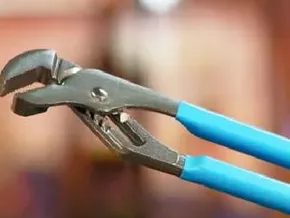
Channel locking pliers. The name may be brand, but the tools are generic. Sturdy gripping tool made of high carbon steel. You grab an object. Slide the jaws. Lock them in place. This adjusts the tool to fit everything from small nuts to tough pipes. The design has an undercut groove and tongue. This feature digs material. Prevents the pliers from slipping when applying force.
Most handles have a protective grip. This improves comfort during long tasks. Some versions offer insulation. This protects you from electrical currents. But that’s not all.
These tools are very versatile. These act as pliers. It works like a wrench. Acts as a clamp. You need them in the house. You need them for emergencies. Used by firefighters. If the door gets stuck, it may be possible to force entry into the building or vehicle. They handle plumbing repairs. They tackle electrical work. They repair outdoor furniture. The length of the tool provides leverage. You don’t need to spend too much energy. Easily tighten wires, bolts, cables, etc.
Correct use
Diversity comes with risk. You need to know what not to do. Do not use notched pliers to cut the thread. The head will suffer damage. Vibration during operation can cause the lock to open unexpectedly. This releases the object unexpectedly.
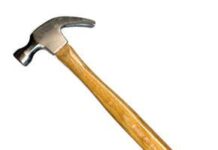
Never use it as a hammer. The metal may crack. It may break completely. The structural integrity is not built for impact.
Heat is also an enemy. Do not hold the pliers while using a welding torch. Metals conduct heat. Comfort handles are not designed to withstand extreme temperatures. The insulation of electric models does not protect against heat. It only blocks electricity. Misunderstanding can cause burns.
Why leverage matters
Designed to prioritize holding power over cutting precision. The width can be changed using a sliding jaw mechanism. This is best for irregular objects. You are not limited to standard sizes. Tools can be adjusted on the fly.
This adaptability makes it an important part of your toolbox. Fills the gap between standard pliers and pipe wrenches. You get the grip of one with the adjustability of the other.
Safety above all
Always check the locking mechanism before use. Ensure it is secure. Check the jaws for wear. Dented jaws will slip. This wastes energy and risks injury.
Store it properly. Keep it dry to prevent rusting. High carbon steel corrodes. When it rusts, the holding power decreases. The sliding mechanism is also stiffened.
Channel locking pliers are a workhorse. It is not a scalpel. It’s not a hammer. Respect its design. Used for grasping or squeezing. Avoid cutting, hammer blows and extreme heat. Do this, and it will serve you well.
The next time you encounter a stubborn bolt, think leverage. Think grip. You already have the right tools. Use it correctly.