


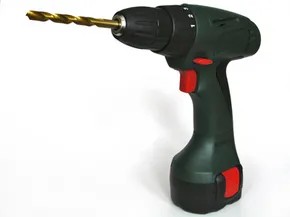
A power drill is arguably the most versatile tool in any homeowner’s arsenal. You need it for hanging heavy mirrors, assembling flat-pack furniture, or building custom shelving. But knowing how to operate it safely and effectively is the difference between a clean job and a ruined floor.
What Is a Power Drill?
At its core, a power drill is an electric motor that spins a replaceable bit to bore holes. It works on wood, plastic, and metal. You can also swap the bit for a screwdriver tip to drive screws.
The anatomy is straightforward. You have the handle, which houses the power source. There is an on/off trigger, usually paired with a safety latch to prevent accidental starts. A reversing switch changes the rotation direction. A torque adjustment dial controls how much force is applied, which helps when you are driving screws into soft wood without stripping the head. Finally, the chuck holds the bit in place.
Power sources vary. Corded models plug into a standard 110-volt outlet. Cordless versions rely on rechargeable batteries tucked inside the handle. The latter offers more freedom of movement, while the former provides consistent power for heavy-duty tasks.
How to Use a Power Drill Safely
Safety starts before you even touch the trigger. Ensure the switch is off. If it is corded, unplug it. If it is cordless, remove the battery. This simple step prevents the tool from starting unexpectedly while you are loading accessories.
Next, loosen the chuck. Insert your chosen drill bit or screwdriver tip. Tighten the chuck firmly. Some chucks have a key; others are keyless and tighten by hand. Make sure it is secure. A loose bit can fly out at high speed.
Set the torque adjuster if you are driving screws. This mechanism allows the drill to slip or stop when it reaches a certain resistance. It protects the screw head and the material you are working on. If you are drilling holes, you can often set the torque to its maximum or engage a clutch setting that prevents over-tightening.
Reattach the power source. Plug in the cord or snap the battery into place. Position the tip of the drill bit or screwdriver against your marked spot. Press the safety latch, then pull the trigger. Apply steady forward pressure as the chuck rotates. Do not force it. Let the tool do the work.
Maintaining Your Power Drill
Power drills are rugged, but they are not indestructible. They require minimal maintenance, but misuse can kill them quickly. Using the wrong bit is a common culprit. For example, using a masonry bit on metal can lug down the motor, causing overheating and potential damage.
Keep the chuck clean. Dust and debris can interfere with the grip on the bit. Wipe it down with a dry cloth. If your drill is cordless, store the battery according to the manufacturer’s instructions. Extreme temperatures can degrade battery life over time.
Related Tools for Your Workshop
A drill is not always the right tool for the job. For smaller, more delicate holes, a hand drill might offer better control. When you need to cut shapes rather than make holes, look into small saws like a jigsaw or handsaw.
For turning fasteners without power, a hand screwdriver is essential. It gives you tactile feedback that a power tool cannot match. Understanding the difference between these tools helps you choose the right one for the task.
Knowing how to use a power drill safely is not just about protecting yourself. It is about ensuring the job gets done right the first time.
If you are just starting out, start with basic tasks. Hang a shelf. Assemble a table. Build confidence before tackling complex electrical or structural work. The learning curve is short, but the margin for error is small.
When you are ready to expand your toolkit, consider what else you might need. A reliable set of screwdrivers with different tips, like Phillips or Torx, is a good next step. Understanding fasteners, from nails to bolts, will also help you choose the right hardware for your projects.
There is always more to learn. The shop floor is messy. The instructions are sometimes vague. But every hole drilled and every screw turned is a step toward independence.


