



There is nothing more upsetting than going on a weekend trip and finding an entire bottle of bug spray in the back of the cupboard that turns out to be stale. You spent a lot of money. You wanted protection from ticks and mosquitoes. Instead, there was only a faint smell.
This is very frustrating. But the problem is that most repellants don’t have an expiration date like milk. They also stop working.
The shelf life of a bug spray is determined almost entirely by the active ingredients it contains. Some things last forever. Others deteriorate within a few years. And is there also natural options? It will disappear soon.
The science behind Insect Repellent Shelf Life
Let’s talk about heavy hitters. The longevity of a repellent has more to do with its chemical stability than just the plastic bottle it’s in.
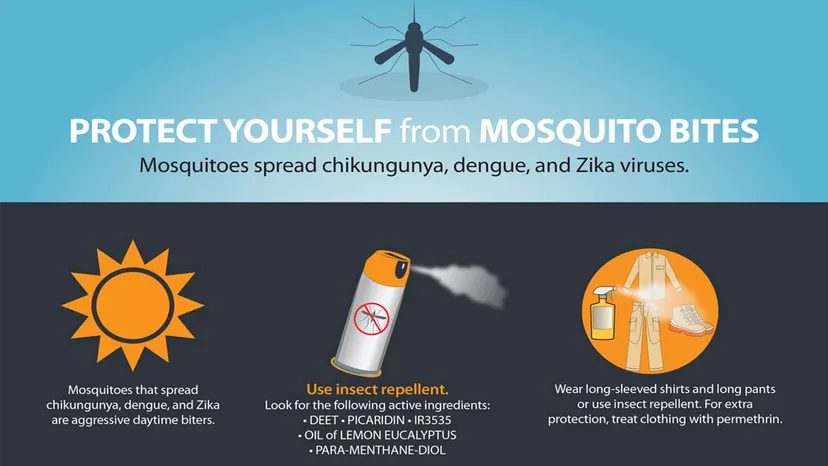
DEET is the gold standard for many hikers and backcountry travelers. Technically, DEET has an unlimited shelf life. It doesn’t break down. The percentage of DEET in the bottle does not determine whether DEET is effective or not. it determines how long it works. A concentration of 20% might keep you safe for up to 5 hours. A 7% spray probably only lasts 2-3 hours.
Picaridin is a popular synthetic alternative. It also has a nearly endless shelf life is almost unlimited. It is very stable. It’s effective. It doesn’t melt your gear.
IR3535 is also a synthetic option, but is less stable. It takes about 2 years before it starts to break down.
If you have a 5-year-old bottle of DEET or picaridin spray, it’s probably still working fine as long as the bottle is sealed and stored properly. The expiration date printed on the label is more of a manufacturer’s warranty than a scientific expiration date.
Obsolete natural bug sprays
This is the hard part. Natural bug sprays are based on essential oils. These oils are volatile. They evaporate. They oxidize.
If you use an insect repellent that contains rosemary, lemongrass, citronella, thyme, or peppermint, you need to be careful about the timing.
- Lemongrass/lemongrass: Shelf life is about 2-3 years.
- Thyme: Thyme is 3-4 years.
Peppermint: Lasts 4-5 years.
However, the final product is a mixture. The concentration of these oils is important. With many natural sprays, you will notice a noticeable decrease in potency after about two years. The oil deteriorates. The smell disappears.
Do you want to try it? Just spray a little into the air. Smell it. If the smell is weak or has disappeared, the repellent may also be weak. There is no harm in using it. But It just won’t keep the bugs off you.
What does the brand say?
Manufacturers are careful. They want to avoid liability if their product fails in the field.
Most major brands such as Off! and Ranger Ready Repellant recommend disposing of repellents that are more than three years old. This is a safe buffer zone.
Sawyer is an outlier. They claim that the product has a shelf life of 10 years if stored properly. This is a bold promise. However, it is chemically consistent with the active ingredients.
Storage is everything
You can have the most stable formula in the world, but if it’s not stored properly, it’s a waste of money.
Heat is your enemy. Sunlight is your enemy. Moisture is your enemy.
Store bug sprays in a cool, dry place. The bathroom cabinet that fills with steam every morning when you shower is the worst place for insect repellent. A closet in the bedroom with air conditioning is much better. Close the lid tightly. Prevents evaporation.
Why is there no federal expiration date?
You may find that some bug sprays have no expiration date at all. This is not an omission.
With the exception of baby food and infant formula, no federal law requires an expiration date on cosmetics and lotions. Most repellents are registered with the Environmental Protection Agency (EPA).
This means that the manufacturer has provided technical information about safety and effectiveness. EPA’s review process ensures that products perform as claimed at the time of registration. However, doesn’t mandate a date for when it stops working. The burden is on of the consumer.
How to know if the bug spray has gone bad
You don’t need a lab test are required. You have to see and smell it.
Check the bottle for leaks. Is the seal broken? Does the liquid separate so much that shaking doesn’t solve the problem? Is the color unusually dark or cloudy?
If the nozzle is constantly blocked or the mist comes out in streams instead of a fine mist, the composition may have deteriorated.
However, the smell test is the most practical. If the DEET spray doesn’t have an odor, it’s probably still fine. DEET is odorless. it’s done when you can’t smell the citronella spray at all. The active substance has evaporated or oxidized.
The Bottom Line
Don’t throw away your three-year-old bottle of DEET spray just because the calendar says so. If stored properly, it can still protect you.
However, remember to throw away all natural sprays that have been used for more than two years. Essential oils may have too far gone to matter. Never use a spray that smells bad, looks runny, or feels watery.
You pay for protection. Make sure you get it.
Next time, we’ll look at how to safely store these items in your kit and what to.

The truth about expiration dates
If your spray bottle has an expiration date, it’s probably optional. This date is usually related to the stability of other ingredients mixed with the effective repellent. Essential oils break down quickly and typically lose their potency after two years. Benzaldehyde is a common ingredient in bee repellants, but it has a short shelf life of around 18 months. Without these special additives, the core chemical structure would remain permanently stable.
What happens when you use old pesticides?
The use of outdated pesticides rarely causes dangerous reactions. The biggest risk is a decrease in power. You are more likely to be bitten by a mosquito or tick than from the chemical itself. Sprays may not be as effective at controlling pests as new cans.
However, mechanical problems can occur. If the bottle has not been used for a long time, the pump mechanism may become sticky. The inner tube can be blocked by a semi-coagulated residue. Rinse the nozzle thoroughly before use. Cream and liniment textures require different care. If it is in a clear bottle, it may dry out or separate if exposed to direct sunlight. Store these products in a cool, dark place to preserve their texture and effectiveness.
Proper disposal of hazardous materials
Plastic and metal containers are usually recyclable. The liquid inside is not. Most cities classify leftover pesticides as household hazardous waste. Do not throw fully or partially filled cans into regular trash or recycling bins. This can contaminate the waste stream and pose a hazard to sanitation workers.
Check with your local waste management office for drop-off locations. In many areas, hazardous waste collection days are held. It is cheaper and environmentally safer to use old stock before buying new products. It ensures you are not creating unnecessary chemical waste.
Testing effectiveness and storage
How do I know if the insecticide is still effective? When it comes to natural repellants, smell is a good indicator. Spray a small amount and smell it. A reduction or change in odor indicates that the active compounds has been degraded. Chemical repellents do not have this sensory cue. rely on the recommended disposal timeframe for these or replace them if they are significantly aged.
Temperature plays an important role in terms of shelf life. Extreme heat can accelerate the breakdown of the active ingredients. Cold temperatures can change the viscosity of the spray, making it difficult to spray. Store all products in a cool, dry place. A basement or interior closet is ideal. Avoid leaving them in a hot car or garage in the summer.


