Renovating a home is often viewed as a one-time triumph, but for many homeowners, the reality is a continuous cycle of maintenance. While some structural elements of an Edwardian cottage can remain pristine for decades, specific finishes tend to degrade rapidly, undermining the overall aesthetic. This discrepancy often stems from a mismatch between material choice and actual usage patterns.
As I prepare for a new extension and remodel, I have identified six areas in my home that deteriorate faster than expected. By analyzing these failures with expert input, we can derive practical strategies for a seasonal facelift that prioritizes longevity over fleeting trends.
1. Exterior Paint: The Battle Against Weathering
The front porch and bay windows of my home frame the entrance, yet they suffer from rapid paint degradation. Originally painted a bright cobalt blue, the exterior woodwork was repainted to a more neutral tone to better suit the street’s character. However, within a year, the paint began to crack, flake, and accumulate grime. Subsequent repaints have offered only temporary relief.
The core issue lies in the exposure of lower sections to weather elements. Jack Reading, marketing manager at Emperor Paint, notes that areas like window sills and plinths endure the most wear.
“Using a higher quality paint here is a small investment that lasts, helping those areas stay clean and beautiful for years rather than needing to be redone every few years.”
The Fix: Instead of frequent repainting, invest in premium, weather-resistant exterior paint. Focus on high-wear zones like sills and lower walls, which can be refreshed in under an hour but significantly improve curb appeal.
2. Interior Trim: Satin vs. Oil-Based Durability
Interior woodwork, including architraves, skirting boards, and window sills, shows wear surprisingly quickly in a household with children and pets. The current finish—a water-based satin paint—was chosen to avoid a high-gloss look. However, it lacks the robustness needed to withstand kicks, bumps, and moisture from wet pets.
The Lesson: Aesthetic preferences should not override functional durability in high-traffic zones. For this refresh, I am switching to an oil-based paint, which offers a harder, more resilient surface. I am also considering a subtle color shift away from stark white to help mask minor scuffs and add visual interest.
3. Staircase Carpeting: Balancing Comfort and Traffic
Carpeting in my home is limited to the living room and the staircase landing. While the living room carpet remains presentable, the landing carpet has become threadbare due to heavy foot traffic. The mistake was selecting a soft, appearance-focused carpet for a high-traffic area, whereas the dense loop pile carpet on the main staircase has aged well.
Shaf Member, buying director at QS Supplies, emphasizes the importance of material selection based on usage:
“For extremely heavily trafficked areas, dense pile loop carpets will hide wear better than soft, light-colored options. It’s not about eliminating wear entirely – it’s about selecting durable products that won’t call attention to wear.”
The Fix: Replace the landing carpet with a dense, loop-pile variety in a darker or patterned shade. This balances visual appeal with the functional need to conceal wear.
4. Timber Worktops: Misapplication of Material
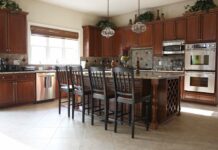
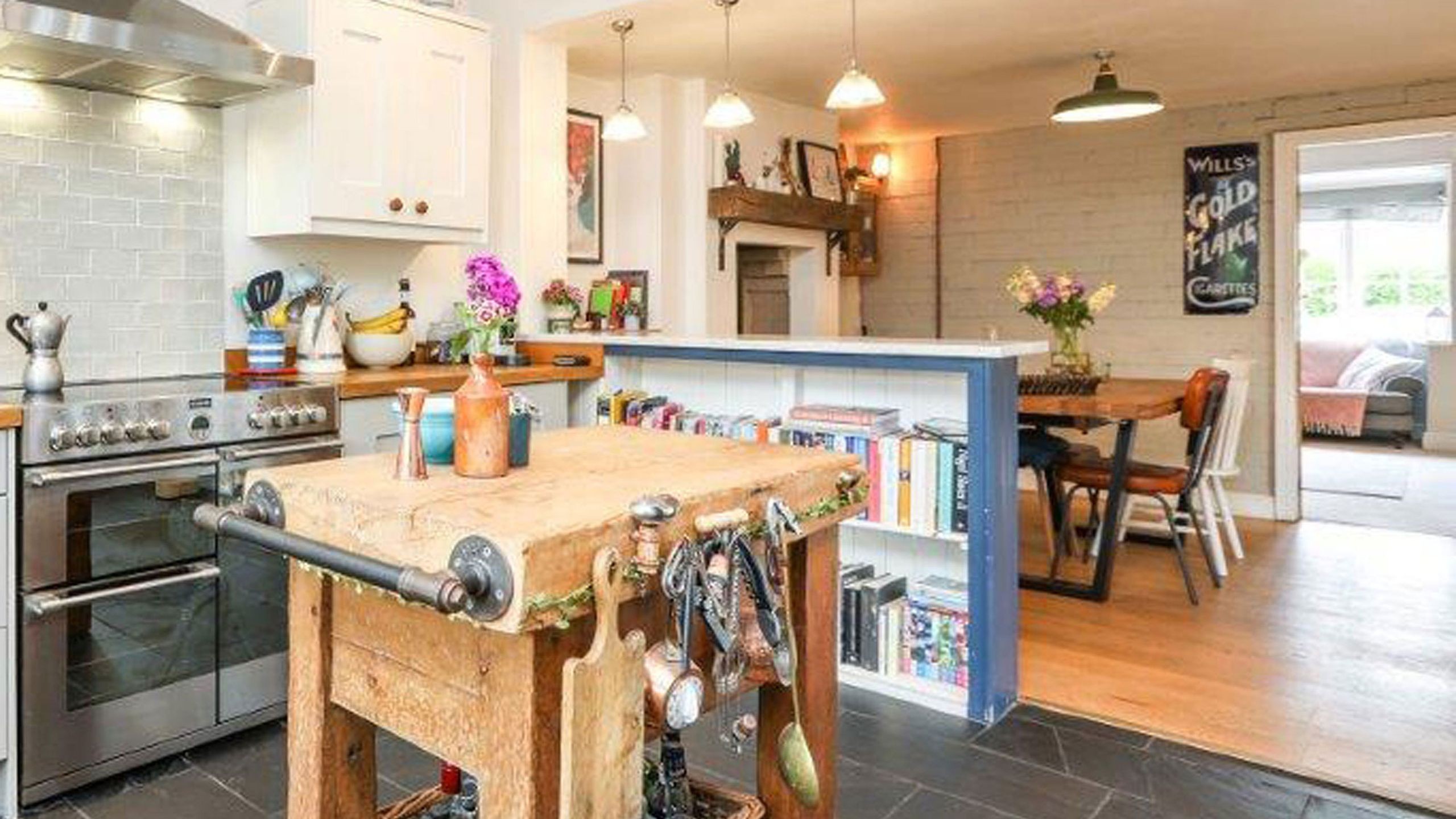
One of the most significant regrets in our kitchen renovation was installing timber worktops throughout the entire space, including areas around the sink and hob. While wood adds warmth, it requires bi-annual oiling and is susceptible to water stains, ring marks, and scratches. The result is a surface that looks scruffy rather than characterful.
Matthew O’Grady, director at Thomas Matthew Kitchens & Furniture, explains that timber is often misused:
“You actually should never use it around sinks because the constant damp edge where you leave plates to dry off or where you hang damp towels will become your biggest issue. Where timber works best… is in the areas of the kitchen that are the furthest from heat and moisture.”
The Fix: In the upcoming remodel, timber worktops will be replaced with hardwearing quartz composites in wet zones. If timber is retained, it will be limited to dry, low-moisture areas where it can age gracefully without sustaining damage.
5. White Grout: The Hidden Culprit of Tired Tiles
White grout in the kitchen and bathrooms is a persistent maintenance challenge. It highlights dirt, hairline cracks, and moisture buildup, requiring weekly bleach sprays to maintain a clean appearance. Even then, the grout appears crumbly and aged.
David Turner, head of product at Leader Online, suggests that aggressive cleaning may be part of the problem:
“Clean grout gently, as aggressive cleaning can erode it. It’s also helpful to regrout small sections that are beyond help to keep your floor looking fresh.”
The Fix: Future renovations will avoid white grout. Instead, I will opt for dark-colored grout or large-format tiles to minimize grout lines. In shower areas, shower panels may replace tiled surrounds entirely to eliminate grout maintenance.
6. Kitchen Walls: The Cost of “Quick White”
The kitchen walls were painted a cheap, bright white in a rush to complete the renovation. This choice ignored the interplay with cabinet colors, flooring, and tiles, resulting in a clinical feel. Over time, the walls have accumulated grease, sauce stains, and general grime, which the paint finish does not resist well.
Sophie Chapman, associate and interior designer at The Vawdrey House, critiques the lack of depth in such design choices:
“Uniform, all-white rooms feel one-dimensional, lacking the depth and warmth that helps a space feel lived-in… Standardised fittings… can feel disconnected if they haven’t been carefully integrated into the wider space.”
The Fix: The next kitchen refresh will feature a wall color chosen for its harmony with other elements and its highly scrubbable finish. This ensures the space remains both aesthetically cohesive and practically maintainable.
Conclusion: Designing for Longevity
The rapid deterioration of these six areas highlights a common pitfall in home renovation: prioritizing immediate aesthetics over long-term performance. As Sophie Chapman advises, longevity stems from cohesion and quality materials.
“The elements that tend to stand the test of time are those grounded in good proportion, material quality and craftsmanship. Natural materials such as timber, stone and lime-based finishes age particularly well… Ultimately, longevity comes down to cohesion.”
By selecting durable materials, understanding their limitations, and ensuring design cohesion, homeowners can create spaces that remain beautiful and functional for years, rather than requiring constant repair.