Renovating an older home is often viewed as a battle between modern convenience and historic preservation. While it is tempting to replace outdated elements with sleek, contemporary alternatives, many original features are not just relics—they are assets that significantly enhance a property’s value, character, and longevity.
Experts in historic preservation argue that removing these elements can strip a home of its unique identity and financial worth. Instead of demolition, the focus should be on restoration and integration. Here are four original features that renovation professionals advise keeping, along with strategies to make them work in a modern context.
1. Original Windows: Craftsmanship Over Convenience
It is a common misconception that original windows are energy inefficiencies waiting to happen. In reality, properly restored historic windows are often superior to modern replacements in terms of material quality and aesthetic value.
Why it matters:
Modern vinyl windows are mass-produced and lack the dense, old-growth wood found in historic sashes. Furthermore, the “wavy” glass in older panes is not a defect; it is a result of the hand-blown manufacturing process, adding a unique visual texture that light interacts with beautifully.
- The Expert View: Christina Pitcher, a historic home renovator in Charleston, SC, emphasizes that modern vinyl “doesn’t hold a candle” to original craftsmanship. While restoring dozens of windows from a 1940s home is labor-intensive, the result is a durable, authentic feature.
- The Solution: Rather than replacing drafty windows, invest in professional restoration and add storm windows. This combination preserves the original woodwork while drastically improving energy efficiency.
“Older paneled windows have a charm that modern windows can’t match,” says designer Barrett Oswald. “They bring an originality to a home’s style.”
2. Fireplace Mantels: The Architectural Anchor
A fireplace is rarely just a heating source; it is the focal point of a room’s design. In older homes, fireplaces are often constructed from unique materials like local stone or custom brickwork, making them one-of-a-kind architectural elements.
Why it matters:
Removing or covering a fireplace disrupts the home’s original flow and removes a key textural element. Stone and masonry fireplaces add warmth and history that cannot be replicated by modern inserts or drywall covers.
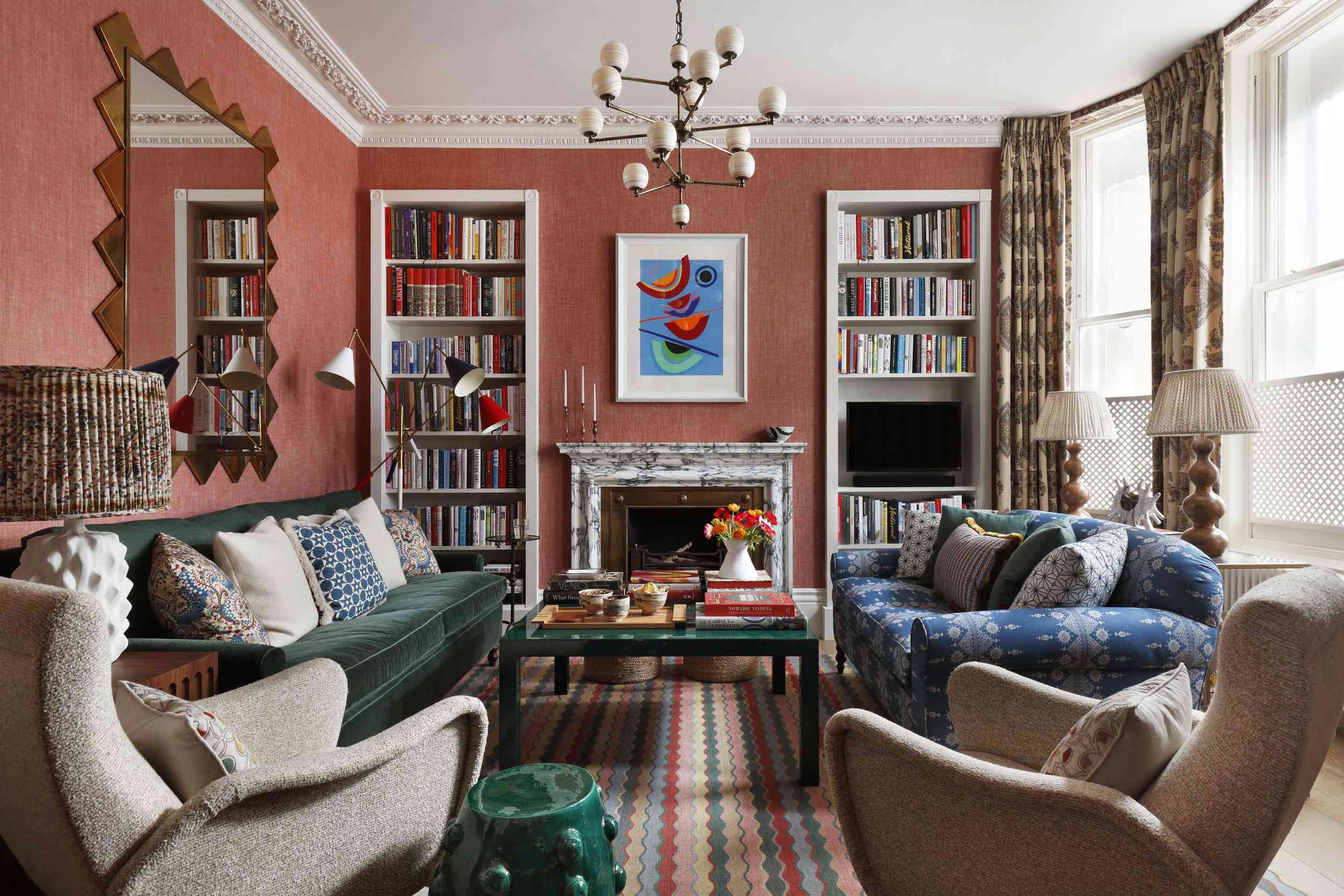
- The Strategy: If a fireplace feels out of place in your current layout, do not demolish it. Instead, design around it. Oswald suggests incorporating the fireplace into a cleaner aesthetic by adjusting furniture placement and decor to complement its texture.
- Key Insight: A stone fireplace is often the “heart” of an older home. Its irregularity and material depth provide a sense of permanence and comfort that flat, modern surfaces lack.
3. Original Hardware: Patina as a Feature
Doorknobs, hinges, and window pulls in older homes are often painted over or rusted, leading owners to discard them for new hardware. However, beneath layers of paint lies high-quality metalwork that is no longer manufactured in the same way.
Why it matters:
Historic hardware, particularly unlacquered brass, develops a natural patina over time. This aging process creates a rich, warm tone that adds depth and authenticity to a space. Modern hardware, often made of lighter metals or plastics, lacks this weight and character.
- The Restoration Process: Before tossing old hardware, strip the paint to reveal the metal underneath. With some elbow grease, these pieces can be restored to full functionality.
- The Aesthetic Benefit: Restored brass hardware offers a sophisticated, aged look that complements both traditional and modern interiors, providing a tactile connection to the home’s history.
4. Millwork: Depth You Can’t Fake
Millwork includes decorative woodwork such as crown molding, baseboards, wainscoting, and staircase details. In prewar and Craftsman homes, this woodwork is often intricate and custom-carved, reflecting the craftsmanship of the era.
Why it matters:
New homes rarely feature detailed millwork due to cost constraints. Original millwork adds visual depth and character that flat walls cannot achieve. Removing it simplifies a room but often at the expense of its architectural integrity.
- Design Tip: If the existing millwork clashes with your color scheme or style, consider painting it the same color as the walls. This creates a seamless, clean look that highlights the shape and detail of the wood without overwhelming the space.
- Expert Advice: Barrett Oswald notes that these details are “hard to find in newer homes.” They provide a sense of scale and finish that elevates the entire room.
Conclusion
Preserving original features in an older home is not about resisting change, but about respecting the building’s inherent value. By restoring windows, integrating fireplaces, refurbishing hardware, and retaining millwork, homeowners can maintain the unique character of their property while enhancing its marketability and aesthetic appeal. These elements are not burdens to be removed, but treasures to be celebrated.